





What's Happening?
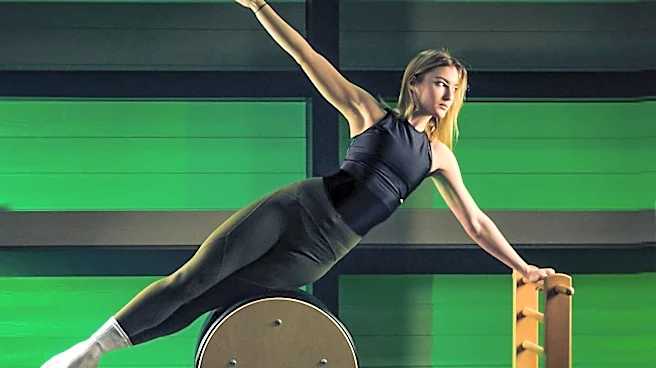
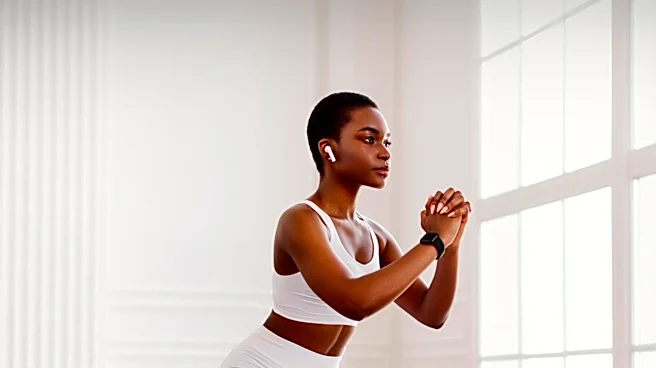
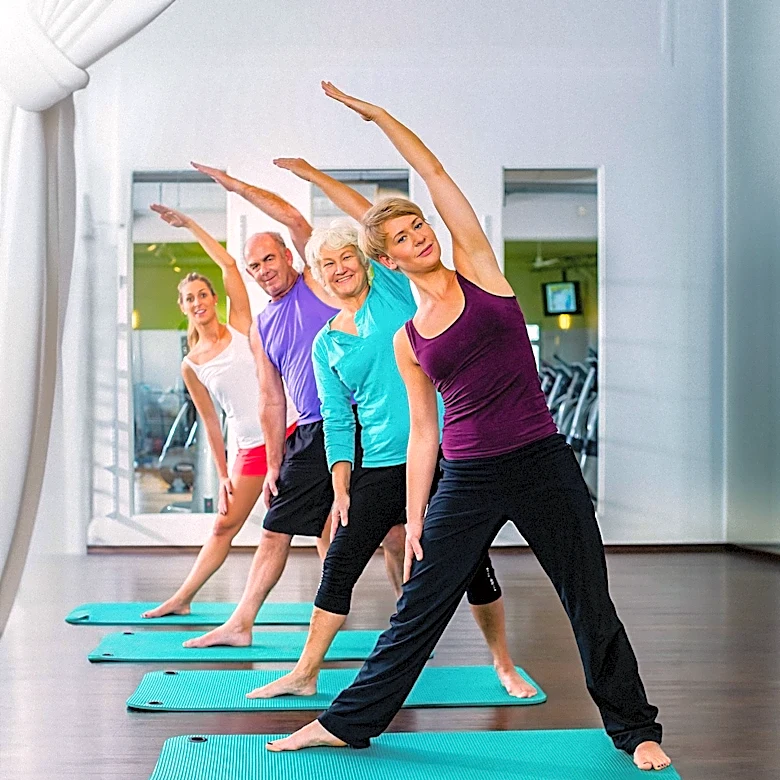
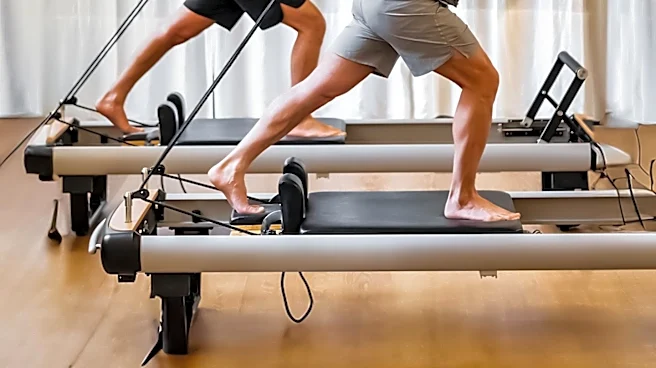
Prenatal workout programs are increasingly focusing on easy-to-follow strength, Pilates-inspired, and mobility exercises designed to prepare expectant mothers for childbirth. These programs, typically ranging from 5 to 30 minutes, are suitable for home
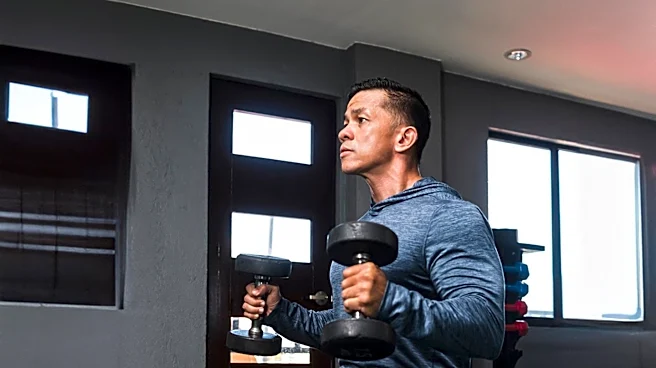
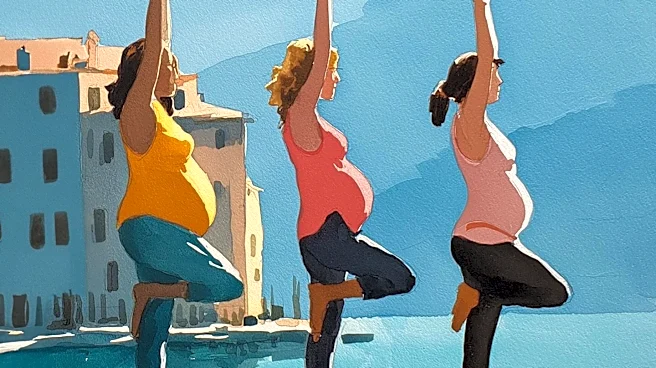
or gym environments and often require no equipment, though light dumbbells or resistance bands can be optional. The core emphasis of these workouts is on strengthening the core and pelvic floor, enhancing overall strength, and building confidence in movement during pregnancy. Common safe exercises include walking, swimming, prenatal yoga, and low-impact aerobics. Medical professionals advise pregnant individuals to consult their doctor before starting any new exercise regimen to ensure safety and suitability.
Why It's Important?
The focus on core and pelvic floor health in prenatal workouts is crucial for several reasons. A strong pelvic floor can significantly aid in labor and delivery, potentially reducing the risk of complications and improving postpartum recovery. By maintaining strength and mobility, expectant mothers can better manage the physical demands of pregnancy, alleviate common discomforts like back pain, and sustain a healthier lifestyle. This approach empowers women by providing them with tools to actively participate in their physical well-being throughout pregnancy, fostering a sense of control and preparedness. The medical recommendation to consult a doctor underscores the importance of personalized care, ensuring that exercise routines are tailored to individual health conditions and pregnancy stages, thereby minimizing risks and maximizing benefits for both mother and baby.
What's Next?
The trend towards specialized prenatal fitness is likely to continue expanding, with more fitness professionals and healthcare providers integrating these targeted workouts into their offerings. Expect to see an increase in online platforms and local community programs providing structured prenatal exercise classes, potentially incorporating more diverse modalities like water aerobics or specialized dance. Further research may also emerge, providing more evidence-based guidelines for specific exercises and their impact on pregnancy outcomes. Healthcare providers will likely continue to emphasize the importance of individualized exercise plans, potentially leading to more integrated care models where obstetricians and physical therapists collaborate closely on prenatal fitness recommendations. The focus will remain on safe, effective, and accessible options for expectant mothers.
Beyond the Headlines
Beyond the immediate physical benefits, the emphasis on prenatal workouts, particularly those focusing on core and pelvic floor health, reflects a broader cultural shift towards empowering women in their pregnancy journey. It moves beyond traditional advice of 'taking it easy' to promoting active participation in maintaining physical and mental well-being. This approach can foster a more positive body image during pregnancy and reduce anxiety about childbirth by building physical resilience. Ethically, it highlights the importance of informed consent and personalized medical advice, ensuring that women make safe choices for their bodies. Long-term, this could lead to a generation of mothers with better postpartum recovery, reduced incidence of pelvic floor dysfunction, and a more holistic understanding of maternal health that extends beyond just the delivery room.