








What's Happening?
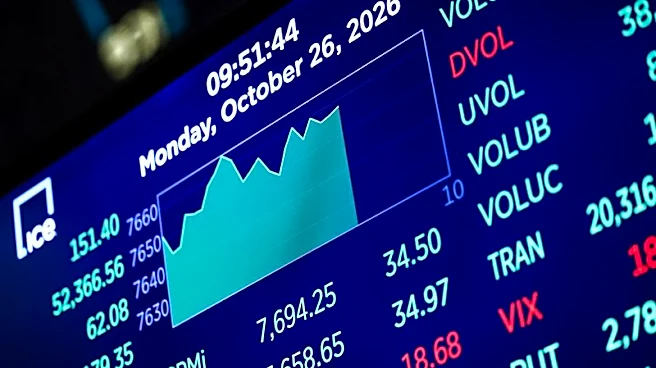
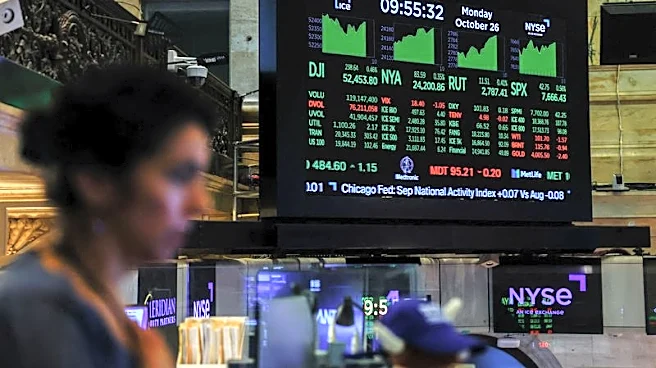
U.S. stock markets closed mixed to start November, with the Nasdaq Composite and Nasdaq 100 indices experiencing declines, while the Dow Industrial Average moved higher. The Nasdaq 100, in particular, fell 1.39% as selling pressure continued across semiconductor
and AI-related shares. Several major technology companies saw their stock prices drop, including Intel, Advanced Micro Devices, Marvell, Astera Labs, Credo Technology, Western Digital, Sandisk, Micron, CoreWeave, Nebius, and Datadog. This widespread selling affected various parts of the technology ecosystem, from optical communications and data-center connectivity to processors, memory, storage, and AI cloud infrastructure. Despite this, Amazon and Tesla provided some strength, moving against the general downward trend in the tech sector. The session began with optimism for a recovery after a challenging October for technology stocks, partly due to lower oil prices, but this relief was insufficient to sustain broader market gains.
Why It's Important?
The divergent performance of U.S. stock indices highlights a significant shift in investor sentiment, particularly concerning the technology sector and AI-related investments. The substantial decline in semiconductor and AI stocks, including major players like Intel and Advanced Micro Devices, indicates growing concerns about the sustainability and profitability of current AI spending. This trend suggests that investors are scrutinizing the massive capital expenditures in AI and questioning whether these investments will yield the expected returns. The relative strength of the Dow Industrial Average, which includes more traditional industrial stocks, points to a rotation of capital away from high-growth tech into other sectors. This could impact the funding landscape for tech companies, especially those in the pre-revenue stage that rely heavily on equity financing. The market's reaction also underscores the interconnectedness of the AI ecosystem, where weakness in one area, such as chip manufacturing, can ripple across the entire supply chain.
What's Next?
Investors are now looking ahead to upcoming catalysts, including earnings reports from major tech companies like Apple and Palantir, and the U.S. midterm elections. These events are expected to provide fresh insights into the direction of the technology sector and the broader market. The continued pressure on AI and chip stocks suggests that the market will closely monitor future earnings calls for indications of profitability and return on investment from AI initiatives. Any further disappointing results or increased concerns about AI spending could exacerbate the current downturn in tech stocks. Conversely, strong earnings or positive outlooks could help the sector regain its footing. The outcome of the midterm elections could also influence market sentiment, depending on how it is perceived to affect economic policies and regulatory environments relevant to the tech industry.
Beyond the Headlines
The current market dynamics reveal a deeper re-evaluation of the AI investment landscape. While AI is widely acknowledged as a transformative technology, the recent sell-off indicates that investors are becoming more discerning about the financial viability and immediate returns of AI-related ventures. This shift could lead to a more disciplined approach to capital allocation within the tech industry, potentially favoring companies with clearer paths to profitability and sustainable business models over those with speculative growth prospects. The interconnectedness of the AI supply chain also means that financial stress in one segment, such as data center infrastructure, can have cascading effects. This period of adjustment might prompt a broader re-assessment of valuation metrics for tech companies, moving away from purely growth-driven valuations towards those that emphasize tangible earnings and cash flow. The market's current behavior suggests a maturation of the AI investment cycle, where initial enthusiasm is now being tempered by a demand for concrete financial performance.