




What's Happening?
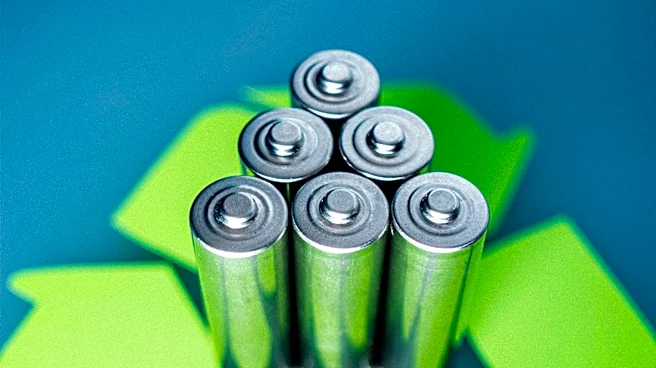
Redwood Materials, a battery recycling startup founded by Tesla cofounder JB Straubel, is expanding its operations into energy storage by repurposing old electric vehicle (EV) batteries. Initially focused on extracting valuable metals and minerals from
retired EV batteries, the company is now utilizing these batteries to power large electricity storage systems for AI data centers, factories, and other facilities. According to Colin Campbell, Chief Technology Officer of Redwood Materials, this new energy storage business could potentially surpass the company's original recycling operations in scale. The expansion, known as Redwood Energy, emerged from the observation that many old EV batteries still retain substantial electricity storage capacity, making them suitable for a second life rather than immediate recycling. Redwood has already deployed a significant battery installation for AI infrastructure company Crusoe in Nevada and has attracted billions in funding, including investments from Google and Nvidia.
Why It's Important?
This strategic shift by Redwood Materials is significant for several reasons. Firstly, it addresses the growing energy demands of AI data centers, which consume vast amounts of electricity. By providing large-scale energy storage solutions using repurposed EV batteries, Redwood Materials offers a more sustainable and potentially faster alternative to connecting new facilities to the traditional power grid, a process that can take years. Secondly, it creates a circular economy model for EV batteries, extending their useful life and reducing waste. This approach not only offers environmental benefits but also provides a cost-effective energy solution for industries. The involvement of major tech investors like Google and Nvidia underscores the perceived value and potential of this innovative approach to energy management and sustainability within the rapidly expanding AI sector.
What's Next?
Redwood Materials is currently scaling up production of its energy storage systems and developing additional technology to make power installations more cost-effective and quicker to build. The company has engineered a 'Pack Manager' device, described as a 'universal translator,' which allows batteries from various EV manufacturers with different electrical characteristics and software to function cohesively within a single storage system. While AI data centers are a primary customer, Redwood's storage systems are designed to serve a diverse range of industries, suggesting resilience even if the current AI boom were to subside. The company's focus on finding patient investors who understand the long-term nature of building complex industrial businesses indicates a sustained commitment to this new venture.
Beyond the Headlines
The expansion of Redwood Materials into energy storage highlights a broader trend towards resource optimization and circular economy principles in the technology and automotive sectors. The concept of giving EV batteries a 'second life' before full recycling not only mitigates environmental impact but also unlocks new economic value from existing resources. This approach could set a precedent for other industries grappling with end-of-life product management and energy efficiency. Furthermore, the development of technologies like the 'Pack Manager' addresses the interoperability challenges inherent in integrating diverse battery types, paving the way for more flexible and adaptable energy storage solutions. This innovation could foster greater collaboration and standardization across the battery and energy sectors, ultimately contributing to a more sustainable and resilient energy infrastructure.