
What's Happening?
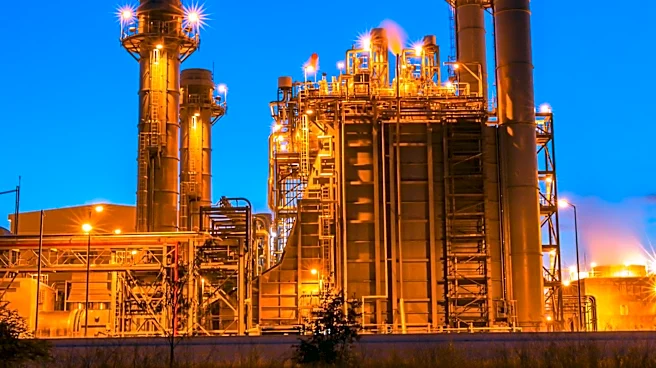
Vistra, an energy company, completed its acquisition of Cogentrix on October 30, adding 10 natural gas plants with approximately 5,500 megawatts of capacity to its portfolio. The net price for this acquisition was
stated to be around $4 billion. This move aligns with Vistra's core strategy of owning and operating dispatchable generation assets. Following this acquisition, Vistra now owns about 50,000 megawatts of capacity, which includes approximately 25,000 megawatts from modern combined cycle gas plants. This expansion marks a notable shift in the company's emphasis, as management previously highlighted zero-carbon revenue streams and contracted solar and battery projects in early 2025. The focus has now moved towards flexible gas plants that can operate more frequently to meet growing demand, particularly within the Texas grid, ERCOT, where power demand is projected to increase by 4% to 6% annually through 2030.
Why It's Important?
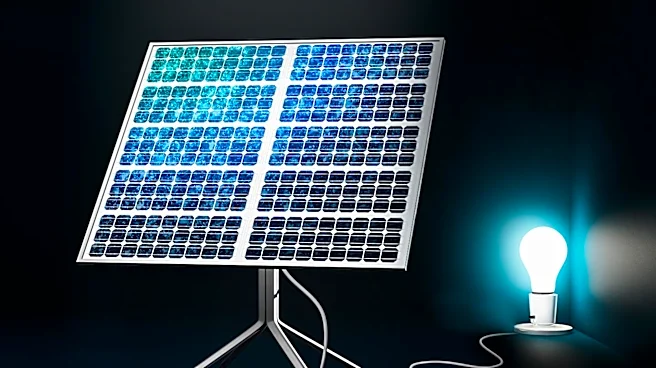
This strategic shift by Vistra has significant implications for the U.S. energy market, particularly in regions like Texas. By prioritizing natural gas plants, Vistra is betting on the continued relevance and profitability of dispatchable generation assets, which can be brought online quickly to meet fluctuating power demands. This could lead to increased stability in power supply, especially during peak consumption periods or when renewable sources are less productive. However, it also suggests a potential slowdown in the company's previously stated commitment to expanding its zero-carbon footprint, which could draw scrutiny from environmental advocates and investors focused on sustainable energy. The emphasis on free cash flow per share and the ability of power plants to run whenever needed indicates a focus on immediate operational efficiency and profitability, potentially at the expense of long-term renewable energy development. This could influence other energy companies' investment strategies, potentially leading to a re-evaluation of the balance between traditional and renewable energy sources in their portfolios.
What's Next?
Vistra's continued focus on natural gas assets suggests that the company will likely prioritize optimizing the performance and profitability of its expanded gas fleet. This could involve further investments in infrastructure to support these plants and potentially exploring additional acquisitions of similar dispatchable assets. The company's management will likely continue to emphasize metrics such as free cash flow per share and the operational flexibility of its gas plants in future investor calls. The market will be watching to see how this strategy impacts Vistra's financial performance and stock value, especially given its recent stock performance, which saw a 30.3% loss over the past year. Furthermore, the shift away from emphasizing zero-carbon projects could lead to questions from stakeholders regarding Vistra's long-term environmental strategy and its role in the broader energy transition. The company's ability to meet the projected 4% to 6% annual growth in power demand in the ERCOT grid will be a key indicator of the success of this strategy.
Beyond the Headlines
Vistra's strategic pivot highlights a broader tension within the U.S. energy sector between the immediate demands for reliable, dispatchable power and the long-term imperative for decarbonization. While natural gas is a cleaner-burning fossil fuel than coal, its continued expansion raises questions about the pace of transition to fully renewable energy sources. This move could signal a pragmatic acknowledgment by some energy providers that a complete and rapid shift to renewables faces significant challenges, including intermittency and grid stability issues, which dispatchable gas plants can currently address. The ethical implications revolve around balancing energy security and affordability with environmental responsibility. Legally, this could influence future regulatory frameworks, potentially leading to debates about incentives for different energy sources. Culturally, it reflects an ongoing societal discussion about the most effective and sustainable path to meet growing energy needs while mitigating climate change, suggesting that the energy transition may be more complex and incremental than often portrayed.