








What's Happening?
REGENT Craft has successfully raised $240 million in a Series B financing round, bringing its total equity and debt funding to $340 million. This significant investment is earmarked to facilitate the company's transition from prototype development to full-scale
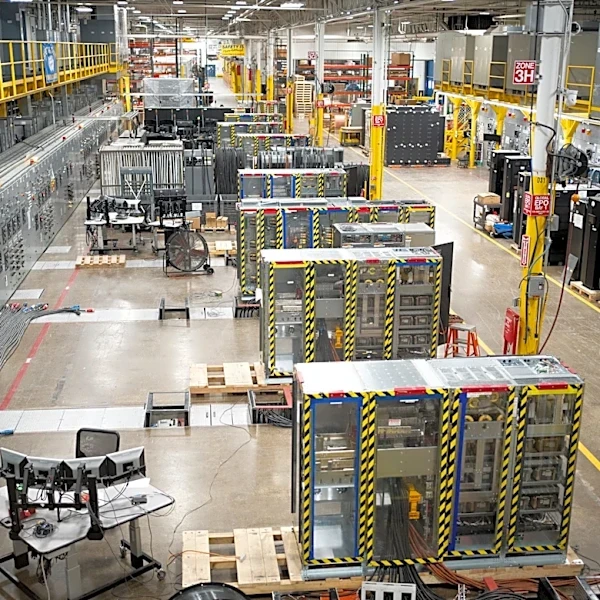
manufacturing of its Seaglider aircraft-like vessels. The company is preparing for the first human flight of its Viceroy prototype and is set to commence manufacturing operations at its newly completed 255,000-square-foot facility in Rhode Island. The funding will support manufacturing across its Viceroy and Squire Seaglider platforms, as well as certification and customer deliveries. The round was co-led by Mare Liberum and AE Ventures, with Erebor Bank providing debt capital. REGENT's defense business is also expanding, with an enlarged U.S. Marine Corps contract for the Viceroy and growing interest in the autonomous Squire. The company's commercial order book now spans six continents, securing multiple years of manufacturing capacity.
Why It's Important?
This substantial investment and the move to full-scale manufacturing mark a critical inflection point for REGENT and the broader U.S. transportation and defense sectors. The development of Seagliders, which combine aviation-style flight with maritime operations, introduces a novel mode of transport designed to move above water. This innovation could significantly impact coastal travel, offering a potentially faster and more efficient alternative to traditional maritime vessels. For the U.S. defense industry, the expanded U.S. Marine Corps contract for the Viceroy and interest in the autonomous Squire suggest a growing recognition of Seaglider technology's strategic value, potentially enhancing naval capabilities and logistics. The establishment of a large manufacturing facility in Rhode Island will also create jobs and stimulate economic activity in the region, contributing to the growth of advanced manufacturing in the U.S. The commercial order book spanning six continents indicates a strong global demand, positioning REGENT as a key player in an emerging transportation market.
What's Next?
REGENT is poised to begin human flight testing of its Viceroy prototype, a crucial step towards commercial and defense deployment. Following successful testing, the company will focus on ramping up production at its new Rhode Island manufacturing facility to fulfill its growing order book. The company will also pursue certification for its Seaglider platforms, which is essential for widespread adoption and commercial operation. Further expansion of its defense business is anticipated, driven by the enlarged U.S. Marine Corps contract and continued interest in autonomous variants. The long-term goal is to establish Seagliders as a practical and widely used method for coastal travel globally. The company will need to navigate regulatory frameworks for this new class of vehicle, which combines elements of both aviation and maritime operations.
Beyond the Headlines
The emergence of Seaglider technology could trigger a re-evaluation of coastal infrastructure and transportation networks. As these vessels operate above the water, they may offer environmental benefits compared to traditional ships by reducing wake and potentially consuming less energy. However, the long-term environmental impact and regulatory challenges associated with a new class of vehicle operating in both air and sea environments will need careful consideration. The dual-use nature of Seagliders, serving both commercial and defense purposes, highlights the convergence of civilian innovation and military application, potentially leading to accelerated technological advancements. The success of REGENT could also inspire further investment and innovation in hybrid transportation solutions, pushing the boundaries of how people and goods move across water bodies and potentially influencing urban planning in coastal areas.