








What's Happening?
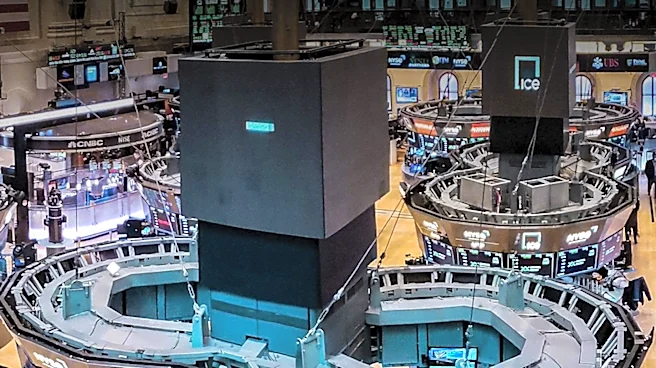
Gunnison Copper Corp., an American copper company based in Phoenix, Arizona, has announced that its American Depositary Receipts (ADRs) have commenced trading on the NYSE American under the ticker symbol 'GUNN'. This move is described as a significant
milestone for the company's growth and capital markets development, aiming to bring its story directly to the U.S. investment community. The listing does not involve a new offering of securities or the issuance of additional common shares. Gunnison Copper is ramping up production at its Johnson Camp Mine and advancing its flagship Gunnison Copper Project, both located in Arizona. The company produces finished copper cathode on-site, eliminating the need for overseas smelting or refining. This development aligns with increasing U.S. government focus on securing domestic critical mineral production and reducing reliance on foreign supply chains. U.S. Secretary of the Interior Doug Burgum and Congressman Juan Ciscomani recently visited the Johnson Camp Mine, highlighting the strategic importance of American copper production for national security and industrial competitiveness.
Why It's Important?
The NYSE American listing for Gunnison Copper is significant for several reasons, primarily its alignment with U.S. national security and economic priorities. By trading on a major U.S. exchange, Gunnison Copper gains broader access to American institutional and retail investors, potentially strengthening its capital base. This is crucial at a time when the U.S. government is emphasizing the need for secure domestic critical mineral production to reduce reliance on foreign supply chains. Copper is vital for advanced manufacturing, defense readiness, and the nation's industrial future. Gunnison's ability to produce finished copper cathode on-site contributes directly to this goal, mitigating supply chain vulnerabilities. The company's operations in Arizona also support local economies and job creation within the U.S. The visit by high-ranking government officials underscores the strategic importance placed on domestic copper production, signaling potential future support or policy initiatives that could benefit U.S.-based mineral producers.
What's Next?
Gunnison Copper plans to continue ramping up production at its Johnson Camp Mine and advance its flagship Gunnison Copper Project. The company's Preliminary Economic Assessment for the Gunnison Project outlines substantial potential for annual copper production over a 21-year mine life, indicating significant long-term growth. The NYSE American listing is expected to facilitate further investment, which could accelerate these development plans. As the U.S. government continues to prioritize domestic critical mineral supply chains, Gunnison Copper may find itself in a favorable position for potential partnerships, grants, or policy support aimed at bolstering American production. The company's focus on on-site processing also positions it well within the broader national strategy to enhance self-sufficiency in key industrial materials. Future developments will likely involve continued engagement with U.S. policymakers and the investment community to capitalize on the growing demand for American-made copper.
Beyond the Headlines
The listing of Gunnison Copper on the NYSE American and its emphasis on domestic production highlight a broader shift in U.S. industrial policy towards reshoring and securing critical supply chains. This move reflects a growing recognition that economic security is intrinsically linked to national security, particularly concerning essential raw materials like copper. The ethical implications revolve around responsible mining practices and environmental stewardship, as increased domestic production must balance economic benefits with ecological impact. Legally, this trend could lead to new regulations or incentives designed to encourage U.S. mineral extraction and processing. Culturally, it signifies a renewed focus on American industrial self-reliance, potentially fostering a sense of national pride in domestically sourced materials. This development could also trigger long-term shifts in global trade dynamics, as the U.S. seeks to reduce its dependence on foreign suppliers for strategic resources, potentially influencing international commodity markets and geopolitical relationships.