



What's Happening?
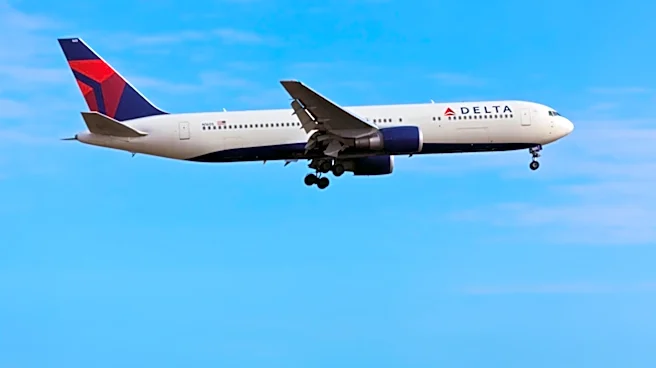
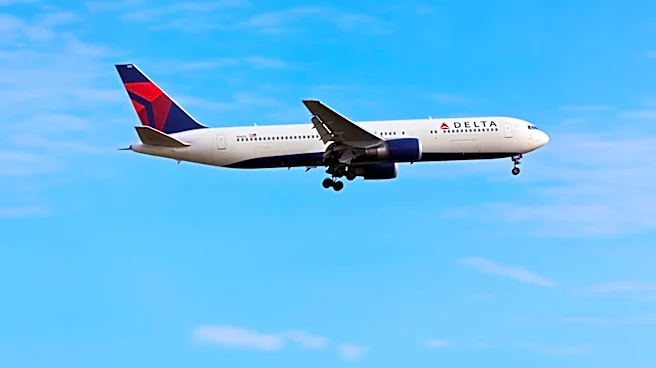
Delta Air Lines achieved the best on-time performance among major U.S. airlines in August, with 77.0% of its flights arriving within 15 minutes of their scheduled time. This data comes from the Department of Transportation’s latest Air Travel Consumer
Report, updated on October 23. In contrast, JetBlue recorded the worst on-time performance, with only 59.7% of its flights arriving punctually. JetBlue also had the highest cancellation rate among the eight marketing carriers ranked by the DOT, canceling 6.2% of its scheduled flights. Across all reporting airlines in August, 71.5% of flights were on time, and 2.0% were canceled. While Delta led in punctuality, its cancellation rate was 2.0%, which was not the lowest; Allegiant had the fewest cancellations at 0.4%. The primary cause of delays in August was late-arriving aircraft, accounting for 10.16% of all flights, followed by national aviation system delays (7.45%) and airline-caused delays (7.29%).
Why It's Important?
These performance metrics are crucial for travelers planning their trips, especially during busy holiday seasons like Thanksgiving and December. An airline's on-time performance and cancellation rates directly impact passenger experience, travel reliability, and overall satisfaction. Delta's leading position in punctuality can enhance its reputation and attract more customers seeking dependable travel. Conversely, JetBlue's low ranking in both on-time arrivals and high cancellations could deter potential passengers and lead to increased customer dissatisfaction. The prevalence of late-arriving aircraft as the leading cause of delays highlights a systemic issue within the aviation industry, where initial delays can ripple throughout the day, affecting subsequent flights. This data provides consumers with valuable information to make informed decisions when choosing an airline, potentially influencing market share and competitive strategies among carriers. It also underscores the operational challenges airlines face in maintaining schedules amidst various internal and external factors.
What's Next?
Airlines will likely analyze these performance reports to identify areas for operational improvement. Carriers with lower on-time rates, such as JetBlue, may implement strategies to enhance their punctuality and reduce cancellations, potentially involving better crew scheduling, aircraft maintenance, or buffer times between flights. Travelers, armed with this data, may prioritize airlines with better performance records, especially for time-sensitive journeys. The Department of Transportation will continue to monitor and report these metrics, providing ongoing transparency into airline operations. As the holiday travel season approaches, airlines will be under increased scrutiny to maintain reliable schedules, and their performance in August could influence consumer booking patterns for the coming months. Passengers are advised to consider these statistics, particularly for early morning flights which tend to have better on-time rates, and to allow for longer connection times.
Beyond the Headlines
The consistent reporting of airline performance data by the Department of Transportation serves as a vital mechanism for consumer protection and industry accountability. Beyond simply ranking airlines, these reports shed light on the underlying operational complexities of air travel. The significant impact of 'late-arriving aircraft' as a delay cause points to the interconnectedness of flight schedules and the cascading effect of even minor disruptions. This suggests that improving on-time performance requires a holistic approach, addressing not just individual flight issues but the entire operational chain. Furthermore, the data can influence regulatory discussions regarding passenger rights and compensation for delays and cancellations. For airlines, maintaining a strong operational record is not just about customer satisfaction but also about managing costs associated with delays, rebookings, and potential compensation claims, making operational efficiency a critical component of their business strategy and brand image.