





What's Happening?
Non-carbonated beverages, including sports drinks, plain water, and certain wines and beers, are characterized by the absence of fizz or bubbles. These drinks can still experience quality changes over time, such as flavor dilution or odor absorption,
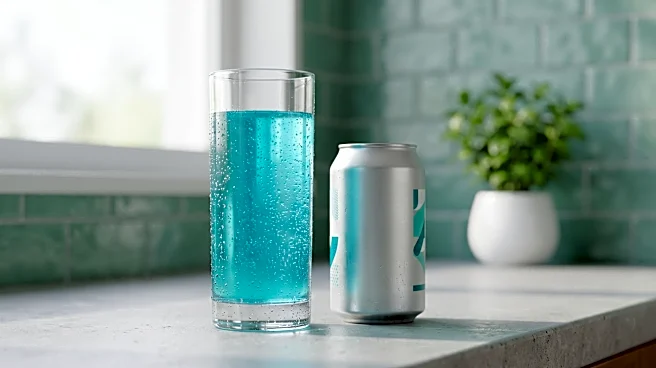
depending on storage conditions. For canned non-carbonated beverages, specifying and verifying vacuum conditions during the seaming process is crucial. This involves defining the pressure and timing within the vacuum chamber during operation and measuring the vacuum inside sealed cans after processing and cooling. The process requires careful consideration of the product, packing liquid, fill temperature, fill quantity, and approved headspace. Products with particles, entrained air, or foam necessitate representative trials, as a water-only demonstration may not accurately reflect production performance. The can-and-end supplier's limits for pressure and processing conditions must also be confirmed. Unlike carbonated beverages, which are designed for internal pressure, non-carbonated drinks require a different application review for vacuum targets.
Why It's Important?
The proper handling and packaging of non-carbonated beverages are vital for maintaining product quality and ensuring consumer satisfaction. Inadequate vacuum conditions during canning can lead to issues such as flavor degradation, product spoilage, and reduced shelf life, impacting both manufacturers and consumers. For businesses in the beverage industry, understanding and implementing precise vacuum seaming protocols is essential for quality control and regulatory compliance. The distinction between carbonated and non-carbonated beverage packaging requirements highlights the need for tailored manufacturing processes. Failure to account for these differences can result in significant financial losses due to product recalls or customer complaints. Furthermore, the potential for flavor changes and odor pickup in non-carbonated drinks underscores the importance of proper storage and handling throughout the supply chain, affecting retailers and end-users alike.
What's Next?
Manufacturers of non-carbonated beverages will continue to refine their vacuum can seaming processes to optimize product quality and shelf stability. This includes ongoing collaboration with equipment suppliers to ensure that vacuum conditions meet specific product and package requirements. Future developments may involve more advanced sensor technologies for real-time monitoring of vacuum levels during production and improved methods for verifying internal can vacuum post-sealing. The industry will likely see a continued emphasis on comprehensive product and package test matrices, including defined operating ranges and conditions that trigger new trials. Additionally, there will be an ongoing focus on training and education for production staff to ensure adherence to best practices in vacuum seaming and quality control for non-carbonated beverages.
Beyond the Headlines
The meticulous attention to detail in vacuum can seaming for non-carbonated beverages reflects broader trends in food and beverage safety and quality assurance. This technical aspect of packaging is not merely about preserving taste but also about preventing microbial growth and ensuring the integrity of the product for consumption. The emphasis on precise measurements and verification processes highlights the scientific and engineering rigor applied in modern food production. This level of control contributes to consumer trust in packaged goods and supports public health by minimizing risks associated with contaminated or spoiled products. The continuous evolution of these processes also demonstrates the industry's commitment to innovation and adapting to diverse product characteristics, ensuring that even seemingly simple products like plain water receive sophisticated treatment to maintain their quality.