





What's Happening?
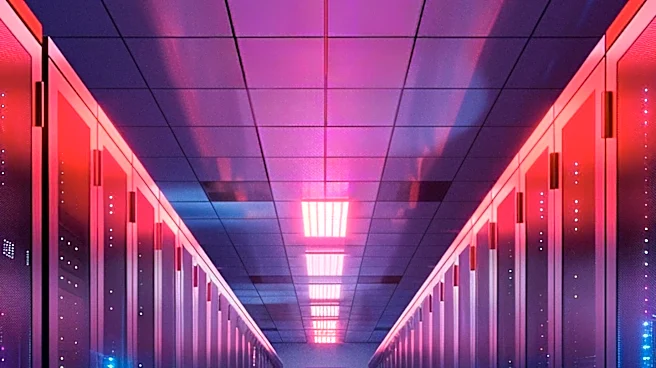
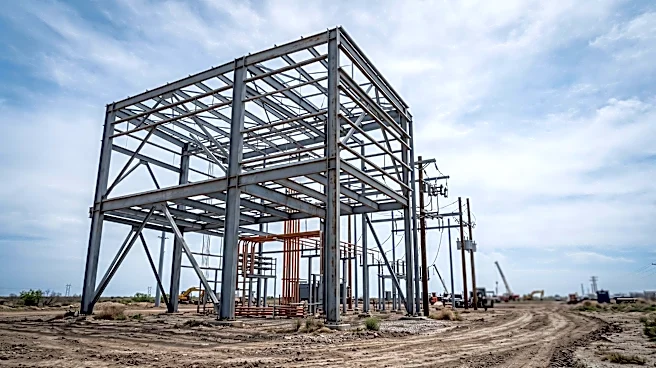
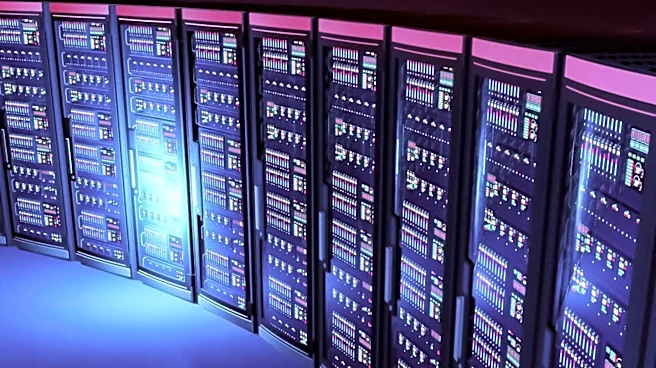
South Korea's data center market is on the cusp of a significant expansion, with an existing capacity of approximately 981 MW. Upcoming facilities are projected to add more than 6.9 GW of power capacity between 2026 and 2031. Major telecommunications
providers, including LG Uplus, KT Cloud, and SK broadband, currently dominate the market, collectively accounting for nearly half of the country's total IT load, approximately 480 MW. The Seoul Metropolitan Area is leading this development pipeline, with Gyeonggi Province and Incheon emerging as key destinations for planned data center investments. This expansion is driven by increasing cloud adoption, the growing demand for artificial intelligence workloads, enterprise digitalization efforts, and the rising need for colocation infrastructure. The market analysis includes detailed profiles of 62 existing data centers and 49 upcoming facilities, offering insights into white-floor space, current IT load capacity, and planned additions.
Why It's Important?
This massive expansion in South Korea's data center capacity signifies a critical development for the digital infrastructure sector. The projected 6.9 GW addition represents a substantial increase, indicating robust growth in demand for data storage, processing, and connectivity. This surge is vital for supporting the country's digital economy, enabling advanced technologies like AI and cloud computing, and facilitating enterprise digitalization. The concentration of development in the Seoul Metropolitan Area, Gyeonggi Province, and Incheon highlights these regions as burgeoning hubs for digital innovation and investment. The involvement of major telecom operators underscores their strategic role in shaping the digital landscape. This growth will attract significant investment, create job opportunities in construction and technology, and enhance South Korea's position as a key player in the global digital infrastructure market. It also presents opportunities for data center REITs, construction contractors, infrastructure providers, and new market entrants.
What's Next?
The South Korean data center market is expected to undergo a rapid transformation with the influx of new capacity. The focus will be on the successful deployment and operationalization of the 49 upcoming facilities. This expansion will likely lead to increased competition among colocation providers, potentially influencing pricing structures for retail and wholesale colocation services. The report provides retail colocation pricing for various rack configurations and wholesale pricing on a per kW basis, which will be crucial for competitive benchmarking and strategic decision-making. Stakeholders, including investors, operators, and infrastructure providers, will need to closely monitor market trends, regulatory developments, and technological advancements to capitalize on these opportunities. The continued growth in cloud adoption, AI workloads, and enterprise digitalization will sustain the demand for these new data centers, ensuring a dynamic and evolving market landscape.
Beyond the Headlines
The rapid growth of South Korea's data center market has broader implications beyond immediate economic gains. The substantial increase in power capacity required for these facilities raises concerns about energy consumption and environmental impact. As data centers are energy-intensive, there will be a growing need for sustainable energy solutions and efficient cooling technologies to mitigate their carbon footprint. Furthermore, the concentration of data centers in specific metropolitan areas could lead to increased demand for land and infrastructure, potentially impacting urban planning and resource allocation. The reliance on major telecom operators for a significant portion of the IT load also highlights potential vulnerabilities related to network resilience and data security. Addressing these challenges will require strategic planning, investment in renewable energy, and robust cybersecurity measures to ensure the long-term sustainability and security of South Korea's digital infrastructure.