




What's Happening?
EcomFlux has introduced a new e-commerce command center designed to streamline multi-channel sales, inventory, and fulfillment for businesses. Dubbed the 'Anti-ERP,' this platform aims to replace traditional, cumbersome enterprise resource planning systems
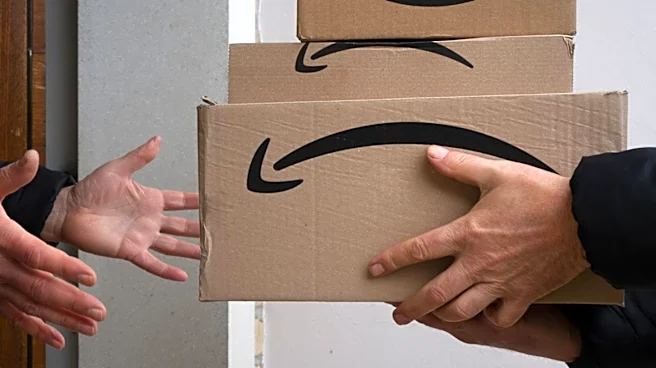
with a high-speed operational engine. It integrates sales data from major platforms like Shopify, Amazon, and Temu into a single 'Orders' view, allowing businesses to manage all their storefront and marketplace orders from one interface. The system also automates label generation for both local and global couriers and ensures cross-channel inventory is perfectly balanced to prevent overselling. EcomFlux emphasizes a frictionless, consumer-grade interface while providing enterprise-grade power, offering features like visual rule builders for automation without requiring coding.
Why It's Important?
This development is significant for U.S. e-commerce businesses, particularly those operating across multiple online sales channels. The unification of order management, inventory synchronization, and fulfillment automation can lead to substantial operational efficiencies. By preventing overselling and automating routine tasks, businesses can reduce costs, improve customer satisfaction through faster and more accurate order processing, and allocate resources more effectively. The platform's 'Anti-ERP' approach suggests a shift towards more agile and user-friendly solutions in e-commerce management, which could benefit small to medium-sized businesses that often struggle with the complexity and cost of traditional ERP systems. The ability to integrate with major platforms like Shopify, Amazon, and Temu directly addresses a common pain point for multi-channel retailers.
What's Next?
EcomFlux is offering a 14-day free trial and full access to all its solutions without requiring a credit card, indicating a push for rapid adoption and user feedback. The company aims to demonstrate its value proposition by allowing businesses to experience the platform's capabilities firsthand. If successful, this could lead to increased market penetration for EcomFlux and potentially influence other e-commerce solution providers to develop similar integrated, user-friendly platforms. The continued growth of multi-channel e-commerce suggests a sustained demand for such tools, and EcomFlux's performance will be closely watched by businesses seeking to optimize their online operations.
Beyond the Headlines
The emergence of platforms like EcomFlux highlights a broader trend in the e-commerce industry: the increasing need for sophisticated yet accessible tools to manage complex online retail operations. As consumers continue to shop across various platforms, businesses are pressured to maintain a seamless and efficient backend. The 'Anti-ERP' concept suggests a move away from monolithic, all-encompassing software solutions towards more modular, specialized, and integrated platforms that prioritize user experience and operational speed. This shift could empower a wider range of businesses to compete effectively in the digital marketplace, fostering innovation and potentially leveling the playing field between large enterprises and smaller, agile online retailers.