





What's Happening?
The U.S. power grid is under strain as electricity demand reaches record levels, driven by the expansion of data centers and the IT industry's growth. The Energy Information Administration projects electricity consumption to hit 4,268 billion kWh this
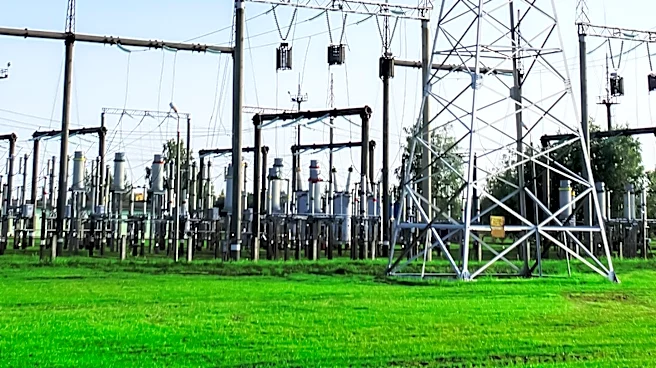
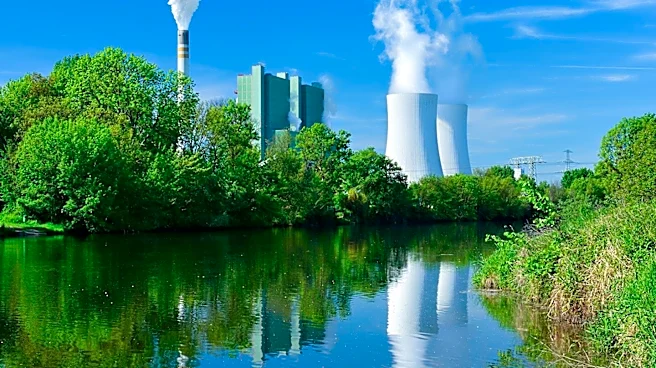
year, with further increases expected. The grid, originally designed for coal and gas power plants, struggles to accommodate the new demand from renewable energy sources like wind and solar, which are not always located near demand centers. The need for new transmission lines and transformers is critical, but a shortage of these components poses a significant challenge.
Why It's Important?
The increasing demand for electricity, particularly from data centers and the tech industry, highlights the urgent need for grid modernization. The current infrastructure is inadequate to support the transition to renewable energy and the growing energy needs of emerging technologies like artificial intelligence. This situation could lead to potential blackouts and increased electricity costs, affecting both consumers and businesses. The grid's limitations also pose a barrier to achieving decarbonization goals, as the integration of renewable energy sources is hindered by transmission constraints.
What's Next?
Efforts to upgrade the grid will likely focus on expanding transmission capacity and addressing the transformer shortage. Policymakers and industry leaders may need to collaborate on strategies to accelerate infrastructure development and ensure reliable electricity supply. The situation may also prompt regulatory changes to facilitate the integration of renewable energy and support the growing demand from the tech sector. Additionally, there may be increased pressure on tech companies to invest in their own energy solutions to mitigate the impact on the grid.