








What's Happening?
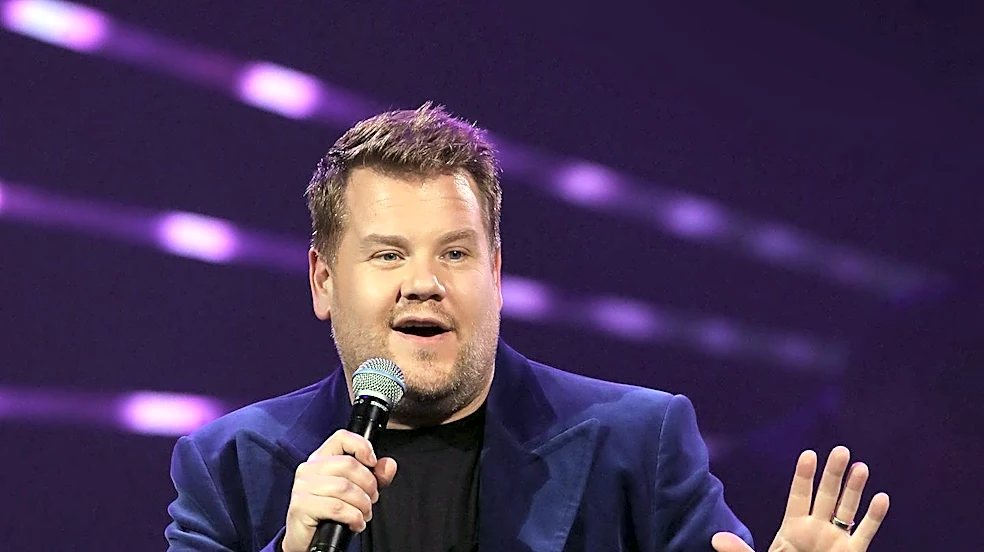
In October 2022, James Corden was publicly banned from Balthazar, an upscale New York City restaurant, by its owner Keith McNally. McNally labeled Corden as 'the most abusive customer' due to two alleged incidents of mistreating staff. The first incident involved
a hair found in Corden's food, and the second concerned an omelette ordered for his wife that was served with fries instead of salad. Following Corden's apology to McNally, the ban was lifted within a day. The incident gained further attention after Corden discussed it in an interview and later addressed it on his show, admitting he had been 'rude' and 'ungracious.' This event highlights a broader trend of celebrities feuding with non-famous individuals or service staff, often amplified by social media.
Why It's Important?
This incident underscores the significant impact of public behavior, particularly from high-profile individuals, on service industry workers and establishments. For restaurants like Balthazar, a public ban of a celebrity, even if temporary, can generate considerable media attention, affecting its public image and potentially its business. For celebrities, such incidents can lead to public backlash, damage to their personal brand, and necessitate public apologies to mitigate negative perceptions. The rapid resolution, with the ban being lifted after an apology, also demonstrates the power of public relations and the potential for quick reconciliation in such disputes. It serves as a reminder of the scrutiny public figures face and the expectations placed upon them regarding their conduct, even in private settings.
What's Next?
While the immediate issue of the ban was resolved, the long-term implications for James Corden's public image and his interactions with service staff remain to be seen. The incident could lead to increased public and media scrutiny of his future conduct in similar settings. For Balthazar and other high-end establishments, this event might reinforce policies regarding customer behavior and staff protection. The broader conversation around celebrity conduct and accountability in the service industry is likely to continue, potentially influencing how other public figures and businesses handle similar situations. The incident also serves as a cautionary tale for celebrities about the pervasive nature of public observation and the rapid dissemination of information in the digital age.
Beyond the Headlines
This event touches upon deeper societal implications concerning power dynamics between celebrities and service workers. It highlights the vulnerability of service staff to mistreatment and the importance of workplace respect. The swift public shaming and subsequent apology also reflect a cultural shift where consumers and the public are increasingly empowered to hold influential figures accountable for their actions, especially when those actions involve perceived arrogance or disrespect. The incident also raises questions about the role of social media in amplifying such disputes and shaping public opinion, demonstrating how a single post from a restaurant owner can quickly become a global news story, influencing perceptions of a celebrity's character.