


What's Happening?
Postbiotics, a lesser-known category of gut-friendly compounds, are gaining attention for their potential health benefits. Unlike probiotics, which are live microbes, and prebiotics, which nourish these microbes, postbiotics are the substances left behind
after microbes break down nutrients. These include short-chain fatty acids, vitamins, and amino acids. Functional-medicine physician Robert Rountree explains that postbiotics can improve gut microbiome diversity and strengthen the gut barrier, potentially reducing inflammation. Despite some debate over the classification of certain molecules as postbiotics, they are increasingly recognized for their role in supporting immune health and digestion.
Why It's Important?
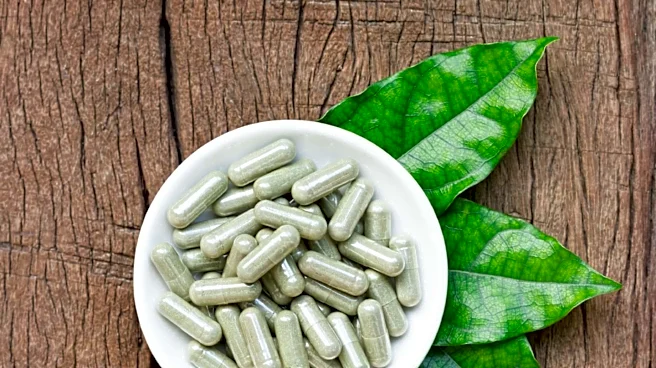
The growing interest in postbiotics highlights a shift in understanding gut health. As they are not live organisms, postbiotics offer a stable, shelf-friendly option for those seeking to improve their gut health without the challenges associated with probiotics, such as refrigeration and sensitivity issues. This could be particularly beneficial for individuals with digestive sensitivities or those who cannot tolerate probiotics. The potential of postbiotics to support immune health and reduce inflammation could have significant implications for managing conditions like irritable bowel syndrome and allergies.
What's Next?
As research into postbiotics continues, their role in health and wellness is likely to expand. Healthcare practitioners may increasingly recommend postbiotic supplements, especially for individuals with specific health concerns. The market for gut health products could see a rise in postbiotic offerings, providing consumers with more options to support their digestive and immune health. Ongoing studies will further clarify the benefits and applications of postbiotics, potentially leading to new dietary guidelines and health recommendations.