









What's Happening?
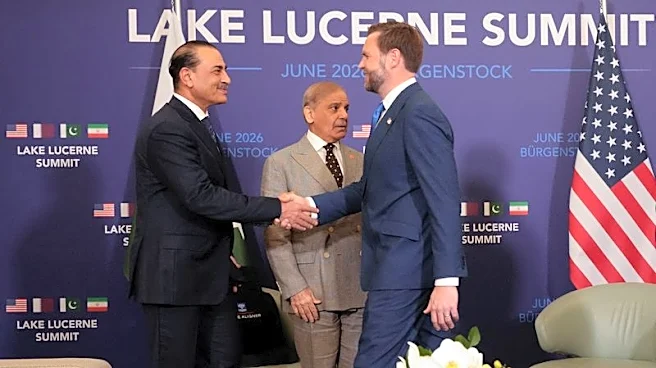
A potential peace deal between the U.S. and Iran, along with the reopening of the Strait of Hormuz, could lead to increased oversupply in the global chemicals industry, according to the Independent Commodity Intelligence Services (ICIS). During the conflict,
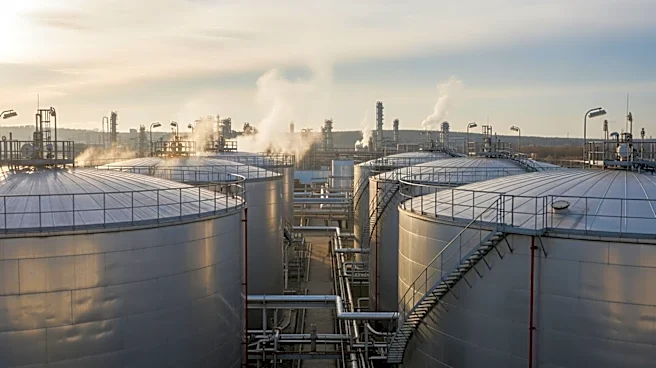
China increased exports to offset production disruptions in the Middle East and Asia. As production normalizes, additional volumes are expected to enter already oversupplied markets. ICIS forecasts that global chemical overcapacity will reach 186 million tonnes in 2026, putting pressure on operating rates, margins, and prices. The peace deal may ease supply concerns, but a return to normal market conditions is expected to take time, with full recovery of petrochemical supply chains anticipated by early next year.
Why It's Important?
The potential peace deal and subsequent oversupply in the chemicals market could have significant implications for the global economy. Increased supply is likely to drive down chemical prices, affecting profitability for producers and potentially leading to delayed purchases by buyers anticipating lower costs. This situation could impact U.S. chemical companies, which may face challenges in maintaining margins and competitiveness. Additionally, the prioritization of energy and fertilizers over chemicals in the recovery process could delay the industry's return to normalcy. The developments underscore the interconnectedness of geopolitical events and global supply chains, highlighting the need for strategic planning and adaptability in the chemicals sector.