



What's Happening?
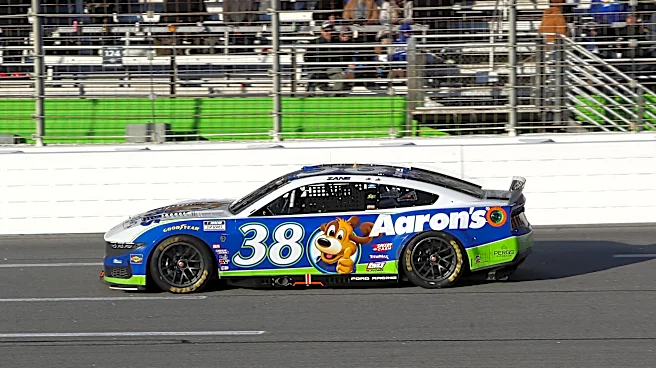
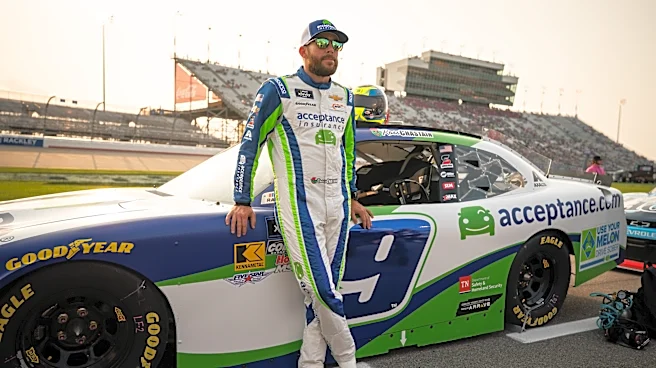
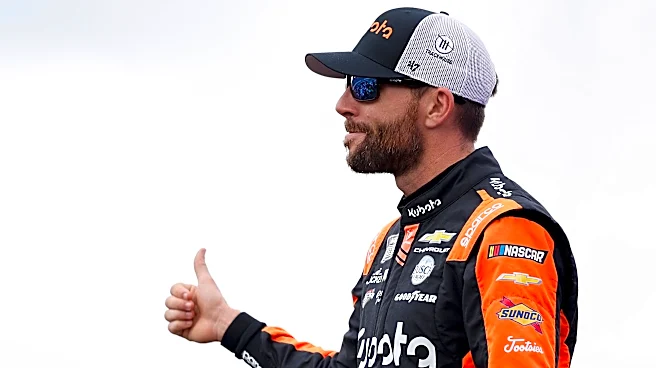
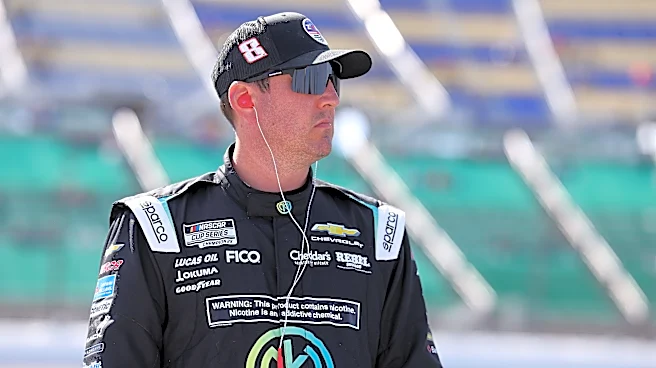
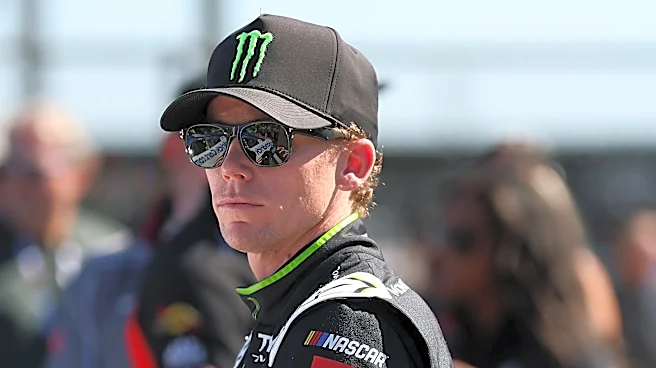
Trackhouse Racing driver Ross Chastain has acknowledged his part in a NASCAR incident at Phoenix Raceway in October that ultimately led to a $50,000 fine for Zane Smith. During his 'Like a Farmer' podcast, Chastain explained that the chain of events began
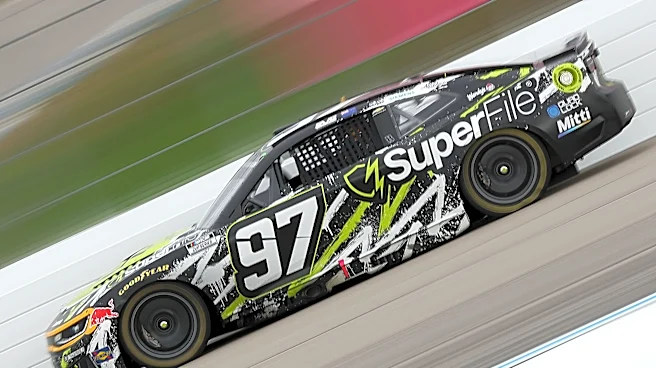
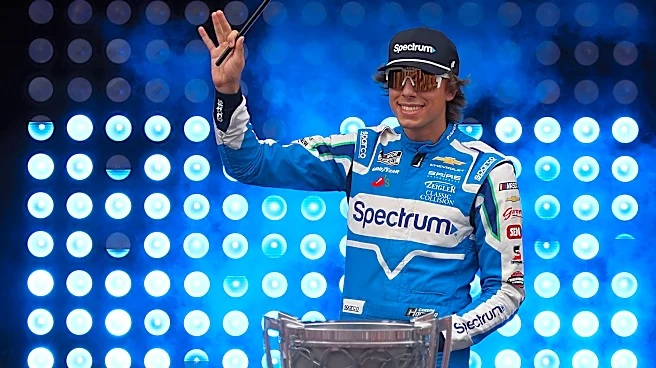
when Carson Hocevar moved across the track coming off Turn 2, leaving Chastain with limited space. Rather than forcing the issue, Chastain lifted off the throttle, a decision he believed would prevent a worse situation. However, this action inadvertently sent Hocevar into Smith's path. Smith then retaliated against Hocevar by hitting his car at over 130 mph during the cooldown lap of the Freeway Insurance 500, which Tyler Reddick won. Chastain noted that some drivers, including Smith, already had previous issues with Hocevar, contributing to the strong reaction.
Why It's Important?
This incident highlights the intense competitive environment within NASCAR and the significant financial and reputational consequences that can arise from on-track actions, even those intended to be preventative. The $50,000 fine imposed on Zane Smith underscores NASCAR's strict stance on retaliatory behavior and maintaining order during and after races. For Trackhouse Racing and Ross Chastain, the admission provides transparency but also draws attention to the team's involvement in a controversial event. The lingering frustration between teams, as evidenced by the confrontation between crew chiefs Ryan Bergenty and Luke Lambert, indicates that such incidents can have broader impacts on team dynamics and relationships within the sport, potentially affecting future race strategies and alliances.
What's Next?
While the immediate penalties have been issued, the long-term implications of this incident could manifest in various ways. NASCAR officials may continue to monitor interactions between the involved drivers and teams more closely in upcoming races to prevent further retaliatory actions. The admission from Ross Chastain might influence how other drivers perceive his on-track decisions, potentially leading to different racing strategies when competing against him. Furthermore, the incident could prompt discussions within NASCAR regarding driver conduct, cooldown lap protocols, and the effectiveness of current penalty structures in deterring aggressive behavior. The ongoing tensions between the teams involved suggest that the fallout from this event may continue to influence their interactions throughout the remainder of the season and into the next.
Beyond the Headlines
The incident at Phoenix Raceway delves deeper than just a racing infraction; it touches upon the unwritten rules and ethical considerations within competitive motorsports. Chastain's decision to lift off the throttle, intended to avoid a collision, inadvertently triggered a more severe reaction from another driver. This raises questions about individual responsibility versus the collective impact of actions in a high-stakes environment. The personal history between drivers and their teams, as highlighted by Chastain's comments about Hocevar's spotter and other drivers' prior run-ins, suggests that racing is not solely about technical skill but also about complex interpersonal dynamics and rivalries. The substantial fine and the crew chief confrontation underscore the passionate and sometimes volatile nature of professional racing, where perceived slights can escalate quickly, affecting not just the drivers but entire organizations.