




What's Happening?
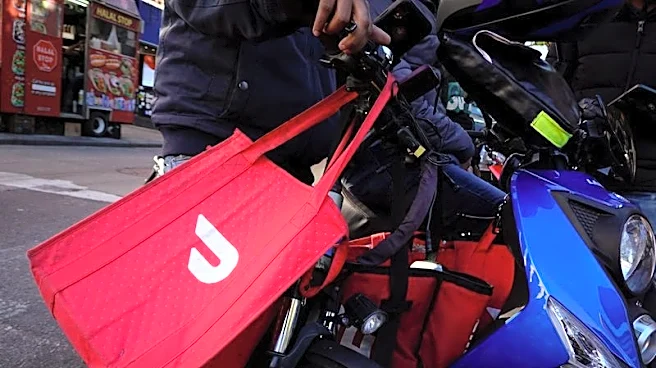
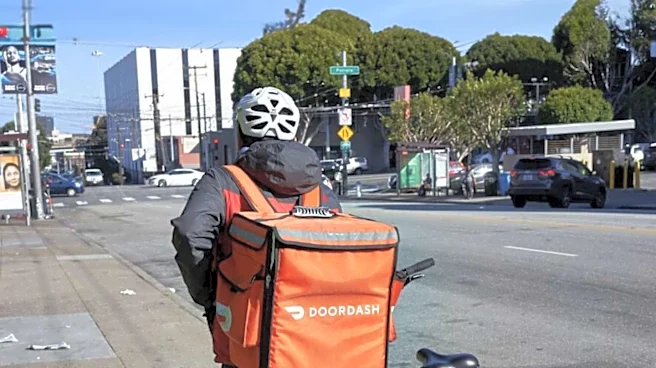
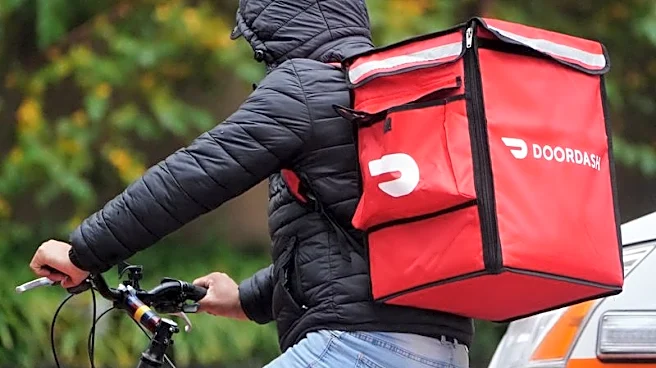
DoorDash, the leading food delivery service in the U.S., has announced its intention to acquire grocery delivery service Instacart in a $17 billion deal. This move follows DoorDash's recent expansion into same-day delivery from all Costco locations across
the U.S. According to DoorDash co-founder and CEO Tony Xu, the acquisition aims to combine Instacart's expertise in grocery fulfillment with DoorDash's established delivery network and technology. Both companies are expected to continue operating as separate platforms under their existing names once the deal is finalized. A key benefit for consumers will be a unified membership fee for subscribers of both DashPass and Instacart Plus, offering perks from both services. The acquisition is not expected to close before late 2027.
Why It's Important?
This acquisition marks a significant consolidation in the U.S. delivery service market, potentially reshaping the landscape of food and grocery delivery. For DoorDash, it represents a substantial expansion into the grocery sector, a market segment that has seen considerable growth and competition. By integrating Instacart's specialized grocery operations, DoorDash aims to enhance its offerings and reach a broader customer base, providing more comprehensive delivery solutions. The deal could also intensify competition with other players in the delivery space, as DoorDash strengthens its position as a dominant force. Consumers might benefit from more streamlined services and potentially more competitive pricing due to increased efficiency, while smaller delivery services could face greater pressure.
What's Next?
The proposed acquisition is subject to regulatory review and is not anticipated to be finalized until late 2027. In the interim, both DoorDash and Instacart will likely continue their independent operations while preparing for the eventual integration. Once the deal closes, the focus will shift to how the companies will leverage their combined resources to optimize delivery logistics, expand service areas, and integrate membership benefits. There may be strategic adjustments in pricing, service offerings, and partnerships with grocery retailers. Competitors in the delivery market will likely monitor the integration closely and may respond with their own strategic moves to maintain or gain market share.
Beyond the Headlines
The merger of DoorDash and Instacart could have long-term implications for the future of retail and consumer behavior. It signifies a growing trend towards on-demand services and the increasing reliance on third-party platforms for everyday needs. This consolidation could lead to greater efficiency in the supply chain for groceries and prepared meals, but it also raises questions about market concentration and potential impacts on local businesses and labor practices within the gig economy. The combined entity will wield significant influence over how consumers access food and groceries, potentially shaping future urban logistics and the competitive dynamics for both traditional retailers and emerging delivery startups.