
What's Happening?
Lainey Wilson is a prominent figure in contemporary country music, recognized for her talent and importance within the genre. However, recent comparisons of Wilson to country music icon Dolly Parton by
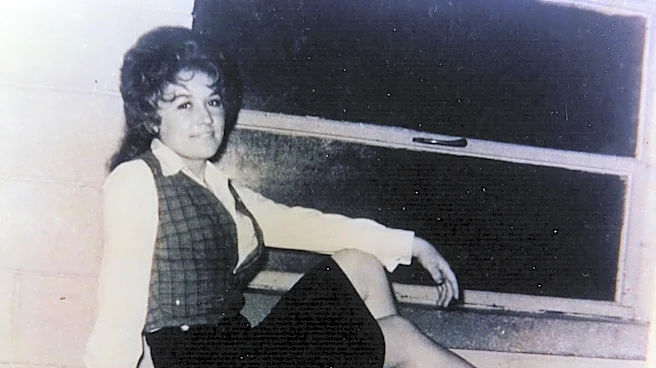
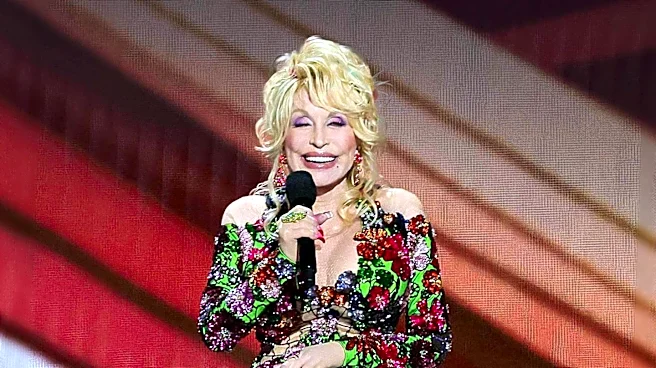
publications like Rolling Stone Country have been met with skepticism and criticism. Some critics argue that such comparisons are 'ludicrous and completely unserious,' pointing to the collaborative songwriting process often seen in modern mainstream country, where artists like Wilson may have multiple songwriters credited on their tracks. This practice is seen by some as a departure from the self-penned, deeply personal songwriting that characterized artists like Parton. Despite these critiques, Wilson's success is undeniable, though her rapid ascent, including an 'Entertainer of the Year' anointing, has generated some resentment. Her team's efforts to brand her as a 'franchise' are perceived by some as prioritizing commercial gain over artistic contribution, drawing a contrast with Parton's legacy of 'giving back.'
Why It's Important?
The debate surrounding Lainey Wilson's status and comparisons to Dolly Parton highlights a significant tension within the U.S. country music industry regarding authenticity, commercialism, and artistic legacy. The criticism that modern artists rely heavily on multiple songwriters touches upon broader concerns about the evolution of songwriting in mainstream music and whether it diminishes an artist's individual creative contribution. This discussion is important for understanding how success is defined and perceived in the current music landscape, where commercial viability and branding often play a crucial role alongside artistic merit. The 'franchise' approach attributed to Wilson's team reflects a business model focused on maximizing an artist's market potential, which can be seen as both a necessary strategy in a competitive industry and a potential detractor from artistic integrity. This dynamic affects how new artists are developed, promoted, and ultimately remembered, influencing the long-term cultural impact of country music.
What's Next?
The ongoing discussion about Lainey Wilson's place in country music and the validity of comparisons to legends like Dolly Parton is likely to continue shaping public and critical perception of her career. As Wilson continues to release new music and perform, her artistic choices, songwriting credits, and public persona will be scrutinized through the lens of these debates. The industry will observe whether her career trajectory leans more towards sustained artistic depth and unique contribution, or if the 'franchise' model will dominate, potentially leading to further discussions about the commercialization of country music. The success of other artists, such as Ella Langley, who are highlighted as having more authentic or impactful songwriting, could also influence how the industry and fans evaluate emerging talent. Ultimately, the long-term impact of these comparisons will depend on Wilson's ability to forge a distinct and enduring legacy that transcends immediate commercial success.
Beyond the Headlines
The conversation around Lainey Wilson and Dolly Parton extends beyond individual artists to touch upon fundamental questions about the nature of artistry and legacy in the modern entertainment industry. It raises ethical considerations about the balance between commercial success and artistic integrity, particularly in genres like country music that often value storytelling and personal connection. The critique of multiple songwriters on a single track prompts a deeper look into the collaborative processes of contemporary music production and how it impacts the perception of an artist's 'ownership' of their work. Culturally, the yearning for a 'next Dolly Parton' reflects a desire for artists who embody not just musical talent, but also universal appeal, humanitarian values, and a unique, irreplaceable presence. This highlights a broader societal longing for figures who transcend mere celebrity to become cultural icons, and the challenges of achieving such status in an increasingly fragmented and commercialized media landscape.