



What's Happening?
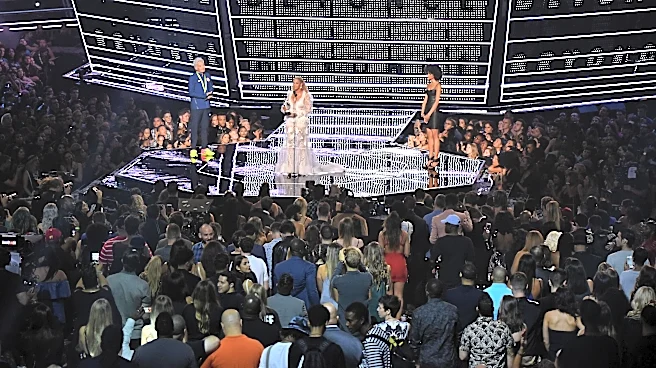
The 2013 MTV Video Music Awards (VMAs) experienced a substantial surge in viewership and digital engagement, marking it as a highly successful event for MTV. The live broadcast from Brooklyn’s Barclays Center garnered a total audience of 10.1 million
viewers, representing a 66 percent increase from the previous year. Ratings among the P12-34 demographic also saw a 47 percent jump, achieving a 7.8 rating. Beyond television, the VMAs shattered digital records across MTV's web, mobile, and social channels. The event recorded its biggest day in history for total visitors, page views, and streams, with over 4 million fans visiting VMA content on MTV.com, mobile web, and the MTV app, generating more than 15 million total streams—five times higher than the previous year. MTV mobile also had its largest day ever, attracting over 2 million visitors, 6 million page views, and 1.8 million streams. Social media activity was exceptionally high, with Miley Cyrus's performance generating an astounding 306,000 tweets per minute, surpassing Beyoncé's Super Bowl Twitter record.
Why It's Important?
The significant increase in viewership and digital engagement for the 2013 MTV VMAs highlights the evolving landscape of media consumption and the growing importance of multi-platform strategies for major entertainment events. The substantial rise in television ratings indicates that live award shows can still capture large audiences, especially when coupled with high-profile performances and cultural moments. The record-breaking digital metrics underscore the critical role of online platforms, mobile access, and social media in amplifying reach and engagement. This success demonstrates that integrating traditional broadcast with robust digital and social media components can create a more immersive and far-reaching experience for viewers. For artists like Justin Timberlake, 'NSYNC, and Bruno Mars, their VMA performances translated directly into immediate sales and chart spikes, illustrating the direct commercial impact that such high-visibility events can have on music careers and the broader music industry. The event's ability to generate massive social media buzz also solidifies its role as a cultural touchstone, driving conversations and trends.
What's Next?
Following the success of the 2013 VMAs, MTV and other broadcasters of live events are likely to continue investing heavily in multi-platform strategies, focusing on integrating television broadcasts with interactive digital experiences. This includes enhancing mobile app functionalities, optimizing web content for live streaming, and leveraging social media for real-time engagement and content dissemination. The demonstrated impact on artist sales and chart performance will likely encourage more artists to prioritize appearances and performances at such high-profile award shows, viewing them as crucial promotional opportunities. Future VMA events will likely aim to replicate and exceed the digital engagement seen in 2013, potentially exploring new technologies and social media features to keep audiences connected and generate viral moments. The industry will also continue to analyze the interplay between live television viewership and digital consumption to refine content strategies and advertising models for major entertainment programming.
Beyond the Headlines
The 2013 VMA's success points to a broader shift in how audiences consume and interact with media, moving beyond passive viewing to active participation across multiple screens. The record-breaking social media engagement, particularly Miley Cyrus's performance, underscores the power of live events to create shared cultural moments that transcend traditional media boundaries and become global conversations. This phenomenon has significant implications for content creators and advertisers, who must now craft experiences that are not only compelling on television but also highly shareable and discussion-worthy on digital platforms. The event also highlights the increasing convergence of music, technology, and social interaction, where an artist's performance can instantly translate into measurable commercial success and widespread cultural impact. This trend challenges traditional metrics of success and emphasizes the importance of real-time audience engagement and digital footprint in the entertainment industry.