









What's Happening?
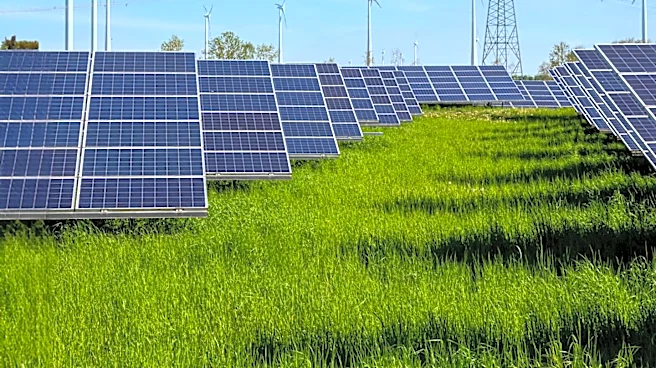
Microgrids, self-contained power systems that generate, store, and manage electricity, are becoming increasingly popular, particularly in AI data centers. These systems can operate independently from the main utility grid, providing a reliable power source
during outages. The demand for microgrids is driven by the need for resilience against extreme weather, rising electricity costs, and aging infrastructure. AI data centers, which have high electricity demands, are increasingly building their own power systems on-site, using a combination of solar, battery storage, and small modular reactors.
Why It's Important?
The rise of microgrids represents a significant shift in how energy is managed and consumed, particularly in sectors with high power demands like AI data centers. By providing a reliable and independent power source, microgrids enhance resilience and reduce reliance on traditional utility grids. This trend could lead to significant changes in energy policies and infrastructure investments, promoting the adoption of renewable energy sources and innovative technologies. The growth of microgrids also highlights the need for advancements in energy storage and management systems.
What's Next?
As the demand for microgrids continues to grow, further developments in energy storage and management technologies are expected. Companies and governments will likely invest in research and development to enhance the efficiency and scalability of microgrids. The integration of microgrids with smart grid technologies could further improve energy management and resilience. Stakeholders, including energy companies, policymakers, and technology developers, will play crucial roles in advancing these systems and addressing any challenges that arise.