



What's Happening?
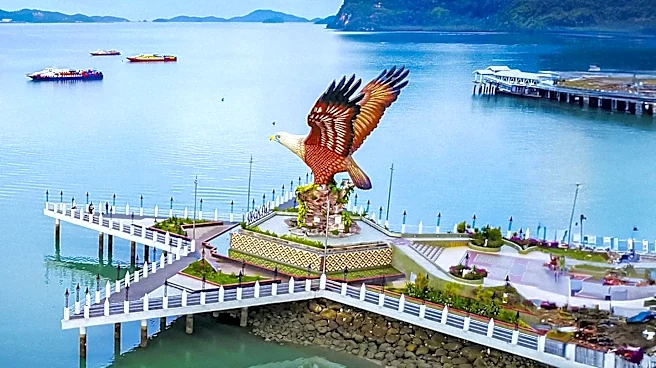
Langkawi, a resort island in Malaysia known for its beaches, limestone cliffs, and reliance on tourism, is urging the federal government for special attention and targeted allocations in Budget 2027. The call comes from non-governmental organization Anak
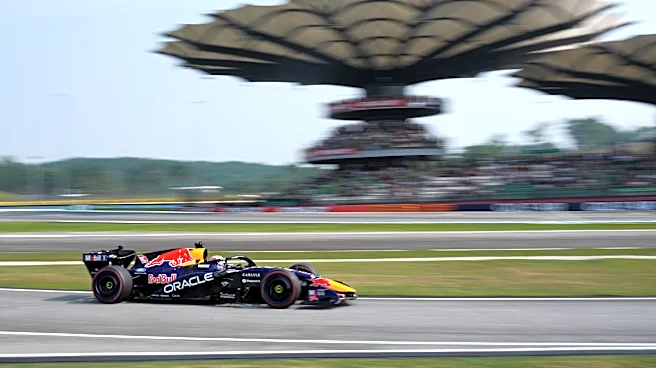
Muda MADANI Kedah chairman Datuk Zuraidi Rahim, who highlights the sluggishness in the island's tourism sector. A key request is the complete restoration of Langkawi's duty-free zone status, which was previously a major draw for tourists. The island's economy is heavily dependent on tourism, impacting not only hotels and travel agencies but also restaurants, transportation, traders, and small and medium enterprises (SMEs). The appeal emphasizes the need for a new injection of funds to boost the income of tourism operators and SMEs, and to support large-scale programs, including motorsport activities, to attract more visitors. The island is also preparing to host the Langkawi International Half Marathon 2026, an event that has seen significant growth in participation.
Why It's Important?
The revitalization of Langkawi's tourism sector is crucial for the island's economic stability and the livelihoods of its residents. The proposed measures, particularly the restoration of duty-free status, could significantly enhance its appeal as a tourist destination, directly benefiting a wide array of businesses from large resorts to local vendors. A thriving tourism industry in Langkawi would create employment opportunities, stimulate local commerce, and contribute to the overall economic well-being of the region. Conversely, continued sluggishness in the sector could lead to job losses, business closures, and a decline in the quality of life for the island's inhabitants. The government's response to these calls in Budget 2027 will serve as a critical indicator of its commitment to supporting regional economies heavily reliant on specific industries like tourism, and could set a precedent for similar interventions in other affected areas.
What's Next?
The focus will now be on the federal government's deliberations for Budget 2027. Datuk Zuraidi Rahim has expressed hope that the Prime Minister, who also serves as the Finance Minister, will address the issues raised, particularly regarding duty-free facilities and specific allocations for tourism-boosting initiatives. Stakeholders in Langkawi's tourism sector, including hotel operators, travel agencies, and SMEs, will be closely watching the budget announcement for any provisions that could aid in their recovery and growth. The success of events like the Langkawi International Half Marathon 2026 could also serve as a case study for the potential of large-scale events to attract visitors and generate economic activity, potentially influencing future government support for such initiatives. The fishing community's needs, including assistance for boat repairs and engine replacements, are also part of the broader appeal for support.
Beyond the Headlines
The situation in Langkawi underscores the broader challenges faced by economies heavily reliant on a single industry, especially tourism, which can be vulnerable to external factors. The call for government intervention highlights the role of public policy in mitigating economic downturns and fostering sustainable growth in specific regions. The debate around restoring duty-free status touches upon economic incentives and their effectiveness in attracting tourism, as well as the balance between local economic needs and broader national fiscal policies. Furthermore, the emphasis on supporting local SMEs and various service providers reflects an understanding of the interconnectedness of the tourism ecosystem and the need for comprehensive support beyond just major players. This scenario could also spark discussions on diversifying local economies to build resilience against future shocks.