




What's Happening?
Seneca Foods, a prominent U.S. provider of packaged fruits and vegetables, is actively recruiting a Maintenance Mechanic for its facility in Ripon, Wisconsin. The company, which sources products from over 2,000 American farms, is a significant player
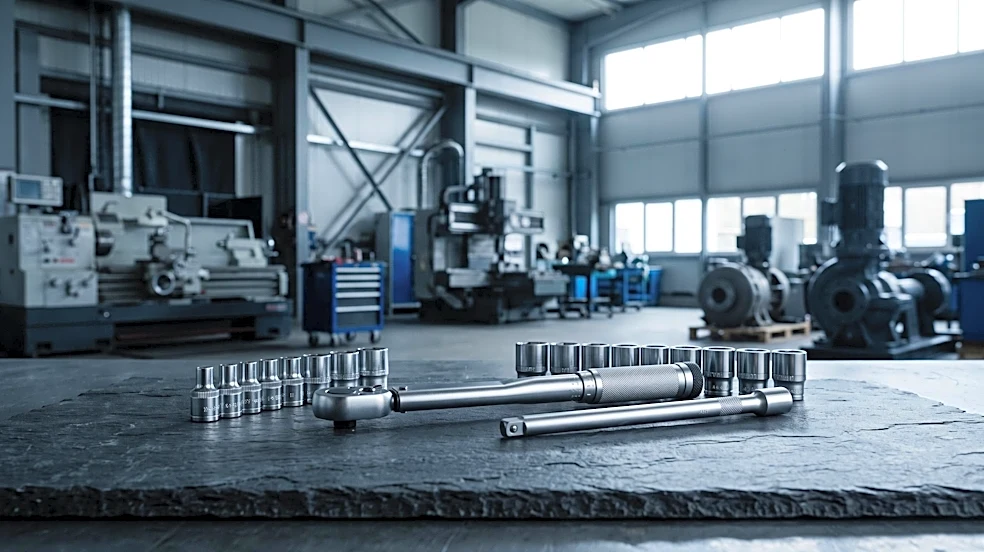
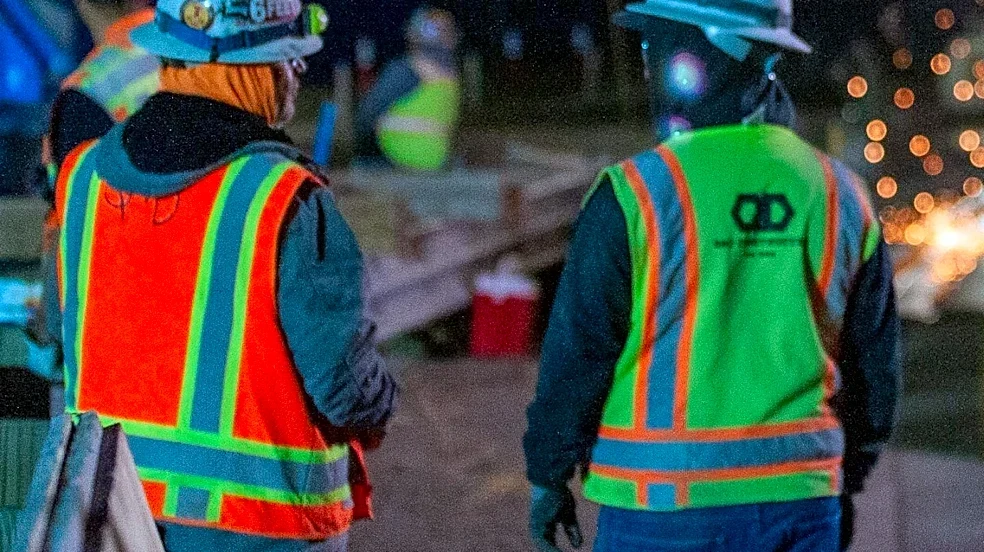
in the retail private label, food service, and export canned vegetable markets, distributing to more than 90 countries. The Maintenance Mechanic role involves inspecting, repairing, and maintaining machinery and equipment, troubleshooting issues, and fabricating and installing new equipment as needed. Responsibilities also include maintaining accurate records, monitoring equipment operation, and ensuring compliance with GMPs and safety regulations. Seneca Foods offers a comprehensive benefits package, including medical, dental, vision, life insurance, 401K, and paid time off. The position requires strong maintenance skills, attention to detail, and the ability to work effectively in a team environment. The company emphasizes its commitment to equal opportunity and affirmative action, providing reasonable accommodations for individuals with disabilities.
Why It's Important?
This hiring initiative by Seneca Foods underscores the ongoing demand for skilled labor in the U.S. food processing sector, particularly in manufacturing and maintenance roles. As a leading provider of packaged fruits and vegetables, Seneca Foods plays a crucial role in the national food supply chain, impacting consumers and agricultural producers across the country. The company's extensive operations, supported by a network of American farms, highlight the interconnectedness of agriculture and industrial processing. The availability of such positions, coupled with competitive benefits, can attract talent to rural and semi-rural areas where many food processing plants are located, contributing to local economies. Furthermore, the emphasis on maintaining equipment and adhering to safety standards is vital for ensuring food quality and safety, which are paramount concerns for public health and regulatory bodies. The company's commitment to diversity and inclusion also sets a standard for employment practices within the industry.
What's Next?
Seneca Foods will continue its recruitment efforts to fill the Maintenance Mechanic position in Ripon, WI, and likely other similar roles across its numerous U.S. facilities. Successful candidates will undergo training and integration into the company's operational framework, contributing to the efficiency and reliability of its food processing lines. The ongoing need for skilled maintenance personnel suggests a sustained investment in infrastructure and production capabilities by Seneca Foods. This could lead to further job opportunities in related fields as the company adapts to market demands and technological advancements in food processing. The company's focus on maintaining high operational standards will likely involve continuous training and development for its workforce, ensuring that its facilities remain at the forefront of food production and safety. The broader industry may also see similar hiring trends as companies strive to meet consumer demand and maintain operational excellence.
Beyond the Headlines
The recruitment for a Maintenance Mechanic at Seneca Foods reflects a broader trend in the U.S. manufacturing sector, where the demand for skilled trades remains high. This highlights the critical importance of vocational training and technical education programs in preparing the workforce for essential roles that underpin the nation's industrial output. The stability offered by companies like Seneca Foods, with their extensive market presence and commitment to employee benefits, can serve as a model for sustainable employment in the food industry. Moreover, the company's reliance on American farms for its produce underscores the economic symbiosis between agricultural producers and food processors, which is vital for regional economies. The continuous operation and maintenance of these facilities are not just about business; they are about ensuring food security and the availability of essential goods for the population, making these roles more significant than often perceived.