



What's Happening?
The Japanese Alps provide diverse walking and cultural experiences, ranging from scenic valley strolls to challenging mountain hikes. Kamikōchi, known as Japan's most beautiful walking valley, features a turquoise river and the Hotaka peaks, with private
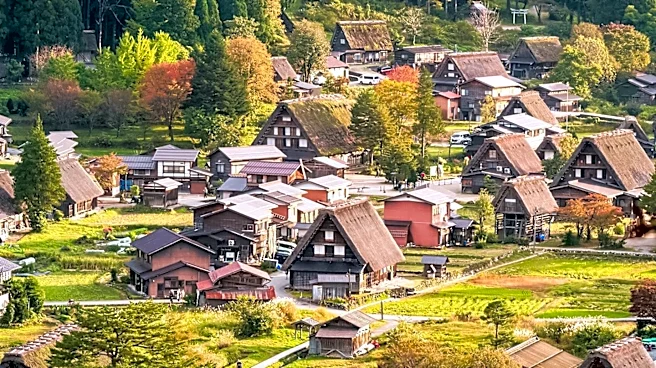
vehicles banned to preserve its natural state. The classic walk along the Azusa River is a popular day activity, while more experienced hikers can ascend to mountain huts like the Karasawa cirque. The region also includes historical routes such as the Nakasendō, which linked Edo to Kyoto through the mountains. This route features well-preserved post towns like Narai and an 8-kilometer paved trail between Magome and Tsumago, passing through forests, hamlets, and waterfalls. Additionally, areas like Hita Village offer walking tours through shopping streets and historical districts, including Mamedamachi Street, which showcases Edo Period architecture and museums displaying hina dolls. These locations emphasize walking as a primary mode of exploration, highlighting both natural beauty and cultural heritage.
Why It's Important?
The emphasis on walking and pedestrian-friendly environments in the Japanese Alps and other cultural sites highlights a significant aspect of Japanese tourism and daily life. For the U.S. tourism industry, this offers insights into destination development that prioritizes active and immersive cultural experiences, potentially influencing how American travel agencies market and package tours to Japan. The preservation efforts in areas like Kamikōchi, where private cars are banned, demonstrate a model for sustainable tourism that could be adapted or studied by U.S. national parks and conservation areas. Economically, these walking-centric attractions support local businesses in smaller towns, such as ryokans in Tsumago and shops in Mamedamachi Street, providing a blueprint for rural economic development through heritage tourism. For American travelers, these destinations offer a unique blend of physical activity, historical exploration, and natural beauty, appealing to those seeking more authentic and less commercialized travel experiences compared to major urban centers. The cultural significance of places like the Nakasendō also provides educational value, offering a glimpse into Japan's historical infrastructure and societal practices.
What's Next?
The continued promotion of walking tours and pedestrian-focused attractions in the Japanese Alps and other regions is likely to attract a growing number of international tourists, including those from the U.S., seeking active and culturally rich travel experiences. Local authorities and tourism boards may further invest in maintaining and enhancing these walking trails and historical sites, potentially developing new routes or improving existing infrastructure to accommodate increased visitor numbers. There could be an expansion of guided tours and interpretive programs to deepen visitors' understanding of the natural and cultural significance of these areas. Additionally, the success of these pedestrian-friendly zones might inspire other regions, both within Japan and internationally, to adopt similar strategies for sustainable tourism and local economic development. As travelers increasingly prioritize health and wellness, the appeal of destinations that encourage walking and outdoor activities is expected to rise, leading to more tailored travel packages and marketing efforts targeting this demographic.
Beyond the Headlines
The prevalence of walking in Japanese culture, as evidenced by these tourist destinations, extends beyond leisure activities and reflects a broader societal value placed on physical activity and connection with the environment. This cultural norm contrasts with the more car-dependent lifestyle often found in the U.S., offering a different perspective on urban planning and personal mobility. The meticulous preservation of historical walking routes and traditional villages like those along the Nakasendō underscores a deep respect for heritage and a commitment to maintaining cultural authenticity, which can serve as a model for historical preservation efforts globally. Furthermore, the integration of nature and culture in these walking experiences highlights a holistic approach to well-being, where physical exercise is intertwined with mental and spiritual enrichment. This could influence discussions in the U.S. regarding the design of public spaces and the promotion of active lifestyles, encouraging a greater appreciation for pedestrian infrastructure and the benefits of integrating nature into daily routines.