





What's Happening?
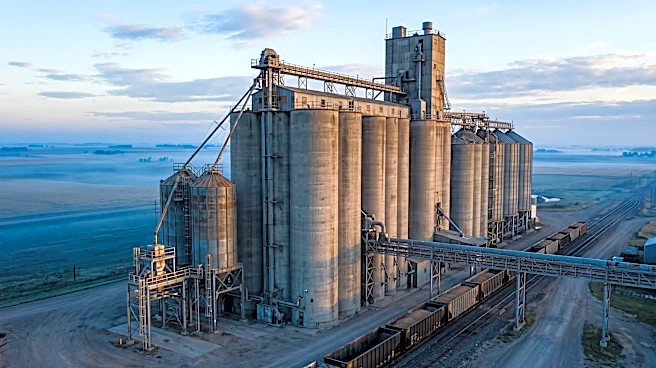
The Andersons, Inc. is integrating its agricultural merchandising expertise with the physical infrastructure required to move commodities from producers to domestic and international markets. The company, founded in 1947, operates approximately 175 agribusiness
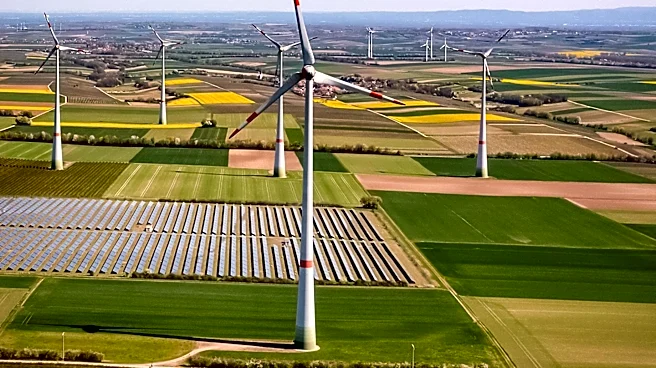
sites and possesses around 270 million bushels of grain storage capacity. Annually, it trades approximately 33 million metric tons of agricultural commodities, including corn, soybeans, and wheat. Beyond traditional agricultural trade, The Andersons also coordinates grain deliveries to processing facilities and the movement of finished products to buyers, utilizing merchandising and hedging to manage price volatility in corn and ethanol. The company's reach extends to renewable feedstocks like vegetable oils and fats, connecting suppliers with industrial customers and renewable fuel markets.
Why It's Important?
The Andersons' integrated approach to agricultural trading and merchandising is crucial for optimizing the efficiency and reliability of the U.S. agricultural supply chain. By combining market knowledge with extensive physical infrastructure, the company helps manage the complexities of commodity movements, including storage, transportation, and risk management. This integration is particularly vital in a volatile market where factors like local basis, transportation costs, and destination demand significantly influence profitability. The company's involvement in renewable feedstocks further highlights its role in the evolving energy landscape, connecting agricultural output with the growing demand for biofuels and other renewable products. This strategy benefits both agricultural producers by providing market access and industrial customers by ensuring a consistent supply of raw materials.
What's Next?
The Andersons is expected to continue leveraging its integrated model to adapt to changing market conditions and expand its influence in both traditional agriculture and renewable fuels. The company will likely focus on enhancing its risk management tools, such as forward contracts and hedging arrangements, to mitigate market volatility for its partners. Further investments in storage capacity and transportation logistics will be essential to support increased trade volumes and market reach. As the demand for renewable fuels grows, The Andersons may further expand its sourcing and merchandising operations for feedstocks like vegetable oils and fats, strengthening its position in the bio-based economy. The company's ability to navigate price fluctuations and supply chain challenges will be key to its sustained success.
Beyond the Headlines
The Andersons' business model reflects a broader trend in the agricultural sector towards greater integration and sophistication in supply chain management. The emphasis on connecting agricultural producers with global markets, while also managing the complexities of commodity pricing and transportation, underscores the critical role of such companies in ensuring food security and economic stability. Furthermore, the company's foray into renewable feedstocks illustrates the increasing convergence of agriculture and energy sectors. This integration not only creates new revenue streams but also contributes to the development of sustainable energy solutions, highlighting the multifaceted impact of agricultural trading on the economy and environment. The ability to adapt to these evolving demands will be a defining characteristic of successful agricultural enterprises.