




What's Happening?
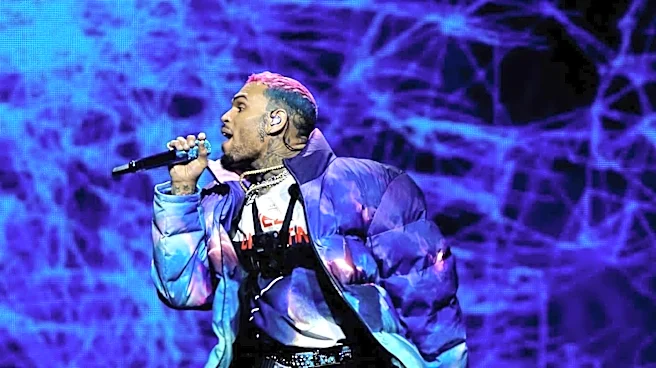
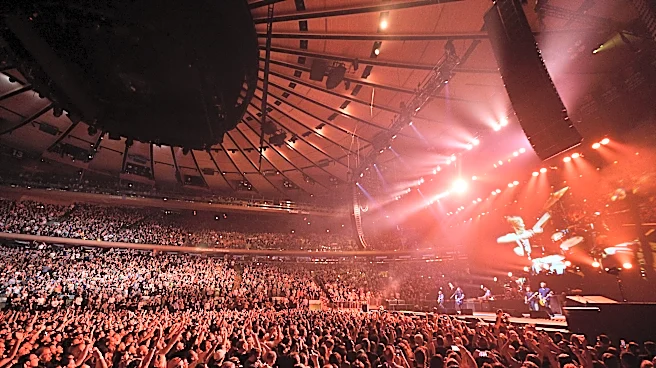
During the Usher and Chris Brown R&B Tour stop in New Orleans, a fire performer experienced a fall from the stage. The incident occurred on Saturday, November 21, during the second night of their performances at the Caesars Superdome. Video footage circulating
on social media shows the performer, who was handling flaming props, losing their footing while moving backward and subsequently falling down a flight of stairs. As of the report, it remains unclear whether the performer sustained any injuries or required medical attention. TMZ, which reported on the incident, stated that it had contacted Live Nation and representatives for both singers for an update but had not received a response. This event adds to the elaborate production of the co-headlining tour, which heavily features pyrotechnics and other stunts.
Why It's Important?
This incident highlights the inherent risks associated with elaborate live concert productions, particularly those incorporating pyrotechnics and complex staging. The safety of performers and audience members is paramount, and such accidents can lead to increased scrutiny of production safety protocols. For Live Nation and the artists involved, this event could prompt a review of their safety measures and emergency response plans to prevent future occurrences. The use of fire and other dangerous elements in performances, while visually spectacular, necessitates stringent safety standards and immediate medical preparedness. Any injuries sustained by performers could also lead to legal and financial implications for the tour organizers and artists, potentially affecting future tour planning and insurance costs. The incident also draws attention to the broader industry trend of increasingly complex and high-risk concert spectacles.
What's Next?
Following the incident, there will likely be an internal review by Live Nation and the tour's production team regarding the safety protocols for fire performers and stage design. Depending on the performer's condition and any potential injuries, there could be investigations into the cause of the fall and whether all safety guidelines were adequately followed. This might lead to adjustments in future performances, potentially altering the use of pyrotechnics or stage movements to enhance safety. Public and media attention will likely focus on updates regarding the performer's health and any official statements from the tour organizers. The incident could also influence how future concert tours are planned and executed, with a greater emphasis on performer safety and risk assessment for elaborate stunts.
Beyond the Headlines
The incident in New Orleans underscores a broader discussion within the entertainment industry about the balance between spectacle and safety. As live performances become more visually ambitious, the potential for accidents increases, raising questions about the ethical responsibilities of production companies and artists. There's a constant push to deliver unique and memorable experiences for audiences, often involving high-risk elements. This event could spark conversations about industry-wide safety standards for live shows, the training and preparedness of performers, and the adequacy of emergency medical services on site. It also touches upon the often-unseen dangers faced by behind-the-scenes personnel and performers who execute these complex stunts, reminding audiences of the human element involved in creating such grand entertainment.