








What's Happening?
Improving gut health is best achieved through a diverse diet rich in plant-based fibers, nutrients, and living microorganisms, rather than relying on a single 'superfood.' The gut microbiome, a complex ecosystem of bacteria, fungi, and other microorganisms, thrives
on diversity. Health professionals emphasize that a healthy gut efficiently functions throughout the entire gastrointestinal tract, with beneficial bacteria performing essential tasks like breaking down complex carbohydrates, producing short-chain fatty acids, supporting the immune system, and synthesizing key vitamins. Disruptions to this microbial balance, known as dysbiosis, can lead to digestive issues and impact systemic health markers such as energy levels and mood.
Why It's Important?
This guidance is crucial for individuals seeking to improve their digestive well-being, as it debunks the myth of quick fixes and promotes a sustainable, holistic approach to health. By focusing on dietary diversity, individuals can cultivate a more resilient and functional gut microbiome, which is directly linked to a stronger immune system and better overall health. The emphasis on understanding the difference between prebiotic foods (which feed existing beneficial bacteria) and probiotic foods (which introduce new beneficial bacteria) empowers individuals to make informed dietary choices. This approach also highlights the importance of considering broader systemic health factors, such as thyroid function and nutrient deficiencies, when addressing persistent digestive symptoms.
What's Next?
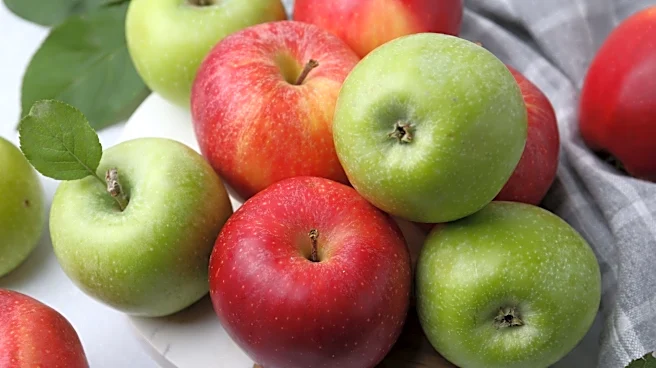
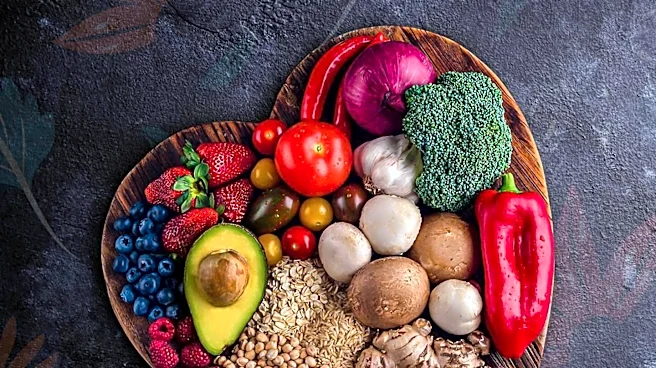
Individuals are encouraged to build gut-friendly eating patterns by incorporating a wide variety of prebiotic foods like oats, apples, onions, garlic, leeks, asparagus, and legumes, which provide fuel for beneficial bacteria. Probiotic foods such as live yogurt, kefir, sauerkraut, kimchi, miso, and tempeh should also be included to introduce new beneficial microorganisms. Additionally, polyphenol-rich and anti-inflammatory foods like berries, dark vegetables, extra virgin olive oil, and walnuts are recommended to protect the gut lining. It is advised to introduce these foods gradually and to maintain adequate hydration. If symptoms persist, consulting a medical professional to rule out underlying conditions is a critical next step.
Beyond the Headlines
The concept of microbial diversity as the ultimate goal for gut health extends beyond mere dietary recommendations, touching upon the broader ecological principles of resilience and balance. This perspective suggests that a varied diet not only supports a healthy gut but also mirrors the diversity found in natural ecosystems, potentially fostering a more robust and adaptable internal environment. The connection between gut health and systemic issues like thyroid function and nutrient absorption underscores the intricate web of physiological processes, challenging the notion of isolated bodily systems. This holistic view encourages a more integrated approach to health, where dietary choices are seen as fundamental to overall well-being rather than just symptom management.