






What's Happening?
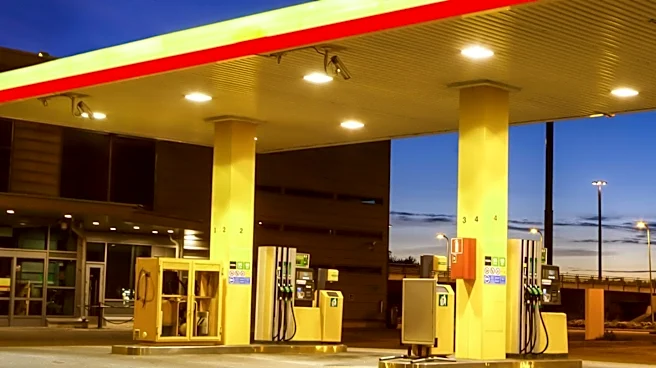
Hangry Planet, North America's first fully plant-based gas station convenience store located in San Bruno, California, has been sold for more than $12 million. Entrepreneur Bobak Bakhtiari, who founded the store, sold both the property and the business.
The nearly 1,500-square-foot store, situated at the Tanforan Shell station at 1199 El Camino Real, opened in 2022 in partnership with Shell Oil. Bakhtiari developed the concept after an undercover investigation into organic dairy farms, aiming to create a convenience store where all products, from grab-and-go meals to snacks and desserts, were free of animal products. Products were selected based on taste, nutritional profile, additives, and environmental impact. Initially, sales dropped by about 20% after the transition to fully plant-based offerings, but eventually increased by approximately 30% as the store gained a dedicated following. The store's offerings include breakfast sandwiches with Beyond Meat, JUST Egg, and Follow Your Heart Cheese, Daiya burritos, Dr. Praeger's veggie burgers, vegan empanadas, hand pies, hot cocoa, golden milk, prebiotic sodas, kombucha, and various plant-based snacks. Desserts feature organic vegan pastries from Black China Bakery, vegan cookies from Kerri Kreations, and doughnuts from Donut Farm. Hangry Planet also partnered with local chef Vegan Mob for a food truck in the parking lot.
Why It's Important?
The sale of Hangry Planet for over $12 million highlights a significant milestone in the growing plant-based food market within the U.S. convenience store sector. This transaction demonstrates the increasing financial viability and consumer demand for exclusively vegan retail options, even in unconventional settings like gas stations. The initial sales dip followed by a 30% increase indicates a shift in consumer behavior, where a niche market can evolve into a profitable venture by attracting dedicated customers. This success could encourage other entrepreneurs and larger corporations to invest in and expand plant-based offerings in convenience stores nationwide, making vegan options more accessible to a broader demographic. It also underscores the Bay Area's role as a hub for plant-based innovation and consumer interest, potentially influencing market trends in other regions. The store's focus on taste, nutrition, and environmental impact reflects evolving consumer priorities, pushing the food industry towards more sustainable and ethically conscious practices.
What's Next?
The successful sale of Hangry Planet could catalyze further investment and expansion in the plant-based convenience store model across the U.S. Other entrepreneurs and existing convenience store chains may look to replicate this success, leading to an increase in dedicated vegan sections or entirely plant-based stores. This trend could also prompt food manufacturers to develop a wider range of vegan convenience products to meet anticipated demand. The new owners of Hangry Planet will likely continue to cater to its established customer base while potentially exploring new strategies for growth, such as expanding product lines or opening additional locations. The broader food industry will be watching to see if this model can be successfully scaled beyond the Bay Area, potentially leading to a more widespread integration of plant-based options in mainstream retail. This development may also inspire more environmental advocacy within the business sector, as seen with Bakhtiari's broader work challenging unsustainable practices.
Beyond the Headlines
The success and sale of Hangry Planet signify a deeper cultural and ethical shift in American consumerism, moving beyond traditional dietary preferences towards more conscious consumption. Bobak Bakhtiari's motivation, stemming from an investigation into organic dairy farms, highlights a growing awareness of animal welfare and environmental impact as drivers for business innovation. The store's transformation of a gas station into a 'colorful attraction' with sculptures, live music, and an immersive 'VR Car Wash' suggests a redefinition of the convenience store experience, integrating entertainment and community engagement with ethical commerce. This approach challenges the conventional perception of convenience stores as merely transactional spaces, positioning them as potential hubs for lifestyle choices and values. The venture's ability to attract customers beyond the existing vegan community, encouraging a broader reconsideration of dietary choices, points to a future where ethical and sustainable options become more mainstream and integrated into everyday life.