



What's Happening?
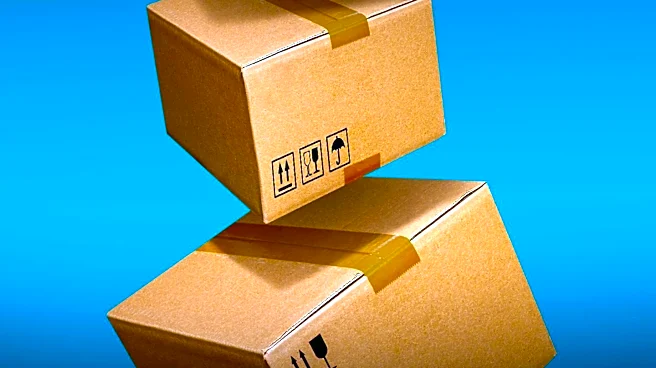
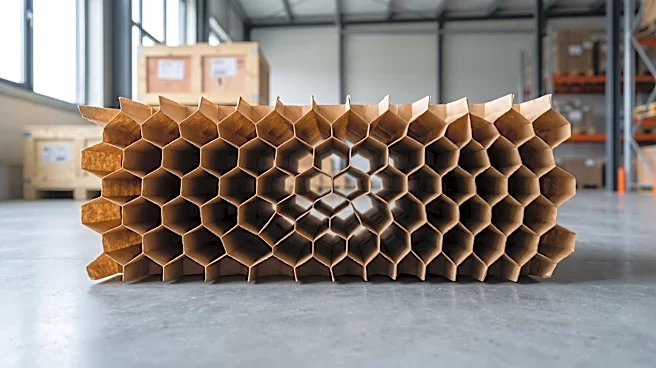
A corrugated box is a packaging container constructed from corrugated board, which consists of a wavy sheet of paper, known as the medium, glued between two flat sheets called liners. This unique three-layer structure provides resistance to crushing and
absorbs impacts, making it suitable for shipping and protecting various items. The strength and characteristics of a corrugated box are determined by several factors, including the size of the waves (flutes), the number of wavy layers (wall count), and specific test ratings like Edge Crush Test (ECT) and Mullen (burst test). Flute sizes, such as A, B, C, E, and F, vary in thickness and the number of waves per foot, influencing the board's rigidity and printability. For instance, E-flute is thinner with more waves, offering a smoother surface for sharper graphics, while B-flute is thicker, providing more crush resistance. Boxes can also be single-wall, double-wall, or triple-wall, with each additional wall increasing strength, weight, and thickness for heavier loads.
Why It's Important?
The understanding of corrugated box construction is crucial for businesses and consumers alike, as it directly impacts product protection, shipping efficiency, and cost-effectiveness. Selecting the appropriate type of corrugated box ensures that products arrive at their destination undamaged, reducing losses from breakage and returns. For e-commerce businesses, the choice of flute and wall count can optimize packaging for both protection and presentation, influencing customer satisfaction. The ability to print high-quality graphics on finer flutes like E and F allows companies to use their packaging as a branding tool. Furthermore, the strength ratings (ECT and Mullen) are vital for logistics and warehousing, as they indicate how much force a box can withstand during stacking and handling, preventing collapse and damage in transit. This knowledge helps in making informed decisions about packaging materials, balancing protection needs with material costs and environmental considerations.
What's Next?
As e-commerce continues to expand, the demand for optimized corrugated packaging solutions is expected to grow. Innovations in corrugated board technology may focus on developing lighter yet stronger materials, improving print quality for enhanced branding, and increasing the use of recycled content to meet sustainability goals. Manufacturers will likely continue to offer custom-sized and custom-printed corrugated boxes to cater to diverse product needs and brand requirements. Further advancements in testing methods for box strength and durability could lead to more precise packaging specifications, reducing over-packaging and material waste. The industry may also see increased integration of smart packaging features, such as RFID tags or sensors, within corrugated boxes to enhance supply chain visibility and product security.
Beyond the Headlines
The evolution of corrugated packaging extends beyond mere functionality, touching upon environmental responsibility and consumer perception. The widespread use of corrugated boxes, often made from recycled materials and being recyclable themselves, contributes significantly to sustainable packaging efforts. This aligns with growing consumer demand for eco-friendly products and practices. The tactile experience and visual appeal of a corrugated box can also influence a consumer's perception of a brand's quality and attention to detail, especially in unboxing experiences for online purchases. Furthermore, the design and structural integrity of these boxes play a subtle but critical role in global supply chains, enabling the safe and efficient transport of goods across vast distances, underpinning modern commerce. The continuous innovation in this seemingly simple product reflects ongoing efforts to balance economic efficiency, environmental stewardship, and consumer satisfaction in the packaging industry.