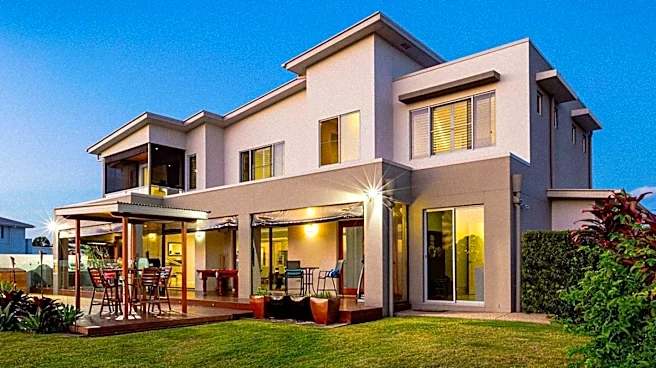







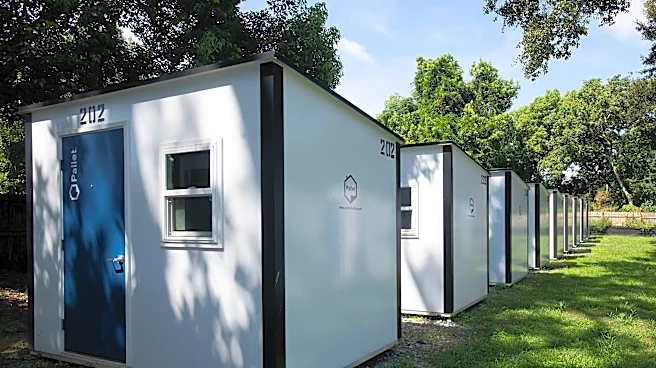

What's Happening?
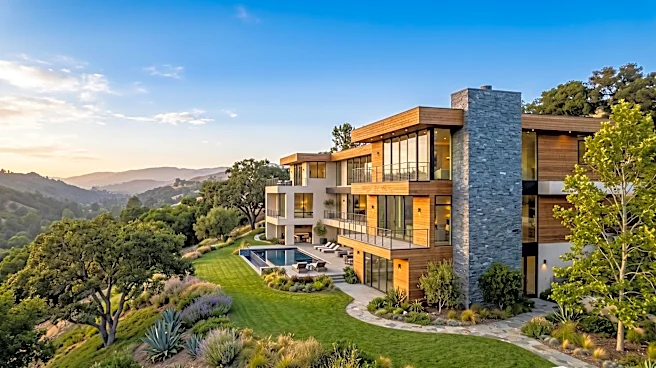
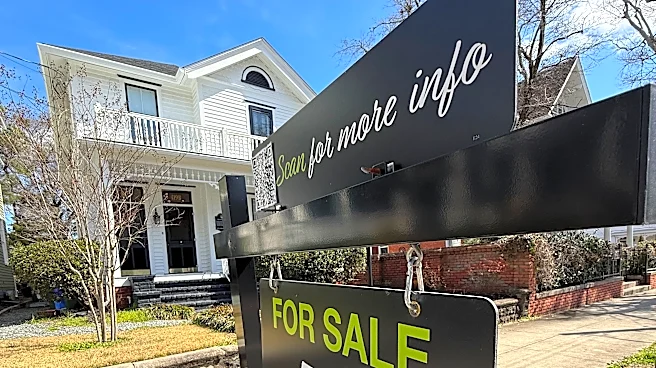
Gen Z, born between 1997 and 2012, is challenging the traditional American Dream of homeownership, moving away from the desire for large suburban houses. This generation has entered adulthood amidst significant economic uncertainty, including the Great
Recession, a global pandemic, rapidly rising rents, home prices, and borrowing costs. Consequently, affordability has become their primary consideration when it comes to housing. They are less interested in homes as symbols of success or investments and more focused on housing as a monthly obligation that must compete with other essential expenses like transportation, healthcare, food, and debt payments. This shift is leading them to prioritize smaller, more manageable, and flexible homes that align with their financial realities and evolving lifestyles, such as remote work and multi-generational living. They are questioning the value of owning more possessions and are seeking homes that are efficient and functional rather than just impressive in size.
Why It's Important?
This redefinition of homeownership by Gen Z has significant implications for the U.S. housing industry and broader economic trends. The traditional model of housing development, which focused on larger homes and suburban expansion, may need to adapt to meet the demands of this new generation of buyers. The emphasis on affordability, efficiency, and flexibility could drive innovation in construction, particularly in offsite construction methods like modular, manufactured, and panelized homes. These methods are well-suited to produce attractive, efficient, and cost-controlled housing options. Furthermore, the shift away from 'dream-sized' to 'right-sized' homes could lead to a greater demand for diverse housing types, including cottages, compact single-family homes, duplexes, townhouses, and accessory dwelling units (ADUs). This could alleviate some pressure on housing affordability and promote more sustainable living practices, as Gen Z also values environmental and financial efficiency in their homes.
What's Next?
The housing industry is expected to respond to Gen Z's evolving preferences by developing more affordable, efficient, and flexible housing solutions. This will likely involve increased adoption of offsite construction techniques, which can offer repeatable floor plans, standardized components, and controlled costs. Manufacturers may begin offering homes that can expand, divide, or change function to accommodate varying needs over time. However, for these solutions to be truly accessible, challenges related to land use, zoning regulations, and financing for smaller, alternative housing types will need to be addressed. Local communities may need to revise zoning laws to permit these homes, and lending institutions may need to adapt their appraisal systems to better accommodate non-traditional housing. The focus will shift from simply building smaller versions of conventional homes to designing homes specifically around how Gen Z intends to live, prioritizing functionality and financial breathing room.
Beyond the Headlines
The cultural shift driven by Gen Z's approach to homeownership extends beyond mere housing preferences; it reflects a broader re-evaluation of success and ambition. Unlike previous generations who viewed larger homes as a clear sign of progress, Gen Z is less inclined to apologize for living efficiently. Their identity is more shaped by experiences, independence, creative pursuits, and the freedom to adapt, all of which can be hindered by an oversized mortgage. This perspective suggests a more disciplined form of ambition, where financial security and comfort without being financially trapped are valued over sheer square footage. This could lead to a long-term societal shift in how wealth and success are perceived, potentially fostering a culture that prioritizes financial well-being and sustainable living over conspicuous consumption. The industry's ability to meet these evolving values will determine its success in the coming decades.