




What's Happening?
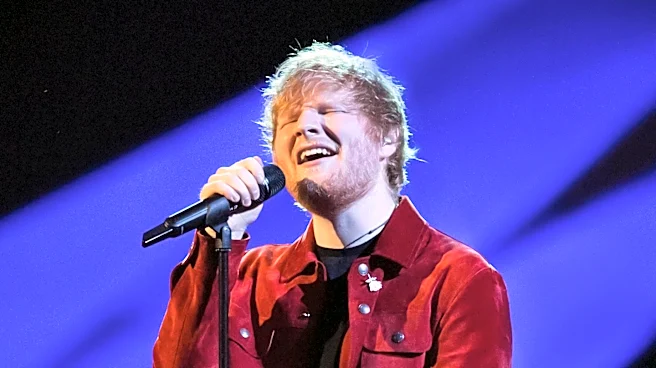
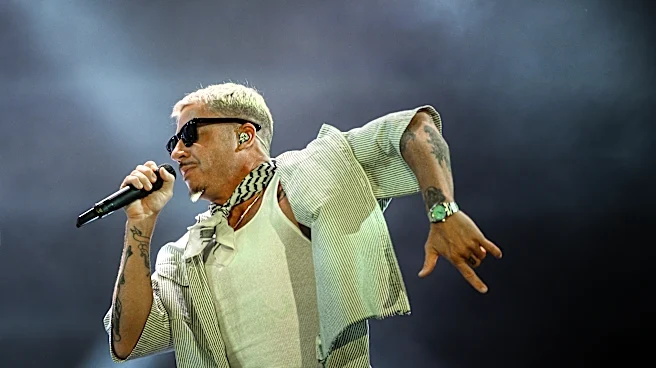
Rapper Macklemore is facing significant backlash and calls for his removal from Ed Sheeran's ongoing tour after using his opening sets at MetLife Stadium in New Jersey to express support for Palestinians and criticize Israel's actions in Gaza. During
his performances on Friday and Saturday, Macklemore repeatedly chanted "Free Palestine" and performed his 2024 protest song "Hind's Hall." The stage visuals included images related to Gaza and pro-Palestinian demonstrations. This political display has prompted an Israeli-American group to launch a petition urging Ed Sheeran and tour organizers to drop Macklemore from the remaining tour dates. The group argues that concertgoers paid for a musical performance, not a political rally. Macklemore has a history of being outspoken on the Israel-Palestine conflict, having previously chanted "f*** America" at a pro-Palestinian festival in Seattle in 2024, and his song "Hind's Hall" was criticized as antisemitic by singer-songwriter Matisyahu.
Why It's Important?
This incident highlights the increasing intersection of celebrity platforms and geopolitical issues, particularly the Israeli-Palestinian conflict, which often elicits strong and polarized reactions. For the entertainment industry, it underscores the challenges artists and tour organizers face when performers use their stage for political activism, potentially alienating segments of their audience or facing pressure from advocacy groups. The calls for Macklemore's removal demonstrate the commercial and reputational risks associated with taking explicit political stances in public forums. For fans, it raises questions about the nature of live entertainment and whether political messaging should be integrated into musical performances. The controversy also reflects broader societal divisions and the intensity of feelings surrounding the conflict, impacting how public figures are perceived and how their artistic expressions are received.
What's Next?
The immediate next step will likely involve a decision from Ed Sheeran and the tour organizers regarding Macklemore's continued participation in the "Loop" tour. They will need to weigh the pressure from the Israeli-American Council's petition and public backlash against potential support for Macklemore's right to free expression. The online reaction, which has been described as "fiery," suggests that public opinion remains divided, with some concertgoers expressing disapproval and others defending his actions. Depending on the decision, there could be further protests or boycotts from either side. This situation may also prompt other artists and event organizers to re-evaluate their policies on political statements during performances, potentially leading to more explicit guidelines or disclaimers for future tours and events.
Beyond the Headlines
This event delves into the complex ethical considerations surrounding artistic freedom versus audience expectations and the commercial interests of tour promoters. It raises questions about the responsibility of artists when using their platform for political advocacy, especially on highly sensitive international issues. The controversy also touches upon the broader cultural debate about "cancel culture" and the extent to which public figures should be held accountable for their political views, particularly when those views are perceived as controversial or offensive by some. Furthermore, it highlights the power of organized advocacy groups to influence public discourse and commercial decisions within the entertainment industry, potentially setting precedents for how similar situations are handled in the future. The incident could also contribute to a wider discussion about the role of music and art in social and political movements.