






What's Happening?
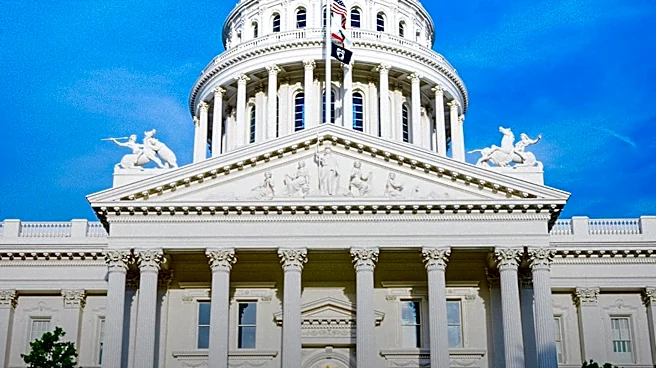
A new bill, Assembly Bill 311, is progressing through the California Legislature, aiming to amend the state's insurance law, Proposition 103. The bill, known as the Consumer Driving Data Protection Act of 2026, seeks to allow insurers to use telematics
to offer auto insurance discounts based on good driving behavior. Telematics involves tracking drivers' behavior through technology to set insurance rates. The bill mandates that any rate application using telematics must include specific materials related to the insurer's telematics program. It also prohibits insurers from using telematics data for purposes other than rating private passenger auto insurance. Additionally, the bill establishes consent and privacy requirements for the use of telematics data. Assemblymember Tina McKinnor, the bill's author, argues that it will promote safer driving and enhance road safety. However, the bill faces opposition from the California Department of Insurance and consumer advocates, who express concerns about privacy, transparency, and potential bias in insurance pricing. The bill is currently under review by the Senate Committee on Privacy, Digital Technologies, and Consumer Protection.
Why It's Important?
The introduction of Assembly Bill 311 is significant as it represents a shift towards integrating technology into the insurance industry, potentially transforming how auto insurance rates are determined. By allowing insurers to use telematics, the bill could incentivize safer driving behaviors, potentially reducing accidents and enhancing road safety. However, the bill also raises important privacy and ethical concerns. The use of telematics involves collecting detailed data on drivers' behaviors, which could lead to privacy infringements if not properly regulated. Additionally, there is a risk of bias in insurance pricing, as telematics data could disproportionately affect certain groups of drivers. The outcome of this legislative process could set a precedent for other states considering similar measures, impacting the broader insurance industry and consumer rights.
What's Next?
As Assembly Bill 311 moves through the legislative process, it will be crucial to monitor the discussions and amendments made in the Senate Committee on Privacy, Digital Technologies, and Consumer Protection. Stakeholders, including insurers, consumer advocates, and privacy experts, are likely to engage in debates over the bill's provisions, particularly concerning privacy and data usage. If passed, the bill could lead to the development of new regulatory frameworks to ensure the ethical use of telematics data. Insurers may need to adapt their business models to incorporate telematics technology while addressing consumer concerns. The bill's progress and potential enactment will be closely watched by other states and industries considering similar technological integrations.