





What's Happening?
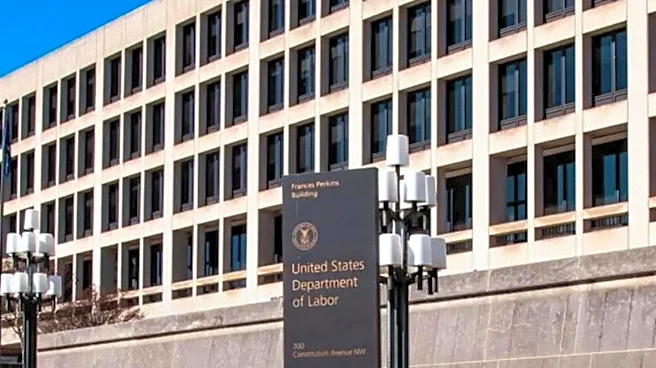
The Department of Labor (DOL) has proposed amendments to the ERISA investment duties regulation, aiming to clarify and strengthen the loyalty standard for fiduciaries. Published in the Federal Register on November 24, 2026, the proposal seeks to replace
parts of the 2022 rule, mandating that fiduciaries maintain an exclusive focus on maximizing participants’ retirement income and financial benefits. Key changes include clarifying the duty-of-loyalty language to require affirmative action for participants' financial benefits, eliminating the 'tiebreaker' provision that allowed selection of financially equivalent investments based on collateral benefits, and removing the participant-preference provision as a standalone basis for investment choices. The proposal also removes explicit references to ESG factors as risk-return considerations and expands the treatment of shareholder engagement, subjecting proxy voting and other shareholder rights to the same exclusive-purpose and prudence standards. Fiduciaries would be permitted to refrain from voting or exercising shareholder rights if the economic benefit does not justify the cost.
Why It's Important?
This proposal signifies a shift in regulatory focus, emphasizing that a fiduciary's entire investment process must be exclusively financially motivated for the sole benefit of plan participants. For plan sponsors, this could lead to increased scrutiny of investment policy statements that consider non-financial factors, committee materials referencing ESG or participant preferences as independent reasons for investment decisions, and investment selections previously justified under the 2022 tiebreaker provision. It also impacts the oversight of investment managers and proxy-voting policies. Plan advisors and consultants will need to clearly distinguish between financially material factors and objectives collateral to the plan's financial purpose. While the proposal does not prohibit ESG-related investments, it requires that any such consideration be solely based on its financial impact on risk or return, supported by objective analysis.
What's Next?
The Department of Labor is currently soliciting public comments on the proposed amendments until January 25, 2027. This includes feedback on the elimination of the tiebreaker and participant-preference provisions, the treatment of shareholder engagement, potential changes in litigation risk, and the proposal's costs and benefits. Until a final rule is issued and becomes effective, the existing regulation remains in force. Plan fiduciaries are advised to monitor the rulemaking process while continuing to apply a prudent, well-documented process that prioritizes participants' financial interests. Plan sponsors may also begin assessing their current governance frameworks with their advisors and legal counsel to ensure alignment with the DOL's proposed interpretation, including reviewing governing materials, the evidentiary basis for investment decisions, and shareholder-rights oversight.
Beyond the Headlines
The proposed amendments reflect an ongoing debate regarding the role of non-financial factors, such as Environmental, Social, and Governance (ESG) considerations, in ERISA-governed investment decisions. By emphasizing an 'exclusive purpose' of maximizing financial benefits, the DOL aims to reduce ambiguity and potential conflicts of interest that might arise from incorporating broader societal or ethical objectives into retirement plan investments. This move could lead to a more conservative approach to investment selection within ERISA plans, potentially impacting the growth of ESG-focused funds in the retirement sector. It also underscores the legal and ethical responsibilities of fiduciaries to prioritize the financial well-being of beneficiaries above all other considerations, potentially setting a precedent for how 'prudence' and 'loyalty' are interpreted in the context of evolving investment landscapes.