




What's Happening?
October marks a transitional period for roses, requiring specific care to prepare them for winter dormancy. The primary goal is to cease promoting new growth and instead focus on cleanup, adequate watering, and light trimming. Gardeners should stop deadheading
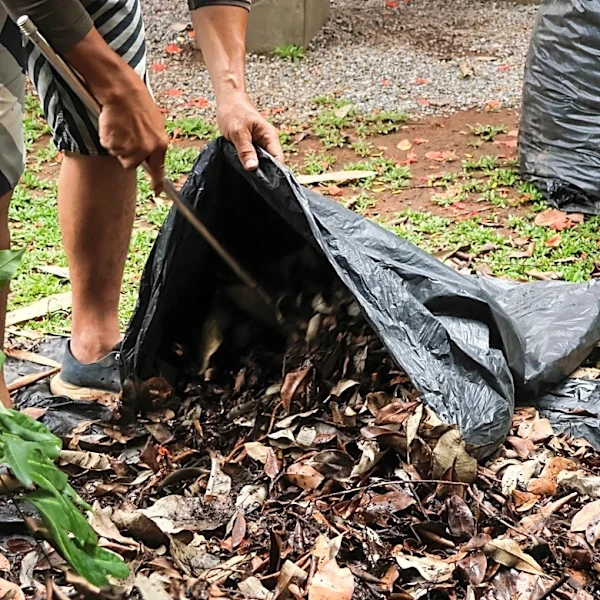
roses by October to allow rose hips to develop, signaling to the plant that it's time to slow down. Crucially, fallen leaves and any diseased or damaged lower leaves must be removed from around the base of the roses and disposed of properly, not composted, to prevent the spread of pathogens like black spot or powdery mildew. Light pruning involves removing dead, damaged, or diseased canes and trimming back tall plants by about one-third to protect them from winter winds, while hard pruning should be saved for late winter or early spring. Fertilizing should also stop in October, as new growth triggered by fertilizer would be vulnerable to winter damage. Roses still require deep watering until the ground freezes, especially if rainfall is infrequent, to ensure they are well-hydrated for dormancy.
Why It's Important?
Proper rose care in October is vital for the health and longevity of rose plants, directly impacting their performance and bloom quality in the following year. Neglecting these steps can lead to increased susceptibility to diseases, winter damage, and reduced vigor. For home gardeners, this means the difference between a thriving rose garden and one struggling with issues. Economically, healthy roses reduce the need for costly replacements and extensive treatments for diseases. The emphasis on preventative measures, such as thorough cleanup and potential fungicide application, highlights a proactive approach to plant health that can save time and resources. Furthermore, the advice to allow rose hips to form not only aids dormancy but also provides visual interest and food for local wildlife, contributing to ecological balance in residential areas.
What's Next?
As October progresses, gardeners should continue to monitor weather conditions to determine the appropriate timing for winter protection measures. While light trimming and cleanup are immediate tasks, significant winter protection, such as applying mulch or using rose collars, should be delayed until after a hard freeze to avoid interfering with the plants' natural transition into dormancy. Planning for these protective measures, especially for smaller, hybrid, or potted roses, is crucial. In the spring, gardeners will resume a different care regimen, including fertilizing and more extensive pruning, once the roses begin active growth. The success of next year's flower show largely depends on the diligent and timely execution of these October preparations, ensuring the plants are robust enough to withstand winter and flourish in the new growing season.
Beyond the Headlines
The meticulous care required for roses in October reflects a broader principle in horticulture: the importance of seasonal adaptation and preventative maintenance. This approach extends beyond individual gardens to commercial nurseries and public parks, where the health of rose collections is paramount. The practice of removing diseased leaves and avoiding composting them underscores an understanding of plant pathology and the need to break disease cycles, a concept applicable to many agricultural and ornamental crops. The balance between encouraging dormancy and providing essential hydration highlights the delicate interplay between environmental cues and plant physiology. This seasonal rhythm of care also connects gardeners to the natural world, fostering a deeper appreciation for the life cycles of plants and the subtle signals they provide for optimal health and resilience.