





What's Happening?
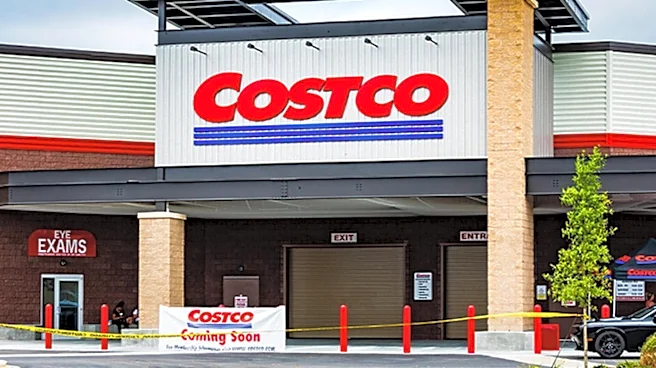
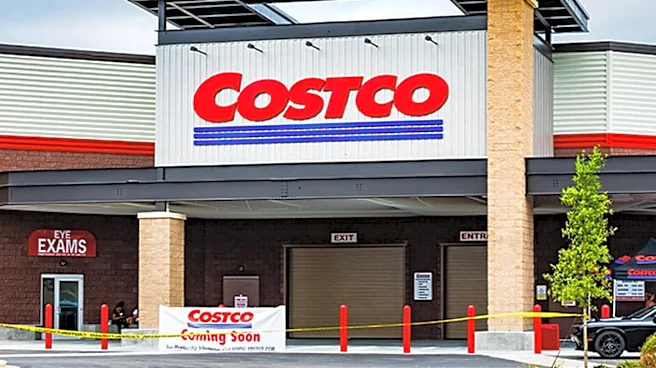
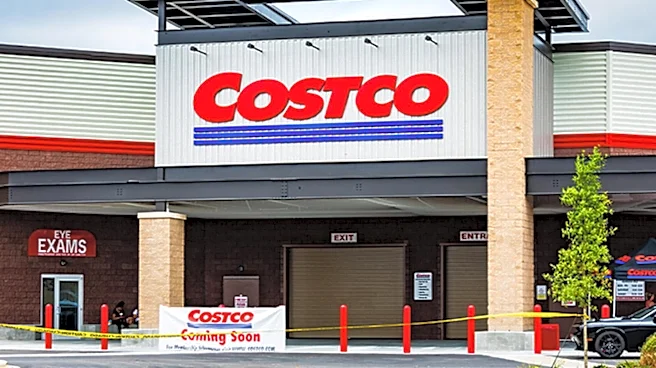
Costco CEO Ron Vachris is spearheading an aggressive expansion strategy for the wholesale retailer, with a goal of opening 30 new warehouses each year. This initiative is part of Costco's ongoing growth plans, which recently saw the opening of a new location
in Franklin, Wisconsin. This Franklin store marks the 13th Costco in the state, following recent openings in Oconomowoc and New Berlin. The company's rapid expansion reflects a commitment to increasing its physical footprint and reaching more customers across various regions. Vachris's leadership is central to this ambitious growth target, indicating a strategic push to maintain and enhance Costco's market presence in the competitive retail landscape. The focus on opening numerous new stores annually suggests a long-term vision for sustained growth and increased accessibility for its members.
Why It's Important?
This aggressive expansion strategy by Costco, under CEO Ron Vachris, is significant for several reasons. For consumers, it means increased access to Costco's bulk purchasing options and competitive pricing, potentially leading to more shopping choices and savings in new markets. For the retail sector, Costco's rapid growth could intensify competition, particularly for other big-box retailers and grocery chains, forcing them to innovate or adjust their strategies. Economically, each new warehouse represents substantial investment in local communities, creating jobs in construction, retail, and logistics, and contributing to local tax bases. This expansion also signals Costco's confidence in its business model and its ability to attract and retain members, even in a fluctuating economic environment. The consistent addition of new stores reinforces Costco's position as a dominant player in the wholesale club industry.
What's Next?
In the immediate future, Costco will continue to identify and develop sites for its planned 30 new warehouses annually, with announcements of new store locations expected across various U.S. regions. This ongoing expansion will likely involve significant capital expenditure and logistical planning to ensure smooth openings and efficient supply chains for the new facilities. Competitors will be closely monitoring Costco's market penetration and may respond with their own expansion plans, pricing adjustments, or service enhancements to retain their customer bases. Local communities anticipating new Costco stores can expect job fairs and increased economic activity as construction progresses and stores prepare for opening. The company will also need to manage the operational challenges associated with rapid growth, including staffing, inventory management, and maintaining its customer service standards across a larger network of stores.
Beyond the Headlines
Costco's sustained expansion under Ron Vachris points to a broader trend in retail where physical stores continue to play a crucial role, even amidst the rise of e-commerce. This strategy suggests that the in-person shopping experience, particularly for bulk goods and unique offerings, remains a strong draw for consumers. The company's ability to consistently open new locations and attract members highlights the enduring appeal of its membership model and value proposition. Furthermore, this expansion could have long-term implications for urban and suburban development, as large retail footprints often influence local infrastructure and traffic patterns. The commitment to such aggressive growth also raises questions about sustainability and market saturation in the long run, though for now, Costco appears confident in its ability to find new markets and maintain its growth trajectory.