




What's Happening?
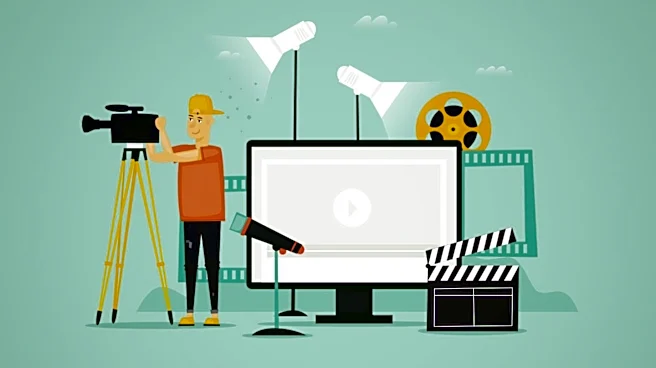
The production of animated videos, particularly for services like explainer videos, follows a structured, multi-stage process. This workflow begins with a 'discovery' phase to define the video's purpose, audience, and tone, leading to a creative brief.
Subsequently, a script is developed to convert product details into a narrative, focusing on a single main idea and supporting evidence. This script also determines the video's approximate runtime. Following script approval, a storyboard translates the narration into visual sequences, outlining character actions, camera movements, and transitions. Style frames are then created to establish the visual language, including color palettes, typography, and illustration approaches. Finally, voiceover recording provides timing and emotional direction, and artists create visual assets before animators assemble the scenes, matching movement to narration and music. This systematic approach aims to protect the message, ensure structural integrity, and maintain visual consistency throughout the production.
Why It's Important?
This structured approach to animated video production is crucial for businesses and organizations in the U.S. seeking effective communication tools. By breaking down the complex process into manageable stages, it minimizes revisions and ensures that the final product aligns with the client's objectives. For companies, this means a more efficient use of resources and a higher likelihood of achieving desired outcomes, whether it's for product launches, internal training, or technical demonstrations. The emphasis on clear communication at each stage, from script approval to style frames, helps prevent costly late-stage changes that can impact budgets and timelines. This methodology also allows for specialized expertise at each step, ensuring high-quality output that can effectively convey complex information to diverse audiences, thereby enhancing brand messaging and audience engagement.
What's Next?
As the demand for engaging digital content continues to grow, the refinement and adoption of such structured animation production workflows are likely to become more widespread. Companies will continue to seek animated video services that offer comprehensive, checkpoint-driven processes to manage their projects efficiently. Future developments may include further integration of AI tools to assist in script generation, storyboarding, or even preliminary animation, potentially streamlining some of these stages. Additionally, as visual trends evolve, animation studios will need to continuously update their style development processes to offer contemporary and effective visual languages. The focus will remain on ensuring that each stage, from discovery to delivery, contributes to a clear, impactful, and audience-appropriate final video product.
Beyond the Headlines
The systematic approach to animated video production highlights a broader trend in creative industries towards formalized project management and quality control. This methodology underscores the importance of pre-production planning in mitigating risks and ensuring successful outcomes in creative endeavors. Ethically, the emphasis on clear messaging and audience appropriateness at each stage ensures that animated content is not only engaging but also responsible and accurate. Legally, clear approval points and defined stages can help in contract management and intellectual property discussions between clients and production teams. Culturally, the choice between 2D and 3D animation, and the overall visual style, reflects and influences contemporary aesthetic preferences and communication norms, demonstrating how technical processes are intertwined with broader societal and artistic considerations.