








What's Happening?
As summer temperatures rise, dehydration becomes a significant health concern. Many people may not recognize the early signs of dehydration, which can range from mild to severe. Common indicators include bad breath, dry mouth, muscle cramps, headaches,
and dark urine. These symptoms occur because dehydration reduces saliva production, affects electrolyte balance, and can even cause temporary brain tissue shrinkage. Experts emphasize the importance of maintaining hydration to support bodily functions and prevent complications like heatstroke. The article highlights that even mild dehydration, defined as a 1% to 2% loss of body water, can impair daily functioning.
Why It's Important?
Dehydration poses a serious health risk, particularly during the hot summer months. It can lead to severe complications such as heatstroke, which can be life-threatening. Recognizing the subtle signs of dehydration is crucial for preventing these outcomes. The issue is particularly relevant for vulnerable populations, including the elderly, who may have a diminished sensitivity to thirst. Additionally, dehydration can impact productivity and quality of life by causing fatigue and impairing cognitive functions. Public awareness and education on hydration can help mitigate these risks and promote better health outcomes.
What's Next?
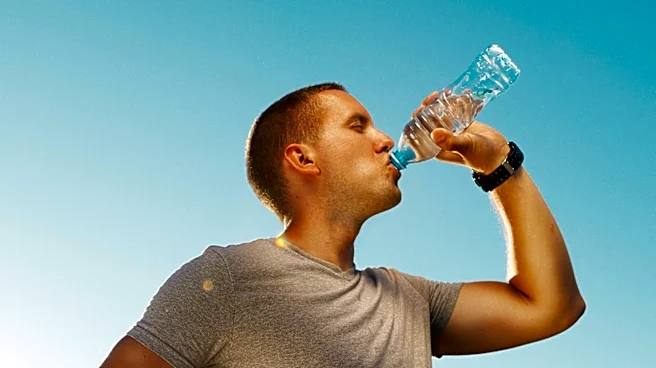
To combat dehydration, individuals are encouraged to drink fluids regularly, especially when spending time outdoors in the heat. Health professionals recommend carrying a reusable water bottle and considering alternatives like herbal teas or fruit-infused water for those who dislike plain water. Planning ahead by hydrating before outdoor activities can also help. Public health campaigns may focus on educating the public about the importance of hydration and recognizing dehydration symptoms. As awareness increases, it is expected that more people will take proactive steps to maintain adequate hydration levels.