









What's Happening?
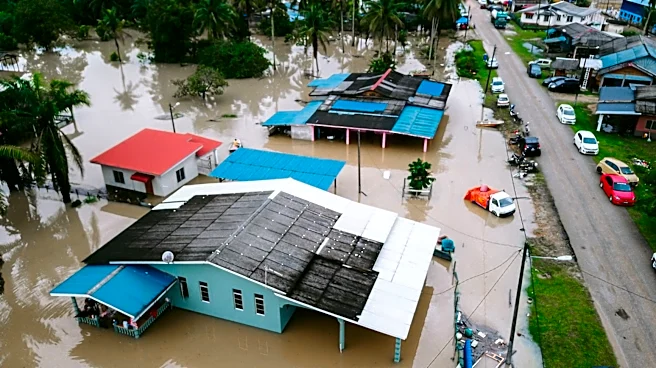
L’Oréal has announced an additional commitment of 20 million euros to its Climate Emergency Fund, extending its support through 2030. This funding is aimed at assisting communities that are particularly vulnerable to climate-related disasters such as floods,
heat waves, and fires. The announcement was made by Ezgi Barcenas, L’Oréal's chief corporate responsibility officer, during the FT Climate and Impact Summit. The fund is designed to implement preventive measures and provide emergency relief, with 70% of the new funds allocated for prevention and 30% for immediate relief efforts. L’Oréal is collaborating with local partners who utilize a combination of artificial intelligence and traditional knowledge to anticipate and mitigate the impacts of climate disasters. The company aims to apply successful strategies from these projects to its supply chain and scale them globally.
Why It's Important?
This initiative by L’Oréal underscores the growing role of private companies in addressing climate change and supporting sustainable development. By investing in vulnerable communities, L’Oréal is not only providing immediate relief but also contributing to long-term resilience against climate impacts. This move highlights the potential for businesses to fill gaps left by traditional and public funding, acting as catalysts for broader financial and humanitarian support. The company's approach of integrating innovative solutions into its operations could set a precedent for other corporations, potentially leading to more widespread adoption of sustainable practices across industries.
What's Next?
L’Oréal plans to continue evaluating the effectiveness of its funded projects, with the intention of integrating successful innovations into its global supply chain. This could lead to more sustainable business practices and influence other companies to adopt similar strategies. The company’s ongoing commitment to climate action may also encourage further investment from other sectors, enhancing the overall impact of such initiatives. Stakeholders, including investors and community leaders, will likely monitor the outcomes of these projects to assess their scalability and effectiveness in mitigating climate risks.