





What's Happening?
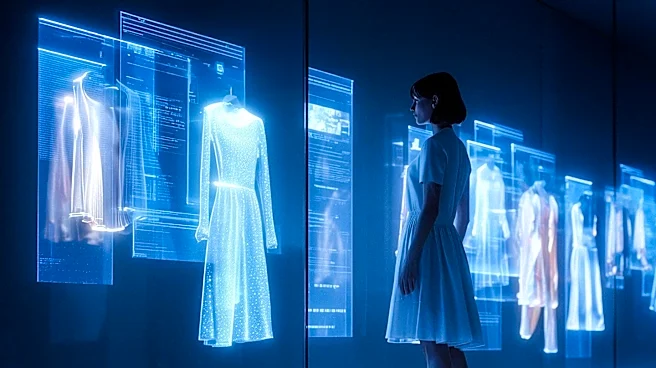
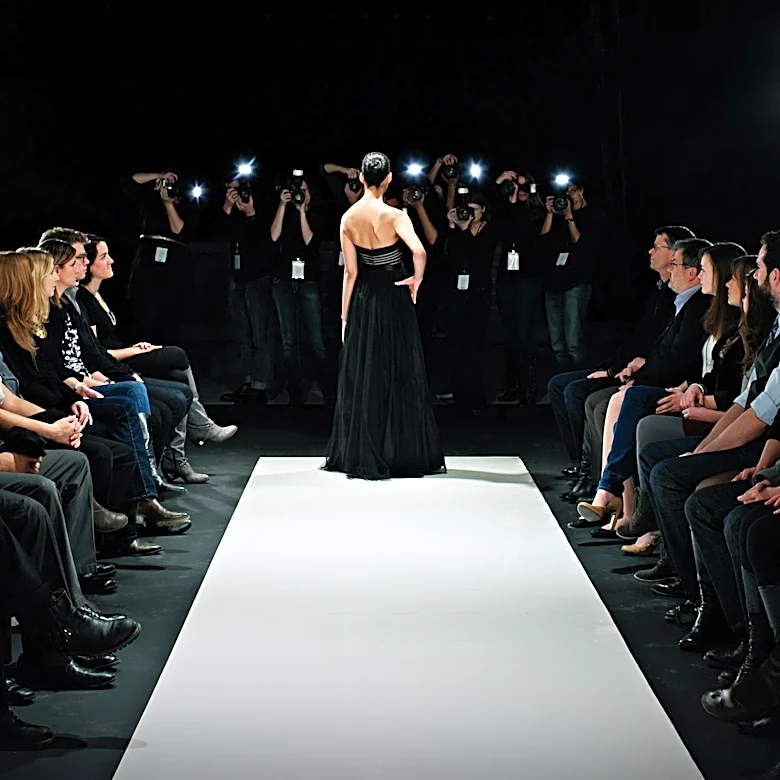
The fashion industry is increasingly adopting video as its primary language for communication, moving away from traditional still photographs and magazine articles. This shift is driven by video's ability to capture movement, texture, and personality
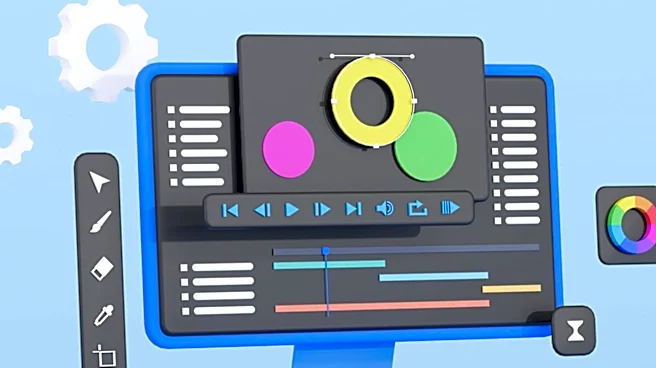
that static images cannot convey. Online video editing tools have made professional-level video creation accessible to designers, stylists, bloggers, and small brands, even with limited budgets and short timeframes. These tools allow for cost-effective production of style guides, lookbooks, and other production-driven content, enabling independent designers and student labels to compete. Brands are now expected to deliver video content that shows how garments drape on different body types and how outfits appear in daily contexts, building trust with consumers more effectively than static images.
Why It's Important?
This evolution in fashion storytelling has significant implications for U.S. industries, particularly in retail, marketing, and technology. The increased demand for video content creates opportunities for video editing software providers, content creators, and digital marketing agencies. For fashion brands, embracing video is crucial for maintaining relevance and engaging a digitally native audience. Those who fail to adapt risk falling behind competitors who effectively utilize video to showcase their collections. The accessibility of online editing tools also democratizes the industry, allowing smaller brands and independent designers to reach a wider audience without the prohibitive costs associated with traditional media campaigns. This shift impacts consumer behavior, as shoppers increasingly rely on video to make purchasing decisions, influencing how products are presented and perceived.
What's Next?
The trend towards video in fashion is expected to continue, with further advancements in editing technology and increased integration across all platforms. Brands will likely invest more in in-house video production capabilities or partnerships with specialized agencies. The focus will remain on creating short, purposeful clips optimized for social media, with attention to detail shots, captions, and appropriate music. There will also be a continued emphasis on building consistent visual identities through color grading, typography, and aspect ratios across all video content. Collaboration tools that facilitate remote editing and project sharing will become more prevalent, supporting geographically dispersed teams. The industry will also explore how digital content creation can contribute to sustainability by reducing the need for physical samples and printed catalogs.
Beyond the Headlines
The shift to video in fashion extends beyond mere marketing; it represents a fundamental change in how fashion is consumed and perceived. Ethically, it raises questions about authenticity and the potential for digital manipulation to create unrealistic portrayals of garments and models. Culturally, it reflects a broader societal move towards visual, dynamic content consumption, particularly among younger demographics. Legally, issues of copyright for music and model permissions in video content will become increasingly important. This digital transformation also highlights the growing importance of accessibility, as brands strive to make their content consumable by a wider audience, including those who watch without sound. Ultimately, the embrace of video signifies a long-term shift towards a more immersive, interactive, and globally connected fashion experience.