


What's Happening?
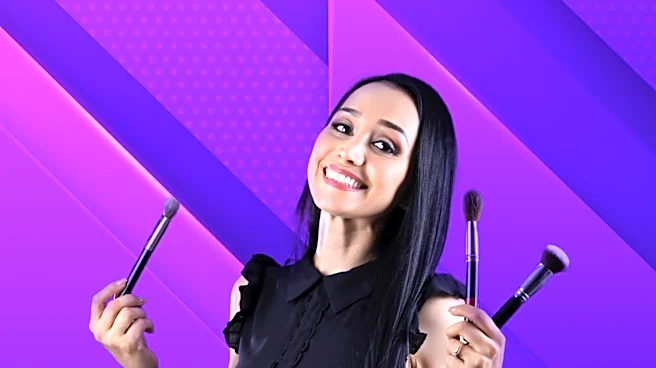
LYNA, a women's health and nutrition app, is actively recruiting influencers and content creators to partner in promoting its platform, specifically targeting women navigating perimenopause. The company is seeking individuals who create content around
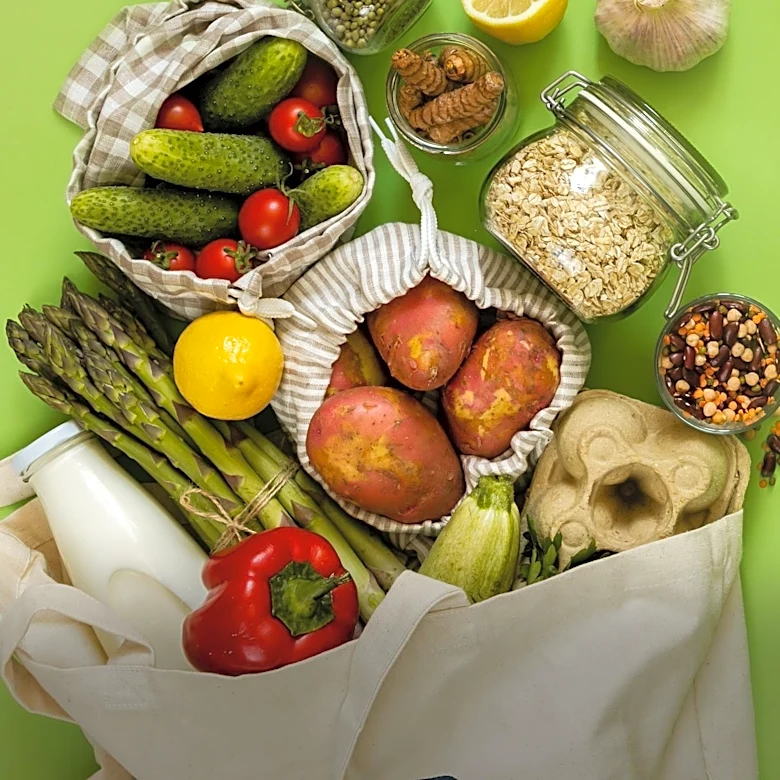
hormones, nutrition, wellness, fitness, healthy aging, or women's health. Ideal candidates include perimenopause or menopause creators, health coaches, nutrition professionals, personal trainers, educators, and community leaders with engaged audiences of women aged 35 and above. This commission-based partnership requires influencers to create authentic, educational content across various platforms such as Instagram, TikTok, YouTube, LinkedIn, podcasts, and newsletters. Partners will introduce LYNA to their audience, share personal perspectives or professional expertise, educate on the connection between nutrition, hormonal health, and perimenopause, and demonstrate how the app fits into daily life. LYNA emphasizes building ongoing relationships rather than one-off sponsored posts and values authenticity, relevance, and meaningful engagement over follower count.
Why It's Important?
This initiative by LYNA highlights a significant trend in the health and wellness industry: the increasing reliance on influencer marketing to reach niche demographics, particularly in sensitive and underserved areas like women's hormonal health. By targeting perimenopause, LYNA addresses a critical life stage for many women, offering personalized, evidence-informed nutrition and cycle tracking. The commission-based model incentivizes genuine advocacy and long-term partnerships, potentially fostering a more trusted relationship between the brand, influencers, and their audiences. This approach can democratize access to health information and support, as influencers often provide relatable and accessible content that traditional healthcare providers might not. For the U.S. market, where women's health issues, especially those related to menopause, are gaining more attention, this strategy could lead to increased awareness and adoption of digital health solutions. It also creates economic opportunities for content creators specializing in women's health, allowing them to monetize their expertise and audience engagement.
What's Next?
LYNA will continue to evaluate and onboard perimenopause influencers and content creators who align with their mission and audience. Successful partnerships will likely lead to increased brand visibility and user acquisition for the LYNA app. The company will provide marketing support and product education to its partners, ensuring consistent and accurate messaging. As more influencers join, LYNA's reach within the perimenopause community is expected to expand, potentially establishing the app as a leading resource in this specialized health sector. The emphasis on long-term relationships suggests that LYNA aims to build a robust network of advocates who can continuously engage their communities. Future developments might include expanding the app's features based on user and influencer feedback, or exploring new content formats and platforms to further educate and support women through perimenopause. The success of this model could also inspire other health tech companies to adopt similar influencer-driven strategies for specific health conditions.
Beyond the Headlines
The recruitment of perimenopause influencers by LYNA touches upon deeper societal and ethical considerations regarding health information dissemination and the role of digital platforms. While influencers can provide relatable content and foster community, there's an inherent responsibility to ensure that health advice is accurate, evidence-based, and does not make unsubstantiated medical claims. LYNA's explicit statement that it is a wellness app, not a medical device, and that partners must communicate responsibly, underscores this ethical challenge. This trend also reflects a growing consumer preference for personalized and accessible health information outside traditional medical settings, driven by the perceived shortcomings of conventional healthcare in addressing specific women's health concerns. The rise of specialized health influencers highlights a shift in trust from institutional authorities to peer-like figures, raising questions about the regulation and oversight of health content in the digital age. Ultimately, this model could empower women with more information, but it also necessitates critical evaluation of the sources and claims made by digital health advocates.