




What's Happening?
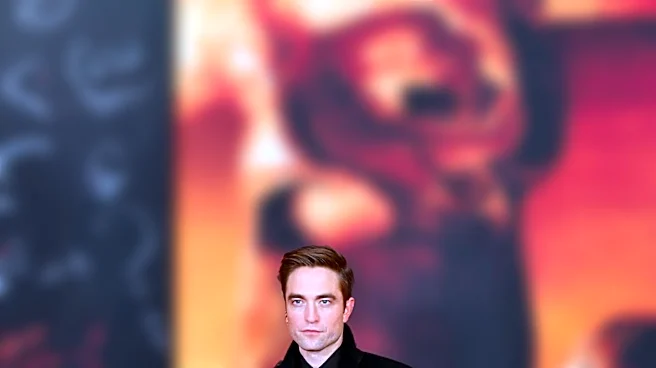
Chris Hansen, former host of 'To Catch a Predator,' declined to sign a non-disclosure agreement (NDA) presented by A24, preventing him from viewing an early screening of 'Primetime,' a film in which Robert Pattinson portrays him. Hansen stated in an interview
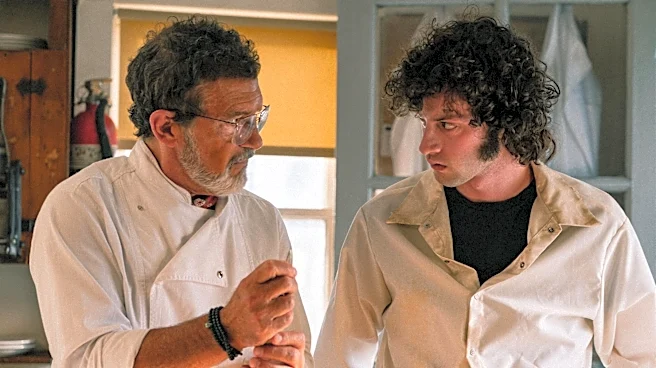
with Fox News that A24's lawyers requested he sign away rights to his name, image, brand, and any potential legal rights stemming from the movie. He described the agreement as 'very restrictive' and unlike anything he had encountered before. Despite traveling to the screening, Hansen refused to sign the document, leading to him being turned away. He noted that other individuals had reportedly seen the film without signing an NDA, raising questions about the specific demands placed on him. The film, directed by Lance Oppenheimer, is scheduled to open in theaters on September 25, 2026, and is described as a dramatized and fictionalized account of Hansen's work.
Why It's Important?
This incident highlights potential conflicts between individuals whose lives or work are depicted in media and the production companies creating those works. Hansen's refusal to sign the NDA underscores the importance of intellectual property rights and personal branding for public figures. The dispute raises questions about the standard practices of film studios when portraying real individuals, particularly when those individuals have not explicitly authorized or collaborated on the project. For A24, the situation could draw attention to their contractual practices, especially if the film's portrayal of Hansen is perceived negatively by him or the public. The controversy could also influence public perception of 'Primetime' and its authenticity, potentially affecting its reception upon release. This scenario also brings to light the challenges faced by individuals in protecting their personal and professional identities when they become subjects of fictionalized narratives.
What's Next?
The film 'Primetime' is set to be released on September 25, 2026. It remains to be seen how Chris Hansen will react to the film once it is publicly available, given his current inability to view it and his concerns about its fictionalized nature. His previous comments suggest he believes his name is being used for commercial enterprise, and he has expressed a desire to make his own film about 'To Catch a Predator.' The public's reaction to the film and any further statements from Hansen or A24 regarding the NDA dispute could shape the narrative surrounding the movie. The situation may also prompt further discussions within the entertainment industry about the ethical considerations and legal frameworks surrounding the portrayal of real-life figures, particularly when their direct involvement or consent is limited.
Beyond the Headlines
The dispute between Chris Hansen and A24 delves into the complex ethical and legal landscape surrounding biographical films and the rights of individuals whose stories are told. It raises questions about the extent to which a public figure can control their narrative when it becomes the subject of a creative work, especially when that work is fictionalized. The concept of a 'very restrictive agreement' that seeks to sign away rights to name, image, and brand touches upon broader issues of intellectual property and personal autonomy in the digital age. This incident could set a precedent or at least spark a conversation about the balance between artistic freedom and the rights of individuals to protect their identity and legacy. It also highlights the power dynamics between large production studios and individuals, particularly when the individual is not directly involved in the production process.