



What's Happening?
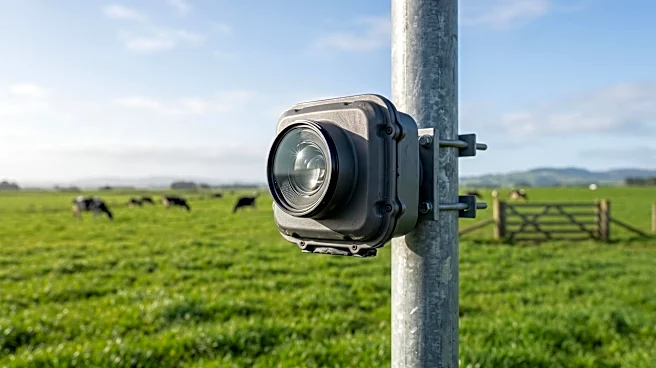
Agritech company Herd-i is expanding its AI-powered cow monitoring technology into the United States, following significant growth in New Zealand. The technology, commercialized in 2021, uses cameras to monitor cows daily as they leave the dairy shed.
Artificial intelligence then identifies early signs of lameness and provides automated body condition scores. This system aims to improve herd health and productivity by enabling earlier detection and treatment of issues. In New Zealand, the number of cows monitored by Herd-i has more than doubled in the past year, now covering 145,000 cows on 130 farms. One farmer, Heine Cronje, reported a drastic reduction in lameness cases on his farm, from 400 cows in the first year of using the technology to just 30 in the third year, leading to significant time savings and reduced animal health costs. Herd-i has appointed Nicole Mozeliak as CEO for its U.S. operations and a senior vice-president of sales to support its growth in the American market.
Why It's Important?
The expansion of AI cow monitoring technology into the U.S. dairy industry signifies a growing trend towards precision agriculture and data-driven farm management. This technology offers substantial benefits for American dairy farmers, including improved animal welfare through early detection of health issues like lameness, which can prevent minor problems from escalating into serious conditions. By reducing the incidence of lameness and other health problems, farmers can expect lower veterinary costs, decreased medication use, and increased productivity from healthier herds. The time-saving aspect of automated monitoring also allows farmers to reallocate labor to other critical tasks, enhancing overall operational efficiency. Furthermore, the adoption of such technology aligns with increasing consumer demand for sustainable and ethical farming practices, potentially boosting the market competitiveness of U.S. dairy products. The Livestock Monitoring segment in AI agriculture is projected to grow at a CAGR of 22.8%, indicating a significant market shift towards these advanced solutions.
What's Next?
Herd-i's immediate next steps involve establishing its presence and expanding its customer base within the U.S. dairy market. The company has already appointed key leadership, including a U.S. CEO and a senior vice-president of sales, to drive this expansion. This will likely involve direct engagement with dairy farmers, demonstrations of the technology's benefits, and building a support infrastructure for U.S. clients. As more U.S. farms adopt this technology, there could be a ripple effect, encouraging broader industry adoption as success stories emerge. The growth of AI in agriculture, particularly in livestock monitoring, suggests that other agritech companies may also increase their focus on the U.S. market, leading to increased competition and further innovation in this sector. Farmers can anticipate more sophisticated tools becoming available to optimize herd health and farm management.
Beyond the Headlines
The integration of AI into livestock management extends beyond immediate economic benefits, touching upon broader ethical and environmental considerations. By enabling earlier detection of animal health issues, AI technology can significantly enhance animal welfare, addressing concerns from consumers and advocacy groups about the treatment of farm animals. This proactive approach to health management can lead to a reduction in the use of antibiotics, contributing to efforts to combat antibiotic resistance, a major public health concern. Environmentally, healthier herds can be more productive, potentially reducing the overall environmental footprint per unit of output. The data collected by these systems could also provide valuable insights for genetic selection and breeding programs, leading to more resilient and healthier livestock populations in the long term. This technological shift represents a move towards a more sustainable and ethically conscious agricultural industry.