








What's Happening?
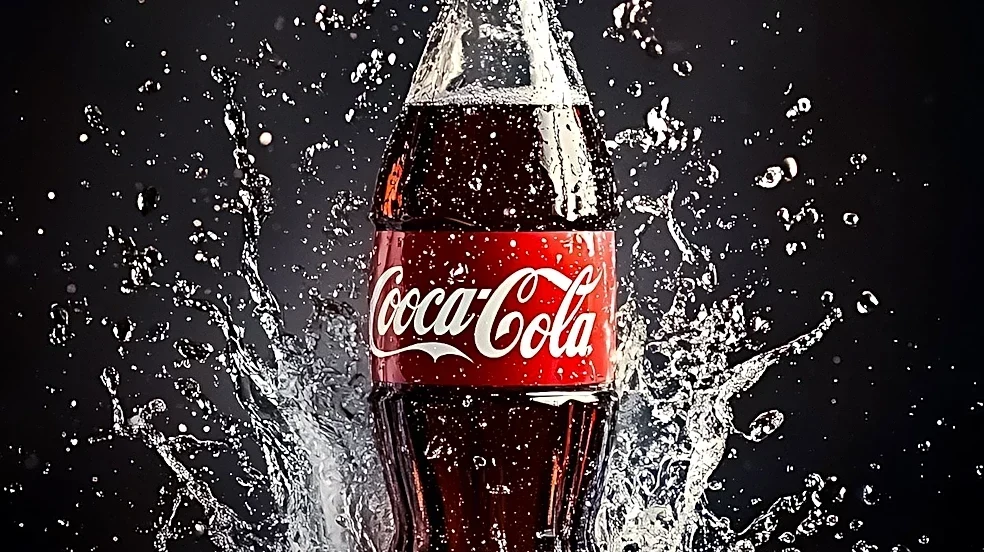
The Coca-Cola Company is conducting a pilot program to test prebiotic versions of three of its popular soda brands: Coke Zero Sugar, Sprite Zero Sugar, and Fresca. These new versions will contain 6 grams of prebiotic fiber per can and are being introduced
in specific areas of New York, New Jersey, and Pennsylvania. This initiative positions these beverages as alternatives to traditional sugar sodas, aiming to appeal to consumers interested in digestive health benefits. The company is evaluating how these new products perform in the market, considering whether they attract new customers, retain existing ones who might switch from other brands, or encourage additional purchases from current Coca-Cola consumers. This move follows a broader trend in the beverage industry towards functional drinks that offer health-related benefits beyond basic hydration or taste.
Why It's Important?
This pilot program by Coca-Cola is significant for the U.S. beverage industry as it reflects a growing consumer demand for functional foods and beverages, particularly those offering gut health benefits. The introduction of prebiotic sodas by a major player like Coca-Cola could accelerate the mainstream adoption of such products, potentially shifting market dynamics. If successful, it could lead to a wider rollout, influencing product development across the industry and prompting competitors to introduce similar offerings. This trend also highlights a strategic pivot for established beverage companies, moving beyond traditional sugary drinks to cater to health-conscious consumers. The outcome of this test will provide valuable insights into consumer acceptance of 'healthier' soda alternatives and their willingness to integrate such products into their daily routines, impacting future investment and innovation in the functional beverage sector.
What's Next?
The Coca-Cola Company will closely monitor the performance of its prebiotic soda pilot in New York, New Jersey, and Pennsylvania. The company will analyze sales data and consumer feedback to determine the success of these new offerings. Key metrics will likely include whether these products are driving new sales, retaining customers who might otherwise switch to competitor brands like OLIPOP, or encouraging existing customers to make additional purchases. Depending on the results, Coca-Cola may decide to expand the distribution of these prebiotic sodas to more U.S. markets or refine the product formulations. This pilot could also influence the company's broader strategy for incorporating functional ingredients into its product portfolio, potentially leading to more health-focused innovations across its various brands in the future.
Beyond the Headlines
The introduction of prebiotic sodas by Coca-Cola delves into the evolving consumer perception of 'health' in beverages. While traditional sodas have faced scrutiny for their sugar content, the addition of prebiotic fiber attempts to reframe these drinks as beneficial. This raises questions about the efficacy of such additions in a product category historically associated with less healthy choices. It also highlights a broader industry trend where companies are trying to infuse health benefits into indulgent products, potentially blurring the lines between 'treat' and 'wellness' items. The success of these prebiotic sodas could influence dietary recommendations and public health messaging, as consumers might perceive these products as a shortcut to fiber intake rather than focusing on whole food sources. This development also underscores the ongoing challenge for food and beverage companies to innovate while maintaining brand identity and addressing consumer health concerns.