

What's Happening?
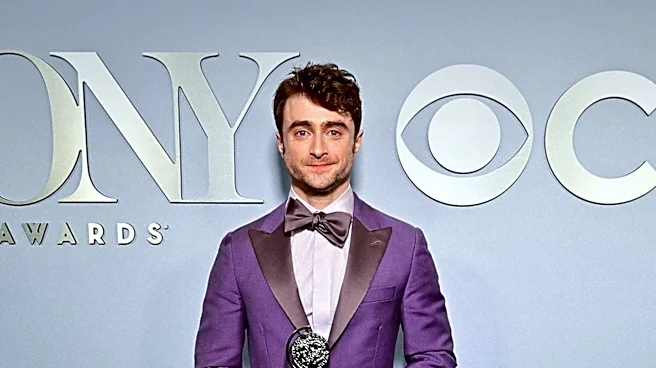
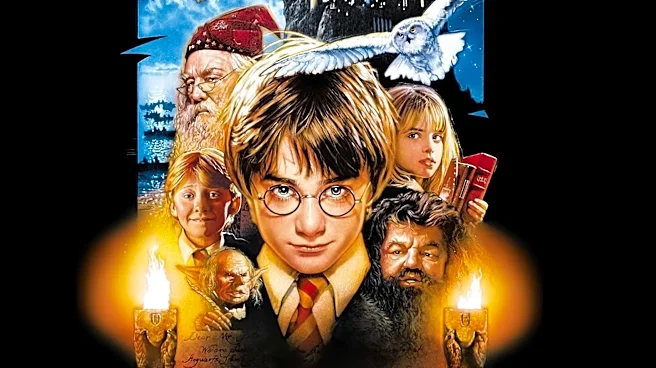
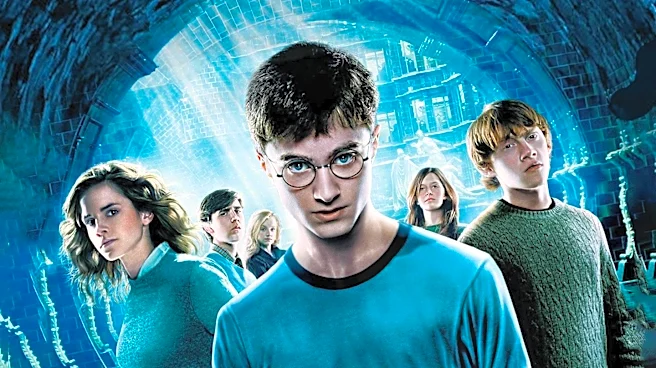
Rupert Grint, known for his role as Ron Weasley in the 'Harry Potter' films, has commented on the possibility of Daniel Radcliffe and Emma Watson reprising their roles as Harry Potter and Hermione Granger. Grint, who is returning to the franchise in the stage
play 'Harry Potter and the Cursed Child,' was asked by Collider about a potential reunion of the original trio on stage. He stated that it 'would be fun' but acknowledged that the decision is 'obviously different for everyone.' Grint reflected on the intensity of their time filming the movies, mentioning that he enjoyed stepping away from it after completion. He also lightheartedly suggested he might make some calls to his former co-stars about joining him on the Broadway stage. The article notes that Radcliffe and Watson currently have a strained relationship with author J.K. Rowling due to her views on the trans community, which may influence their decision to return. While Grint and Tom Felton (Draco Malfoy) have returned for the stage play, it appears unlikely that Radcliffe and Watson intend to do so.
Why It's Important?
The potential return of Daniel Radcliffe and Emma Watson to the 'Harry Potter' franchise holds significant importance for fans and the entertainment industry. Their involvement would likely generate immense public interest and box office success, given their iconic status as the original portrayers of Harry and Hermione. A reunion could reignite enthusiasm for the franchise, potentially boosting viewership for the upcoming 'Harry Potter' series on HBO Max, which is set to feature a new cast. However, their reported strained relationship with J.K. Rowling introduces a complex dynamic, highlighting broader discussions within the entertainment industry regarding creators' views and actors' public stances. Their decision, whether to return or not, could influence future casting choices for beloved franchises and set precedents for how actors navigate their past roles in light of evolving social and political landscapes. For Warner Bros. and HBO Max, securing their involvement would be a major coup, while their absence would necessitate a greater focus on building excitement around the new cast.
What's Next?
While Rupert Grint has expressed a desire for a reunion, there are no immediate plans for Daniel Radcliffe and Emma Watson to return to their 'Harry Potter' roles. The upcoming 'Harry Potter' series on HBO Max is confirmed to feature a completely new cast, with the exception of Warwick Davis, who will reprise his role as Filius Flitwick. The first season of the series is scheduled to premiere on December 25 on HBO Max. Grint's playful suggestion of calling his co-stars indicates a personal hope rather than a concrete development. Future discussions about Radcliffe and Watson's involvement would likely depend on various factors, including potential script offerings, their personal and professional commitments, and any shifts in their relationship with J.K. Rowling or the franchise's producers. For now, fans will have to anticipate the new series with its fresh cast, while the possibility of the original trio reuniting remains a speculative, albeit exciting, prospect.
Beyond the Headlines
The discussion surrounding Daniel Radcliffe and Emma Watson's potential return to the 'Harry Potter' universe extends beyond mere casting decisions, touching upon broader themes of artistic integrity, personal values, and the legacy of beloved franchises. Their reported tension with J.K. Rowling over her views on the trans community highlights the increasing intersection of social activism and celebrity careers. Actors are often faced with decisions that weigh their professional opportunities against their personal convictions, and their choices can significantly impact public perception and the cultural relevance of a franchise. This situation also underscores the challenges faced by studios in navigating complex relationships between creators, actors, and fan bases in an era of heightened social awareness. The 'Harry Potter' franchise, with its themes of acceptance and diversity, faces a unique challenge in maintaining its appeal while addressing the differing viewpoints of its key figures. The long-term implications could influence how future adaptations of popular works handle similar ethical and social dilemmas, potentially leading to more explicit contractual clauses or public relations strategies to manage such conflicts.