







What's Happening?
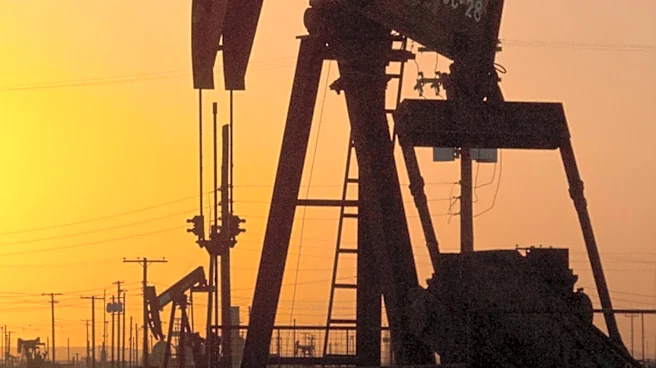
Recent hostilities between the United States and Iran have led to a significant increase in crude oil prices, marking the largest weekly gain in months. This surge is attributed to heightened concerns over energy security and potential disruptions to global
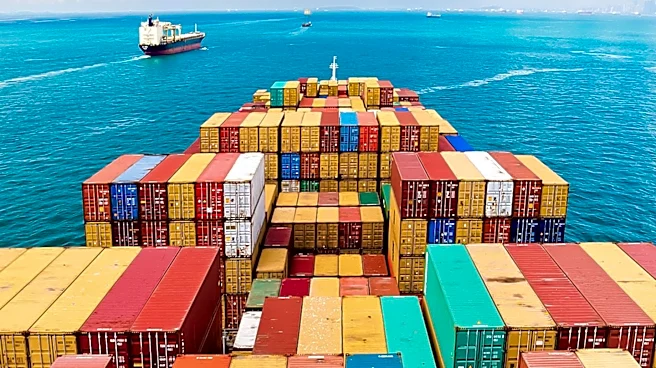
shipping routes, particularly the Red Sea and the Strait of Hormuz. These corridors are crucial for the global oil and refined product trade. The market's reaction underscores a shift in focus from actual production losses to the potential for future supply disruptions. This change in market psychology suggests that geopolitical tensions are increasingly influencing oil prices, with investors now placing a higher value on energy security and supply reliability.
Why It's Important?
The renewed focus on geopolitical risks in oil pricing highlights the fragile nature of global energy security. As tensions between the U.S. and Iran escalate, the possibility of disrupted supply routes could lead to increased shipping costs, higher insurance premiums, and greater uncertainty in the global supply chain. This situation could have significant implications for the U.S. economy, affecting everything from fuel prices to broader economic stability. Energy companies and investors may need to reassess their strategies, considering the potential for sustained geopolitical risk premiums in oil markets. This development could also influence U.S. foreign policy and energy independence strategies.
What's Next?
If geopolitical tensions persist, the oil market may continue to experience volatility, with prices potentially remaining elevated due to the perceived risk of supply disruptions. Stakeholders, including governments and energy companies, may need to invest in more resilient infrastructure and diversified supply chains to mitigate these risks. Additionally, diplomatic efforts to de-escalate tensions could play a crucial role in stabilizing the market. The U.S. government and international partners might engage in negotiations to ensure the security of critical shipping routes, which could help alleviate market fears and stabilize prices.