







What's Happening?
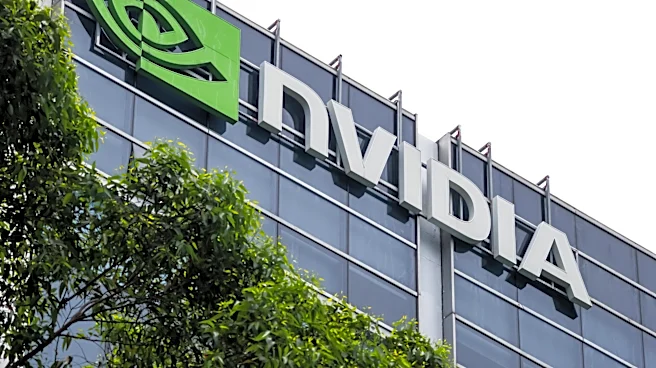
Jensen Huang, co-founder and CEO of NVIDIA, a leading chip manufacturer crucial for artificial intelligence, experienced a significant shift in his public standing. Previously recognized as one of the most influential business leaders globally, his reputation
was dramatically impacted following disclosures of a personal relationship with a woman suspected by U.S. intelligence officials to be an asset of Chinese intelligence. This development occurred after he had gained widespread fame due to the increasing prominence of artificial intelligence and NVIDIA's critical role in the sector. An interview conducted with Huang in 2009, before AI became a dominant global conversation, discussed NVIDIA, graphics processing technology, and the future of computing.
Why It's Important?
This situation underscores the heightened scrutiny faced by leaders in critical technology sectors, particularly those involved in areas with national security implications like artificial intelligence. For U.S. industries, the integrity and perceived loyalty of executives in companies like NVIDIA are paramount, given the strategic importance of their products. Any association with foreign intelligence concerns can lead to significant reputational damage, potential loss of trust from government and business partners, and increased regulatory oversight. This event highlights the delicate balance executives must maintain between personal lives and professional responsibilities, especially when their companies are at the forefront of technological advancements that impact national security and economic competitiveness.
What's Next?
The long-term implications for Jensen Huang's career and NVIDIA's public image remain to be fully seen. Such disclosures can trigger internal investigations, changes in corporate governance, and potentially affect investor confidence. For the broader U.S. tech industry, this incident may lead to increased vigilance regarding the personal associations of key executives, particularly those with access to sensitive technologies or information. Companies might implement stricter protocols for executive conduct and relationships, especially concerning individuals from countries identified as strategic competitors. The event could also fuel ongoing debates about the intersection of personal privacy, corporate security, and national interests in the technology sector.
Beyond the Headlines
This incident touches upon the complex and often opaque world of intelligence and counterintelligence, where personal relationships can become points of vulnerability for individuals in positions of power and influence. It raises questions about the extent to which intelligence agencies monitor the private lives of prominent figures in critical industries and the criteria used to label individuals as 'assets.' The case also highlights the geopolitical competition in technology, particularly in AI, where nations are vying for dominance. The perceived compromise of a key figure in a leading AI chip company could be interpreted as a strategic gain for a rival nation, regardless of the actual impact on corporate operations or intellectual property. This situation underscores the increasing pressure on tech leaders to navigate a complex landscape of global competition and national security concerns.