



What's Happening?
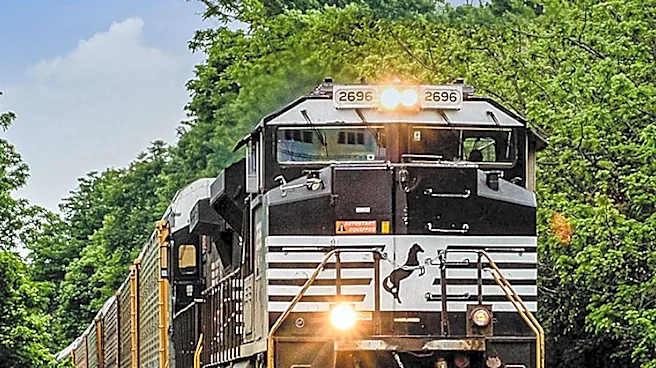
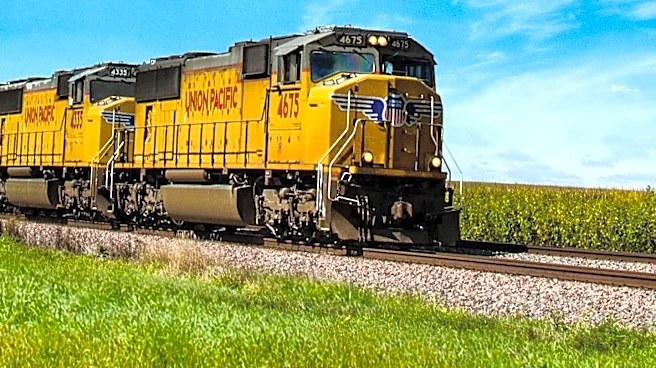
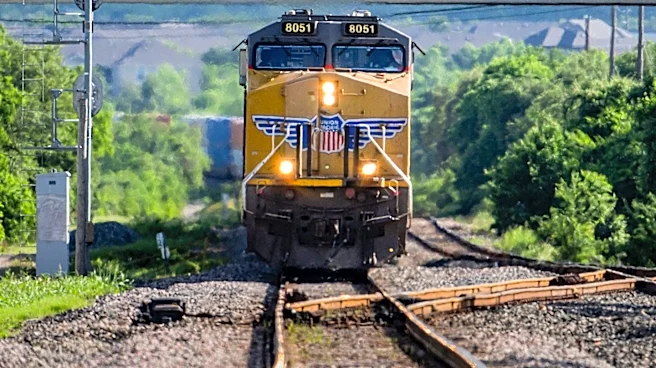
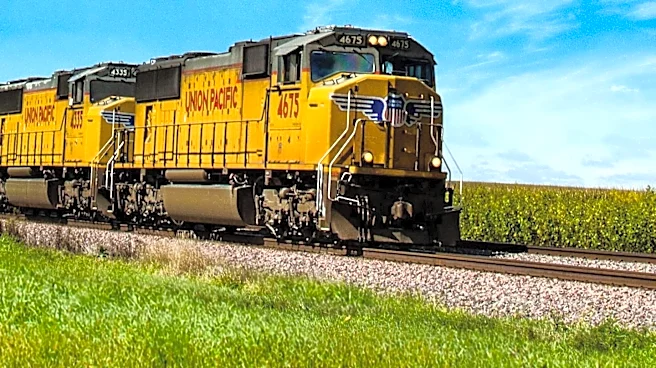
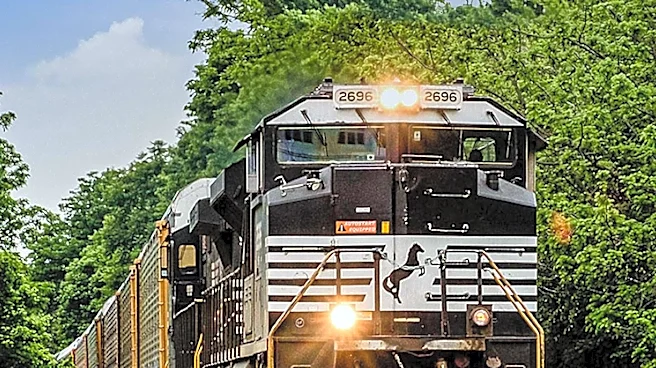
Union Pacific CEO Jim Vena and Norfolk Southern CEO and President Mark George recently spoke at RailTrends 2026 in New York, emphasizing the critical need for a simpler, more reliable, and easier-to-use rail network in the United States. Their remarks
come nearly a year after filing their merger application with the Surface Transportation Board (STB) in July 2025. The proposed combination aims to create America's first single-line transcontinental railroad, connecting over 50,000 route miles across 43 states. This initiative is designed to address customer priorities by offering seamless service, clearer accountability, and a streamlined shipping experience from origin to destination. The companies have engaged with various stakeholders, including customers, labor organizations, and policymakers, to enhance their merger application, which now includes customer protections exceeding those in previous rail mergers. The application is supported by actual traffic data from all six North American Class I railroads, a planned $2 billion integration investment, and over 2,000 letters of stakeholder support.
Why It's Important?
The proposed merger between Union Pacific and Norfolk Southern holds significant implications for the U.S. transportation sector and economy. By creating a single-line transcontinental railroad, the companies anticipate converting approximately 2.1 million truckloads annually from highways to rail. This shift is projected to generate around $3.5 billion in annual shipper savings by moving freight from higher-cost trucking to more economical rail transport. The initiative aims to expand transportation options for customers and enhance rail's competitiveness for long-haul freight, ultimately benefiting businesses and consumers through reduced shipping costs and improved efficiency. The CEOs argue that a more connected and capable rail network will open new product offerings for customers not currently utilizing railroads, including traffic within watershed areas and long-haul truck freight. This strategic move is positioned as a way to strengthen the U.S. economy by fostering a more robust and environmentally responsible freight transportation system.
What's Next?
Following nearly a year of stakeholder engagement since their merger application in July 2025, Union Pacific and Norfolk Southern are awaiting a decision from the Surface Transportation Board (STB). The companies have committed to a series of customer, employee, and network enhancements as part of their proposed combination. These include expanded customer protections, service level guarantees, stronger oversight, and 'jobs-for-life' agreements for all union employees working at the time of the merger. Additionally, a planned $2 billion investment will support technology, capacity, and terminal improvements across the integrated network. The focus will now be on the STB's review process and the potential for regulatory approval, which would pave the way for the integration of the two rail giants. If approved, the implementation of these commitments and the realization of the projected benefits, such as the shift of truckloads to rail and shipper savings, will be closely monitored.
Beyond the Headlines
The proposed merger between Union Pacific and Norfolk Southern represents a significant shift in the competitive landscape of U.S. freight transportation, moving beyond traditional rail-on-rail competition to directly challenge the trucking industry. This strategic pivot, highlighted by Norfolk Southern CEO Mark George, suggests a long-term vision for rail to capture a greater share of long-haul freight by offering a more integrated and user-friendly service. The emphasis on 'simpler, more reliable, and easier to do business with' rail service reflects a broader industry trend towards customer-centric solutions. Furthermore, the environmental benefits of shifting freight from highways to rail, which is considered a more environmentally responsible mode of transport, could contribute to national sustainability goals. The 'jobs-for-life' agreements for union employees also signal a proactive approach to labor relations, potentially setting a precedent for future large-scale mergers in critical infrastructure sectors.