






What's Happening?
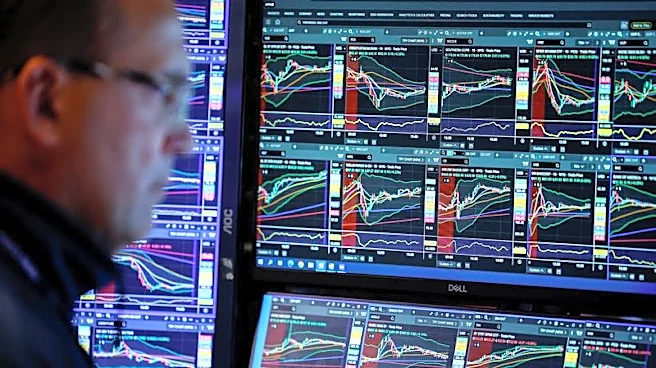
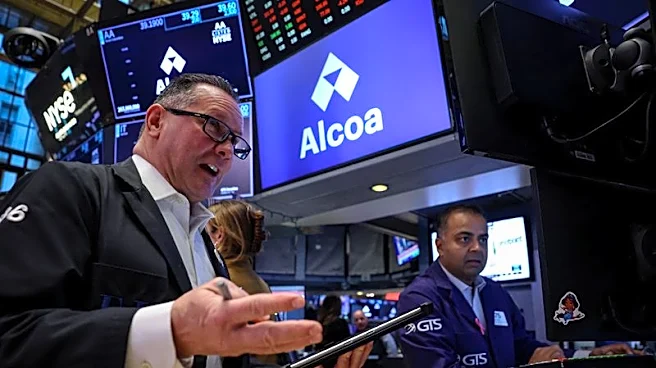
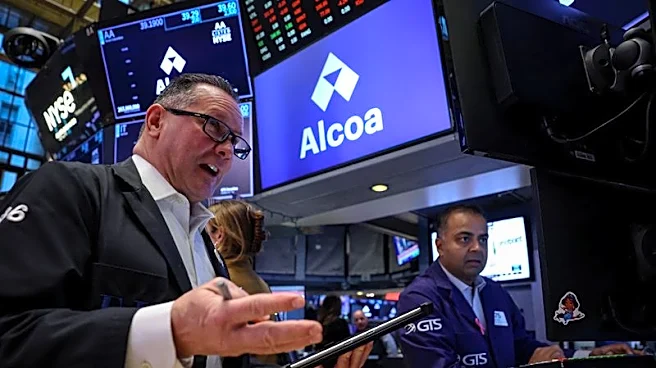
Tech stocks, including major players like Meta, Microsoft, Nvidia, Salesforce, and Snowflake, experienced a substantial selloff on Thursday, marking the biggest daily drop for the Nasdaq since April 2025. The tech-heavy Nasdaq fell over 5.2%, shedding
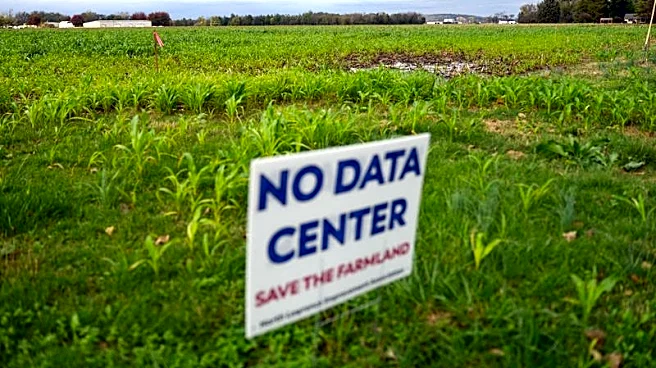
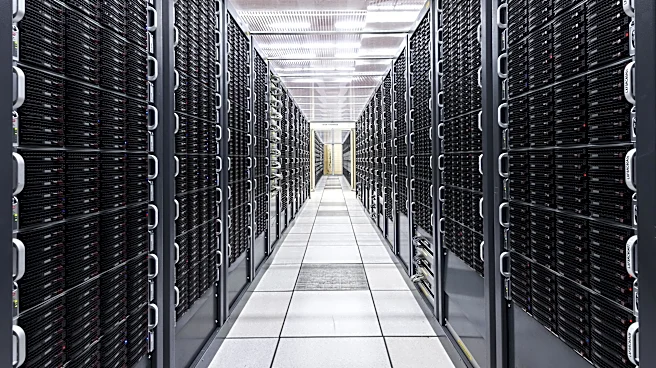
more than $3 trillion in market capitalization. This downturn followed Wednesday's rally, which was prompted by the Democratic Party retaking the Senate and House of Representatives in the midterm elections. A key factor contributing to the selloff was the overwhelming approval by voters of candidates and ballot measures aimed at curtailing the construction of AI data centers in the U.S. This political shift has led investors to believe that the rapid expansion of AI data centers, a significant driver of the U.S. economy over the past two years, will slow down considerably. Meta President Dina Powell McCormick acknowledged that building data centers in the U.S. will become more challenging, prompting hyperscalers to consider building outside the country. Analyst Dan Ives of Yorkville Ives now anticipates that the tech industry's capital expenditure growth will peak next year, earlier than previously projected.
Why It's Important?
The widespread selloff in tech stocks signals a significant shift in investor sentiment regarding the future pace of the AI boom in the U.S. The curtailment of AI data center buildouts, driven by recent midterm election results, directly impacts companies that have invested hundreds of billions in chips, computers, networking gear, land, energy, and construction for these facilities. This slowdown could affect the growth trajectories of major tech companies like Alphabet, Microsoft, Amazon, Meta, and Oracle, as well as emerging 'neocloud' companies that have taken on substantial debt for data center development. The semiconductor industry, a primary beneficiary of AI infrastructure investment, is particularly vulnerable, with companies like Micron and AMD experiencing significant drops. The potential moderation of capital expenditure growth in the tech sector could have broader implications for the U.S. economy, which has seen the data center spree as a key engine of growth. Investors are now re-evaluating the long-term profitability and expansion capabilities of these tech giants within a more restrictive domestic environment.
What's Next?
The immediate future will likely see tech companies re-evaluating their investment strategies for AI data centers within the U.S. Meta President Dina Powell McCormick's comments suggest that hyperscalers may increasingly look to build data centers outside the United States to hedge their substantial investments, potentially shifting capital and job creation overseas. Analyst Dan Ives predicts that 10% to 20% of planned AI-focused data centers in the U.S. could be removed from roadmaps or face prolonged regulatory hurdles, particularly in states like Texas. This will likely lead to a moderated growth rate in capital expenditure for the tech industry into 2028. The market will closely watch for further announcements from major tech firms regarding their infrastructure plans and any potential shifts in their global expansion strategies. The regulatory landscape in states like Texas, Georgia, and Ohio will be critical in determining the feasibility and pace of future data center developments, influencing investor confidence and stock performance in the tech sector.
Beyond the Headlines
The implications of the slowdown in AI data center construction extend beyond immediate stock market fluctuations, touching upon broader economic and geopolitical considerations. The shift towards potentially building more data centers outside the U.S. could impact domestic job creation in construction, engineering, and related tech sectors. Furthermore, it raises questions about the U.S.'s long-term competitiveness in AI infrastructure development if regulatory hurdles become too significant. The political landscape, particularly the outcomes of local and state ballot measures, is now demonstrably influencing national economic trends in the tech sector. This development highlights a growing tension between rapid technological expansion and local community concerns, which could lead to more localized political interventions in tech infrastructure projects. The need for reliable and sustainable energy sources for these massive data centers also becomes a more pressing issue, as communities push back against the environmental impact of such large-scale developments.