
What's Happening?
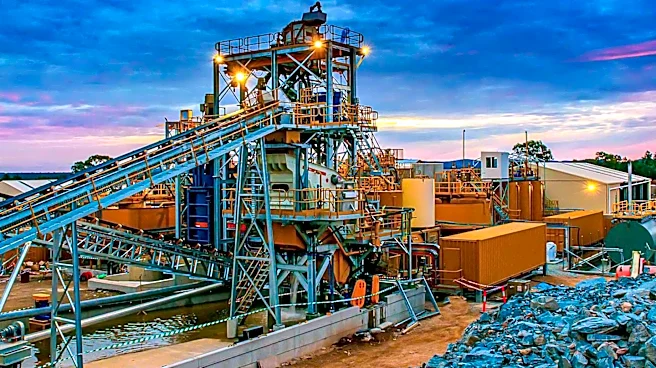
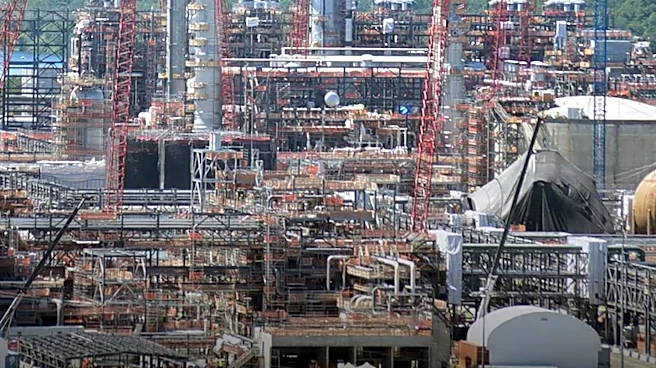
Hertha Metals, a U.S. high-purity iron producer, has commenced construction of its Chalyx plant in Texas, marking the nation's first commercial facility for magnet-grade high-purity iron. This plant is designed
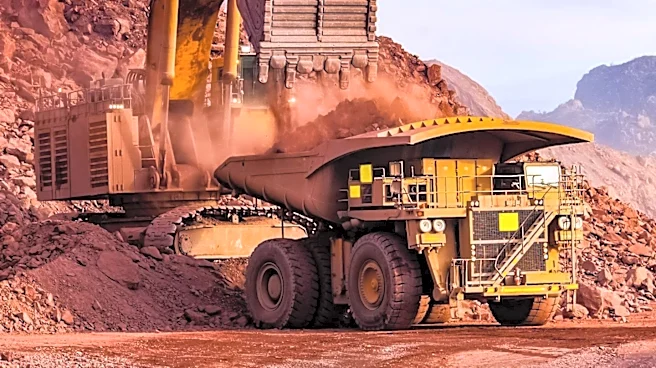
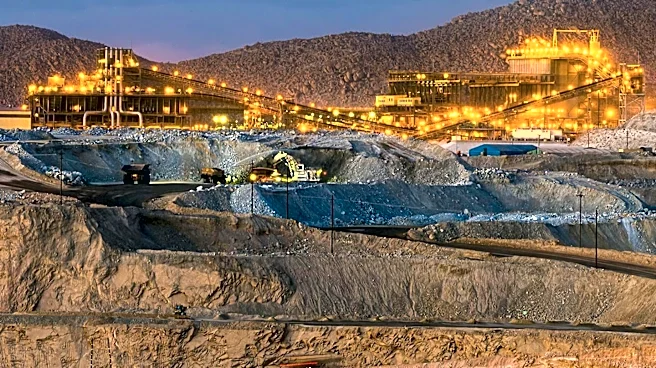
to produce 10,000 tons per year of high-purity iron, which is crucial for rare earth magnets and steel used by U.S. manufacturers. The company has already successfully produced initial quantities of high-purity iron at its adjacent Pi100 pilot plant. Hertha Metals employs a unique single-step process that heats iron ore and natural gas in a single furnace, allowing for controlled process chemistry to yield either liquid steel or high-purity iron. This innovative method can utilize any grade of iron ore, including lower-grade fines typically unsuitable for traditional blast furnaces and direct reduction plants. The process is also reported to reduce production costs by an average of 25% compared to blast furnaces, ensure safer operations, and achieve at least 50% lower emissions.
Why It's Important?
This initiative is critical for bolstering the U.S. domestic supply chain for essential materials, particularly high-purity iron. Currently, 94% of the world's high-purity iron is produced in China, creating a significant dependency for U.S. industries. High-purity iron is a key component, comprising 70% by weight, of neodymium iron boron magnets—the strongest commercially available permanent rare earth magnets. These magnets are vital for numerous strategic sectors, including electric vehicles, wind turbines, data centers, robotics, and defense systems. By establishing a domestic production facility, Hertha Metals aims to reduce this reliance on foreign sources, enhance national security, and support the growth of critical U.S. manufacturing industries. The plant's innovative, lower-emission production process also aligns with broader environmental goals, offering a more sustainable method for iron and steelmaking, which is a traditionally carbon-intensive industry.
What's Next?
The Chalyx plant, a $100 million investment, will source iron ore feedstock from Minnesota's Iron Range and natural gas from Texas producers. Commissioning of the plant is targeted for late 2027, with commercial production expected to begin in early 2028. The successful operation of Chalyx is intended to lay the groundwork for Hertha Metals' broader vision, which includes the construction of its first 500,000-ton-per-year steel mill. This expansion would further integrate the company's innovative technology into the U.S. steel industry, potentially transforming traditional manufacturing processes. The project's success could also encourage other companies to adopt similar advanced, environmentally friendly production methods, fostering innovation and competitiveness within the U.S. metals sector. Additionally, the increased domestic supply of high-purity iron could stimulate further investment and development in related industries, such as rare earth magnet manufacturing and electric vehicle production.
Beyond the Headlines
The establishment of the Chalyx plant represents a significant step towards re-shoring critical manufacturing capabilities and reducing geopolitical vulnerabilities associated with reliance on single-source foreign suppliers. Beyond its immediate economic impact, this project has profound implications for U.S. industrial policy and national security. It underscores a strategic shift towards domestic self-sufficiency in key materials essential for advanced technologies and defense. The innovative production process, with its lower emissions and ability to utilize lower-grade ores, could set new industry standards for sustainability and resource efficiency, influencing global mining and metallurgy practices. This could also lead to a re-evaluation of domestic mineral resources previously deemed uneconomical, unlocking new opportunities for resource extraction and processing within the U.S. The long-term success of such ventures could redefine the landscape of American heavy industry, fostering a new era of technological leadership and environmental responsibility.