



What's Happening?
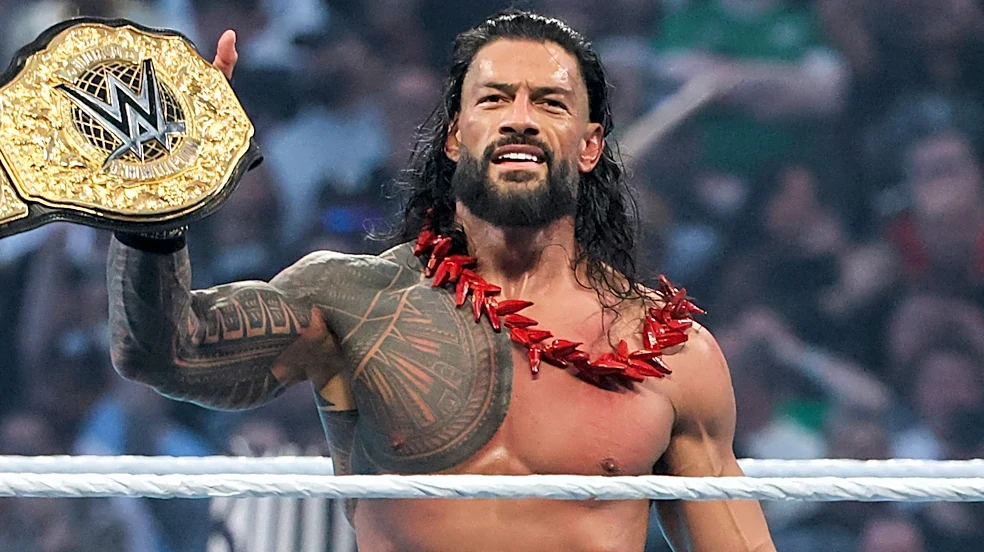
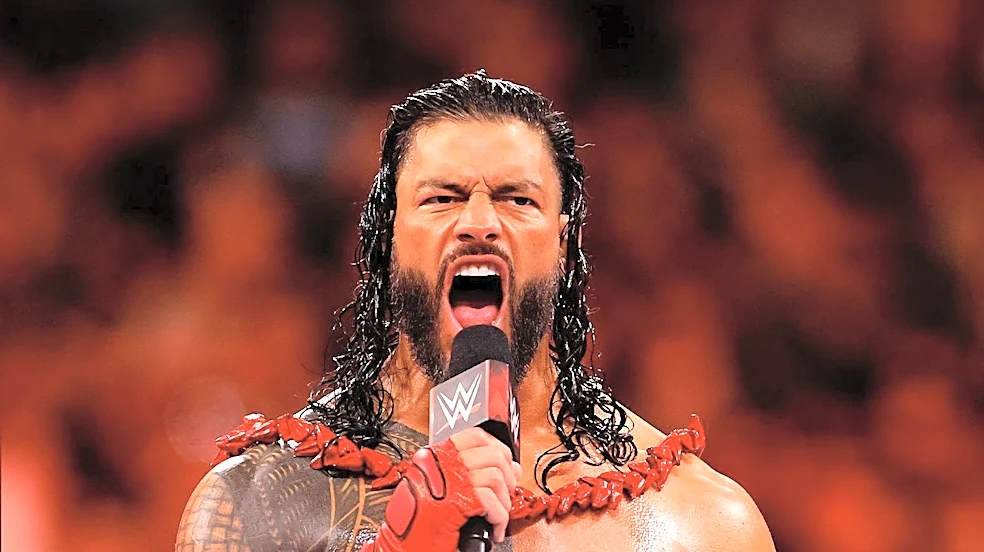
During an appearance on Shannon Sharpe's 'Club Shay Shay' podcast, WWE World Heavyweight Champion Roman Reigns revealed his 'Mount Rushmore' of professional wrestling. Reigns emphasized that his selections were based primarily on financial success and
their ability to change the wrestling business, rather than solely in-ring ability or drawing power. His chosen four were Hulk Hogan, 'Stone Cold' Steve Austin, The Rock, and John Cena. Reigns explained that these individuals were critical in transforming wrestling into a global product and expanding its audience. He highlighted Hogan's role in taking wrestling from a 'carnival to a global product' and praised The Rock's rapid rise to superstardom and subsequent success outside of WWE. Austin's immense popularity and merchandise sales were also noted as significant factors in his inclusion.
Why It's Important?
Roman Reigns' perspective on what constitutes a 'Mount Rushmore' in professional wrestling underscores a significant aspect of the entertainment industry: the paramount importance of financial impact and business transformation. His criteria highlight that while athletic prowess and fan engagement are crucial, the ultimate measure of influence often lies in a performer's ability to generate revenue and broaden the sport's appeal. This viewpoint could influence how current and aspiring wrestlers approach their careers, potentially shifting focus towards marketability and broader cultural impact alongside in-ring performance. For the WWE and the wider wrestling industry, this reinforces the value of crossover stars and those who can elevate the sport's mainstream presence, ensuring its continued growth and profitability.
What's Next?
The discussion initiated by Roman Reigns on 'Club Shay Shay' is likely to spark further debate among wrestling fans, pundits, and industry figures regarding the criteria for evaluating wrestling legends. This could lead to more conversations on the podcast and other wrestling media platforms, with different personalities offering their own 'Mount Rushmore' selections and justifications. Such discussions often generate increased engagement and viewership for wrestling-related content. For Reigns himself, articulating this business-oriented perspective could further solidify his image as a thoughtful and strategic figure within the WWE, potentially influencing future storylines or his role within the company as a leader and ambassador.
Beyond the Headlines
Reigns' emphasis on financial success and business transformation reflects a broader trend in modern entertainment where commercial viability often dictates legacy. This perspective moves beyond traditional metrics like championship reigns or technical skill, suggesting that true 'greatness' in professional wrestling, and perhaps other forms of entertainment, is intrinsically linked to economic influence and the ability to transcend the sport itself. It also subtly highlights the evolution of professional wrestling from a niche spectacle to a global entertainment powerhouse, largely driven by the mainstream appeal of figures like Hogan, Austin, The Rock, and Cena. This shift underscores the increasing commercialization of sports entertainment and the strategic importance of performers who can bridge the gap between athletic performance and mass market appeal.