






What's Happening?
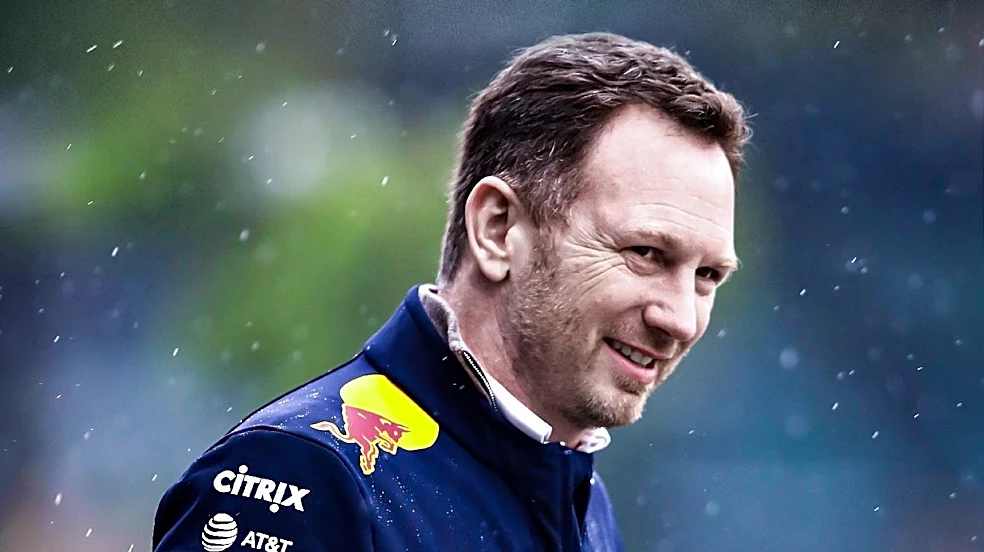
Christian Horner, Team Principal of Red Bull Racing, has disclosed that Red Bull provided financial assistance to Alex Albon for his transfer to Williams in 2022. This move occurred after Albon was demoted from the senior Red Bull team at the close of the 2020
season. Horner explained that Red Bull, possessing four seats across two teams, prioritizes placing its junior drivers elsewhere rather than simply releasing them. Albon's deal with Williams serves as a prime example of this commitment. Speaking on the High Performance podcast, Horner admitted that some drivers, including Albon and Pierre Gasly, were promoted to Red Bull Racing prematurely in their development, before they were adequately prepared for the demands of a top-tier team. He suggested that more time in lower categories, similar to George Russell's experience at Williams, would have better equipped them for the transition to Formula 1's elite level.
Why It's Important?
This revelation highlights the intricate financial and strategic considerations within Formula 1's driver development programs, particularly for teams like Red Bull with multiple affiliations. Red Bull's financial support for Albon's move to Williams demonstrates a commitment to nurturing talent even after a driver is no longer in their primary lineup. This approach can be seen as a long-term investment in driver careers, potentially fostering goodwill and maintaining a talent pool for future opportunities. It also sheds light on the pressures faced by young drivers promoted too quickly, underscoring the importance of proper development pathways. The financial backing ensures that promising drivers like Albon can continue their careers in F1, benefiting both the driver and potentially the sport by retaining skilled competitors. This strategy contrasts with simply dropping drivers, which could lead to a loss of talent from the sport.
What's Next?
The insights provided by Christian Horner may prompt further discussion within Formula 1 regarding the optimal development pathways for young drivers and the responsibilities of top teams towards their junior talent. Other teams might consider similar financial and strategic support for their own demoted or developing drivers to ensure their continued presence in the sport. This approach could lead to more stable career trajectories for young drivers and potentially a more competitive grid overall. The ongoing debate about the readiness of drivers for top-tier teams will likely continue, influencing future decisions on driver promotions and placements across the F1 grid. The financial arrangements for driver transfers could also become a more transparent aspect of team operations.
Beyond the Headlines
The financial support for Alex Albon's move to Williams underscores a deeper ethical consideration within motorsport: the balance between competitive demands and driver welfare. While Red Bull's primary goal is success, their decision to financially aid Albon's career continuation reflects a recognition of the significant investment made in these athletes and the potential long-term benefits of maintaining their presence in the sport. This practice could set a precedent for how major teams manage their talent pipeline, moving beyond a purely transactional relationship to one that considers the broader career development of their drivers. It also highlights the intense pressure and scrutiny young drivers face, and the potential for premature promotions to hinder, rather than help, their careers. The commitment to a driver's career, even when they are no longer directly competing for the parent team, suggests a more holistic approach to talent management in Formula 1.