



What's Happening?
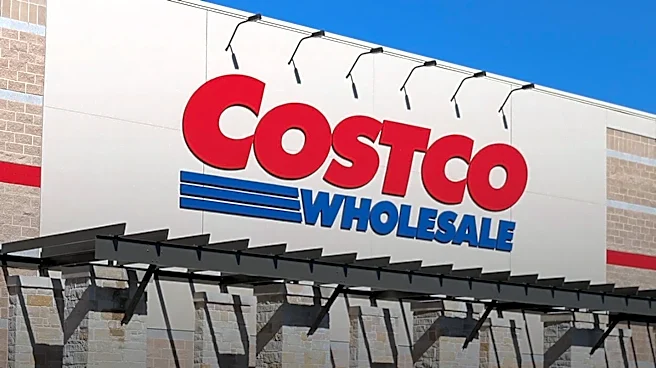
A recent analysis compared the cost of 15 common Costco items when purchased in-store versus through delivery services Instacart, Uber Eats, and DoorDash. The study found that all delivery apps charged more than in-store prices, with significant variations
among them. Uber Eats and DoorDash recently expanded their partnerships with Costco, with DoorDash now delivering from Costco stores nationwide and Uber Eats expanding to 47 states. Instacart has been delivering from Costco since 2017. The comparison revealed that Uber Eats marked up prices by approximately 12% and DoorDash by about 11% before fees and tips, while Instacart's prices were 24% higher. After accounting for taxes, fees, and a 5% tip, DoorDash was the cheapest delivery option due to a promotional $50 discount, making it only about 3% more expensive than in-store. Without the discount, DoorDash and Uber Eats were roughly 20% more expensive, and Instacart remained the most expensive, at about 32% higher than in-store prices.
Why It's Important?
The varying costs across different grocery delivery platforms for Costco products highlight a critical aspect of the evolving e-commerce landscape for bulk retailers. This disparity directly impacts consumer spending and purchasing decisions, particularly for those who rely on delivery services due to convenience, lack of transportation, or inability to carry heavy items. The expansion of partnerships between Costco and delivery services like Uber Eats and DoorDash signifies a strategic move to capture a broader, potentially younger, customer base that values on-demand services. While the convenience factor is high, the premium charged by these services, especially Instacart, could deter price-sensitive consumers. This trend also underscores the competitive dynamics within the grocery delivery market, where promotional discounts, like DoorDash's $50 offer, can significantly sway consumer choice and market share, even if temporarily. The long-term sustainability of these price differences and their impact on customer loyalty will be a key factor for both retailers and delivery platforms.
What's Next?
As the partnerships between Costco and delivery services mature, it is likely that pricing strategies will continue to evolve. Consumers can expect ongoing promotions and discounts from various platforms as they compete for market share. The current $50 discount from DoorDash is temporary, and its expiration will likely shift the cost landscape, potentially making Uber Eats and DoorDash more comparable in price without promotional offers. The expansion of alcohol delivery services, which Uber Eats plans to launch with Costco, could further diversify delivery options and attract more customers. Retailers and delivery companies will likely analyze customer behavior and profitability to refine their pricing models and service offerings. This could include tiered membership options, exclusive discounts for certain payment methods, or adjustments to markup percentages to balance convenience with affordability for consumers. The long-term trend suggests a continued integration of delivery services into the retail model, with an ongoing focus on optimizing the customer experience and managing operational costs.
Beyond the Headlines
The significant price discrepancies in grocery delivery services from a major retailer like Costco point to broader implications regarding consumer access, economic equity, and the future of retail. For urban dwellers or individuals without personal vehicles, delivery services are not merely a convenience but a necessity, potentially creating a 'convenience tax' that disproportionately affects certain demographics. The reliance on third-party delivery platforms also raises questions about data privacy, labor practices for delivery drivers, and the environmental impact of increased vehicle traffic. Furthermore, the competitive landscape among delivery apps could lead to consolidation or innovative business models that seek to reduce costs for consumers while maintaining profitability. This shift in consumer behavior, driven by the ease of online ordering, could also influence urban planning, store design, and the supply chain logistics of large retailers, pushing them to adapt to a hybrid model of in-store and online shopping experiences. The ethical considerations of pricing transparency and the true cost of convenience will remain central to discussions about the future of grocery retail.